

Testosterone Cypionate 250 mg/ml: Product Overview
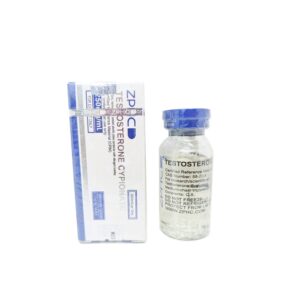
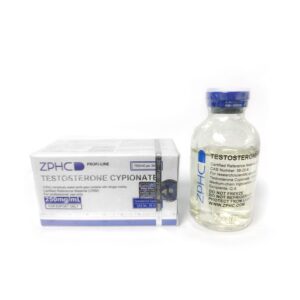
Testosterone Cypionate is a long-acting testosterone ester used in testosterone replacement therapy under appropriate medical supervision. The ZPHC-labeled product described here is presented as a 250 mg/ml, 10 ml formulation. Because testosterone cypionate is a prescription medication in the United States, consumers should verify the product’s authenticity, regulatory status, labeling, and dispensing requirements before considering its use.
For people researching ZPHC Testosterone Cypionate, understanding the active ingredient and its medical context is more important than simply comparing concentration or package size. Testosterone cypionate is designed to provide testosterone through an intramuscular route, with the ester affecting how the hormone is released and metabolized by the body.
What Is Testosterone Cypionate?
Testosterone cypionate is an esterified form of testosterone. Testosterone is an endogenous androgenic hormone involved in numerous physiological processes, including maintenance of muscle and bone, production of red blood cells, sexual development and function, and other androgen-dependent functions.
The cypionate ester modifies testosterone’s pharmacokinetic profile, allowing the medication to remain available over an extended period following administration. Treatment schedules are individualized by healthcare professionals according to the patient’s diagnosis, laboratory results, response, and risk factors.
ZPHC 250 mg/ml Formulation
The product specification provided for this listing is:
- Product: Testosterone Cypionate
- Brand/Label: ZPHC
- Concentration: 250 mg/ml
- Container: 10 ml
- Active ingredient: Testosterone cypionate
- Drug class: Androgen/anabolic steroid
- Administration: Typically administered by intramuscular injection when legitimately prescribed
Concentration alone does not determine whether a testosterone product is appropriate for an individual. Medical decisions should be based on an established diagnosis, clinical assessment, laboratory testing, and professional prescribing guidance.
Medical Uses of Testosterone Cypionate
In the United States, prescription testosterone products may be used for appropriate patients with documented testosterone deficiency associated with specific medical conditions. Testosterone therapy is not intended as a general-purpose performance-enhancement product.
A healthcare professional may evaluate symptoms together with laboratory measurements before determining whether testosterone replacement is appropriate. Follow-up testing can be important because testosterone therapy can affect multiple physiological systems.
Patients should never assume that symptoms such as fatigue, reduced strength, or changes in body composition automatically indicate testosterone deficiency. These symptoms can have numerous causes and require appropriate medical evaluation.
Important Safety Considerations
Testosterone cypionate can produce significant effects throughout the body. A powerful medication requires responsible medical oversight, particularly when used for an extended period.
Potential adverse effects associated with testosterone therapy may include acne, changes in mood, increased red blood cell production, fluid retention, changes in cholesterol levels, reduced sperm production, gynecomastia, and changes in prostate-related markers.
Testosterone can also suppress the body’s natural production of testosterone and sperm. Individuals concerned about fertility should discuss this issue with a qualified healthcare professional before beginning treatment.
Patients should disclose relevant medical history and medications to their healthcare provider. Monitoring requirements vary according to age, medical history, treatment objectives, and individual risk factors.
Testosterone Cypionate and Laboratory Monitoring
Medical supervision commonly involves periodic assessment of treatment response and safety. Depending on the clinical situation, healthcare professionals may monitor testosterone concentrations, blood counts, prostate-related parameters, lipid measurements, liver-related indicators, and other relevant laboratory values.
The objective of monitoring is to help ensure that treatment remains medically appropriate while identifying potential adverse effects. Patients should follow the testing schedule established by their healthcare professional rather than adjusting testosterone administration independently.
Why Product Authenticity Matters
When researching ZPHC Testosterone Cypionate, authenticity and product provenance are important considerations. Products obtained through unauthorized channels may have uncertain ingredients, concentration, sterility, storage conditions, or manufacturing quality.
For injectable medications, contamination or incorrect handling can create serious health risks. Packaging and labeling alone should not be treated as definitive proof that a product is genuine or suitable for human use.
Consumers should obtain prescription testosterone through appropriately licensed healthcare and pharmacy channels and follow applicable U.S. requirements.
Storage and Handling
Storage requirements depend on the specific manufacturer’s labeling. The original product packaging should be consulted for temperature, light, and handling instructions.
Injectable medication should be protected from contamination. Users should never share injection equipment, and injection technique should be learned from an appropriate healthcare professional.
If a product appears damaged, contaminated, improperly sealed, or inconsistent with its labeling, it should not be used until its status has been professionally verified.
Testosterone Cypionate for Responsible Research
Searches for terms such as ZPHC, ZPHC Testosterone Cypionate, Testosterone Cypionate 250 mg/ml, and Testosterone Cypionate 10 ml often reflect interest in product specifications and testosterone therapy. However, responsible research should also consider regulatory status, medical indications, potential adverse effects, laboratory monitoring, and product authenticity.
A product’s concentration or advertised formulation does not establish its safety or suitability for a particular individual. Testosterone therapy should be approached as a medical treatment rather than as an ordinary nutritional or fitness supplement.
Frequently Asked Questions
What is ZPHC Testosterone Cypionate 250 mg/ml?
The supplied product specification identifies it as a testosterone cypionate formulation labeled at 250 mg/ml in a 10 ml container. Its authenticity and regulatory status should be independently verified before any medical consideration.
Is Testosterone Cypionate a prescription medication?
In the United States, testosterone is a controlled prescription medication. Appropriate use requires evaluation and prescribing by a qualified healthcare professional.
What does 250 mg/ml mean?
The expression 250 mg/ml describes the stated concentration: 250 milligrams of testosterone cypionate per milliliter of the formulation. It should not be interpreted as an individualized dosage recommendation.
Can Testosterone Cypionate be used for bodybuilding?
Testosterone cypionate has legitimate medical applications, but using prescription testosterone without medical supervision for bodybuilding or performance enhancement carries health and legal risks. It should not be treated as an ordinary sports supplement.
Where should patients obtain testosterone?
Patients should discuss testosterone treatment with a licensed healthcare professional and obtain prescribed medication through legitimate, appropriately regulated pharmacy channels.
Final Considerations
ZPHC Testosterone Cypionate 250 mg/ml (10 ml) is a product specification involving a potent androgenic medication rather than a conventional supplement. Anyone researching this formulation should prioritize accurate labeling, legitimate medical indications, professional supervision, appropriate laboratory monitoring, and product authenticity.
For U.S. consumers, the safest approach is to discuss testosterone-related symptoms and treatment options with a qualified healthcare professional. A clinician can determine whether testosterone deficiency is present, whether treatment is appropriate, and what monitoring is necessary throughout therapy.
Be the first to review “Testosterone Cypionate ZPHC — 250 mg/ml (10 ml)”
Related products
Injectable steroids
Injectable steroids
Testosterone Propionate ZPHC — 100 mg/ml (10 ampoules × 2 ml)
Injectable steroids
Injectable steroids
Injectable steroids
Injectable steroids
Injectable steroids
Injectable steroids
Reviews
There are no reviews yet.