

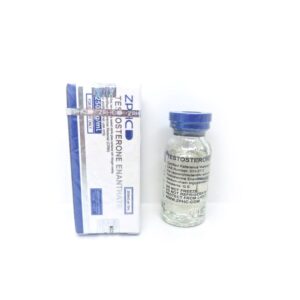
Testosterone Enanthate ZPHC — 250 mg/ml (10 ml)
Testosterone Enanthate ZPHC is an injectable formulation identified as containing testosterone enanthate at a stated concentration of 250 mg/ml in a 10 ml presentation. Testosterone enanthate is a long-acting ester of testosterone that is used medically as testosterone replacement therapy when clinically appropriate and prescribed by a qualified healthcare professional.
For readers researching ZPHC, testosterone enanthate, injectable testosterone, or 250 mg/ml testosterone formulations in the United States, understanding the product, its active ingredient, and its potential risks is essential. Product labeling, authenticity, sterility, storage requirements, and legal status should always be verified before any prescription medication is considered.
What Is Testosterone Enanthate?
Testosterone enanthate is a testosterone ester designed to provide a comparatively prolonged release of testosterone following intramuscular administration. Testosterone is the principal male sex hormone and plays important roles in reproductive function, muscle and bone development, red-blood-cell production, libido, and other physiological processes.
The enanthate ester modifies how testosterone is released and metabolized after administration. Because testosterone enanthate is a prescription medicine, its use should be based on an appropriate medical evaluation rather than solely on fitness, bodybuilding, or performance objectives.
The stated 250 mg/ml concentration describes the amount of testosterone enanthate preparation per milliliter; it should not automatically be interpreted as an appropriate individual dose. Dosing and administration schedules depend on the medical indication, laboratory results, age, clinical history, and the prescribing professional’s assessment.
ZPHC Testosterone Enanthate 250 mg/ml
The name ZPHC may be used to identify the manufacturer or product branding associated with a particular testosterone enanthate presentation. Consumers researching ZPHC should distinguish between product branding and verified pharmaceutical status.
A responsible product evaluation should consider:
- Active ingredient and stated concentration
- Container size and labeling
- Lot or batch information
- Expiration information
- Manufacturer information
- Packaging integrity
- Sterility and manufacturing standards
- Applicable regulatory status
- Authenticity and legitimate distribution
These considerations are especially important for injectable products because contamination, incorrect concentration, counterfeit packaging, or poor manufacturing practices can create significant health risks.
Testosterone Enanthate: How It Works
Testosterone acts primarily through androgen receptors throughout the body. After administration, testosterone contributes to physiological processes involving muscle tissue, bone, reproductive organs, and the central nervous system.
In people with medically confirmed testosterone deficiency, appropriately prescribed testosterone therapy may help restore testosterone concentrations toward a clinically appropriate range. Treatment is normally accompanied by medical monitoring because testosterone can affect several physiological systems.
Testosterone therapy is not automatically appropriate for people seeking increased muscle mass, athletic performance, or physique changes. Using testosterone without medical supervision can expose an individual to unnecessary risks and may interfere with normal hormone production.
Potential Medical Uses
Prescription testosterone therapy can be used for specific forms of testosterone deficiency when a healthcare professional determines that treatment is appropriate. Diagnosis generally involves clinical assessment and laboratory testing rather than relying on symptoms alone.
Depending on the individual and the underlying condition, medically supervised testosterone treatment may address symptoms associated with confirmed testosterone deficiency.
However, testosterone should not be viewed as a general-purpose wellness product. People considering treatment should discuss the potential benefits, alternatives, contraindications, and monitoring requirements with a qualified healthcare professional.
Important Safety Information
Testosterone enanthate can produce significant physiological effects. Potential adverse effects may include acne, oily skin, changes in mood, increased red-blood-cell production, changes in cholesterol levels, fluid retention, gynecomastia, and suppression of natural testosterone production.
Testosterone can also reduce sperm production and fertility while treatment is ongoing. Individuals who are planning to have children should discuss fertility considerations with a healthcare professional before starting therapy.
Other risks may be relevant depending on an individual’s age, cardiovascular history, prostate health, blood pressure, hematological status, and other medications.
Seek professional medical advice regarding appropriate baseline and follow-up monitoring. Depending on the clinical situation, monitoring may include testosterone levels, hematocrit, blood pressure, lipid measurements, and prostate-related assessments.
Why Product Verification Matters
A particularly important concern with injectable testosterone obtained outside regulated pharmaceutical channels is uncertainty about authenticity and manufacturing quality.
A product may appear professionally packaged while still having an uncertain origin. Online product photographs, branding, reviews, and marketing claims do not by themselves establish pharmaceutical authenticity, sterility, potency, or regulatory compliance.
For this reason, consumers in the United States should obtain prescription testosterone through a licensed healthcare professional and a legitimate, regulated pharmacy or dispensing channel.
Do not rely on an online seller’s claim that a product is an “official” or “authentic” source without independent verification.
Storage and Handling
Storage requirements depend on the specific formulation and manufacturer’s approved labeling. The original product documentation should be consulted for exact storage conditions.
Keep injectable medication in its original container and protect it from conditions that could compromise product integrity. Do not use a vial if its packaging is damaged, the labeling is inconsistent, or the solution shows unexpected changes in appearance.
Because injectable medications must be sterile, appropriate medical handling is essential. Needles, syringes, and other injection equipment should never be shared.
Testosterone Enanthate and Responsible Decision-Making
Searches for phrases such as “ZPHC testosterone enanthate,” “testosterone enanthate 250 mg/ml,” and “testosterone injection” can return products from many different sources. Search results alone should not be interpreted as evidence that a product is medically appropriate, legally distributed, authentic, or safe.
A more reliable approach is to start with a healthcare professional who can determine whether symptoms are consistent with testosterone deficiency and whether laboratory testing is appropriate. If treatment is indicated, the prescriber can select an appropriate formulation and establish a monitoring plan.
This approach is especially important because testosterone changes the body’s endocrine system. Unsupervised use can produce consequences that are not immediately obvious.
Frequently Asked Questions
What is ZPHC Testosterone Enanthate 250 mg/ml?
It is a product identified as testosterone enanthate with a stated concentration of 250 mg/ml and a 10 ml presentation. The authenticity and regulatory status of any particular product should be independently verified.
Is testosterone enanthate a prescription medication?
In the United States, testosterone products are prescription medicines. They should be used under appropriate medical supervision.
Does 250 mg/ml mean that everyone should use 250 mg?
No. Concentration and dosage are different concepts. The appropriate dose depends on the individual’s medical circumstances and the prescribing clinician’s instructions.
Can testosterone enanthate affect fertility?
Yes. Exogenous testosterone can suppress the body’s natural reproductive hormone signaling and reduce sperm production. Fertility considerations should therefore be discussed with a healthcare professional.
Is testosterone enanthate appropriate for bodybuilding?
Medical testosterone therapy and non-medical performance-enhancing use are different contexts. Using prescription testosterone for physique or performance purposes without medical supervision can involve substantial health and legal risks.
Final Considerations
Testosterone Enanthate ZPHC — 250 mg/ml (10 ml) represents a testosterone-enanthate formulation identified by its stated concentration and presentation. For anyone researching ZPHC or testosterone enanthate in the USA, the most important considerations are accurate identification, legitimate sourcing, regulatory status, medical appropriateness, and patient safety.
The strongest decision is an informed one: verify the medication through legitimate healthcare and pharmacy channels, understand the potential adverse effects, and follow professional prescribing and monitoring instructions. Do not use testosterone obtained from an uncertain source or change a prescribed regimen without medical guidance.
Be the first to review “Testosterone Enanthate ZPHC — 250 mg/ml (10 ml)”
Related products
Injectable steroids
Injectable steroids
Injectable steroids
Injectable steroids
Injectable steroids
Injectable steroids
Injectable steroids
Injectable steroids
Reviews
There are no reviews yet.