

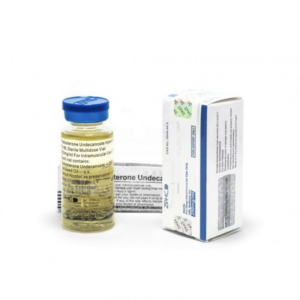

Testosterone Undecanoate ZPHC — 250 mg/ml (10 ml)
Testosterone undecanoate is a long-acting testosterone ester designed to release testosterone gradually after administration. Testosterone Undecanoate ZPHC — 250 mg/ml (10 ml) identifies a specific concentration and vial size associated with the ZPHC product line. Because testosterone is a prescription hormone with significant physiological effects, information about this product should be considered educational rather than a recommendation for unsupervised use.
Testosterone plays an important role in numerous biological processes, including maintenance of muscle and bone, production of red blood cells, sexual development and function, and overall reproductive physiology. Testosterone undecanoate differs from shorter-acting testosterone esters because its chemical structure is intended to provide a prolonged release following administration.
For people researching ZPHC, testosterone undecanoate, testosterone replacement therapy, or long-acting testosterone formulations, understanding the active ingredient, concentration, potential benefits, and safety considerations is essential before making any healthcare decision.
What Is Testosterone Undecanoate?
Testosterone undecanoate is an esterified form of testosterone. Esterification changes how testosterone is released and metabolized, allowing the hormone to remain available over a longer period compared with unesterified testosterone.
Once testosterone undecanoate is administered, the ester is gradually metabolized, releasing testosterone into circulation. The resulting testosterone participates in normal androgen signaling throughout the body.
The 250 mg/ml specification refers to the stated concentration of testosterone undecanoate in the formulation, while 10 ml describes the nominal liquid volume of the vial. These specifications should always be checked against the manufacturer’s labeling and applicable regulatory information.
Understanding the ZPHC Product Specification
When evaluating a product identified as ZPHC Testosterone Undecanoate — 250 mg/ml (10 ml), several labeling details deserve careful attention:
- Active ingredient: Testosterone undecanoate
- Stated concentration: 250 mg/ml
- Container volume: 10 ml
- Product category: Testosterone/androgen formulation
- Administration: Depends on the specific formulation and authorized medical instructions
- Regulatory status: Should be verified for the applicable country and intended use
Concentration alone does not establish that a product is appropriate for an individual. Testosterone therapy requires consideration of medical history, laboratory testing, symptoms, age, existing conditions, and other medications.
Potential Medical Uses of Testosterone
Prescription testosterone therapy may be used in appropriately diagnosed patients with certain forms of testosterone deficiency. Treatment decisions generally involve clinical assessment and laboratory evaluation rather than relying solely on symptoms.
When medically appropriate, testosterone replacement may help address manifestations associated with confirmed androgen deficiency. Depending on the individual and underlying cause, treatment can influence aspects of androgen-dependent physiology such as muscle mass, bone health, libido, and red blood cell production.
However, testosterone is not simply a general-purpose performance enhancer. Using androgenic hormones without appropriate medical supervision can expose a person to potentially serious complications.
Testosterone Undecanoate and Long-Acting Formulations
One notable characteristic of testosterone undecanoate is its relatively long-acting behavior. Compared with some shorter-duration testosterone esters, long-acting formulations can provide a different pharmacokinetic profile.
This distinction can matter in legitimate testosterone replacement therapy because healthcare professionals may consider duration of action, treatment goals, laboratory results, tolerability, and patient preferences when selecting a formulation.
The actual pharmacokinetic behavior depends on the complete formulation, route of administration, dosage, and individual patient characteristics. Product descriptions should therefore not be interpreted as individualized dosing instructions.
Important Safety Considerations
Testosterone can produce substantial systemic effects. Potential adverse effects can include acne, oily skin, changes in mood, increased hematocrit, fluid retention, changes in cholesterol levels, suppression of natural testosterone production, and alterations in fertility.
Testosterone treatment may also affect the cardiovascular system and prostate. Appropriate medical monitoring can include blood pressure assessment, blood counts, testosterone measurements, and other laboratory or clinical evaluations determined by a qualified healthcare professional.
People considering testosterone therapy should discuss relevant medical history with a healthcare provider, particularly if they have cardiovascular, prostate, liver, kidney, or reproductive concerns.
Testosterone and Fertility
An especially important consideration is reproductive function. Exogenous testosterone can suppress the body’s natural production of testosterone and sperm.
For someone who is trying to conceive, testosterone therapy may therefore have significant implications. Fertility goals should be discussed with a qualified clinician before beginning androgen treatment.
This is one reason why self-directed testosterone use can be problematic even when the product concentration and labeling appear straightforward.
Why Product Authentication Matters
When researching ZPHC or any testosterone product, authentication and product quality are important considerations. Hormonal products can have meaningful consequences when their identity, concentration, sterility, or manufacturing conditions are uncertain.
Consumers should distinguish between marketing claims and independently verifiable information. Packaging, lot information, expiration dates, ingredient information, and applicable regulatory documentation should be evaluated where available.
A product appearing online does not by itself establish regulatory approval, authenticity, sterility, or suitability for human administration.
Responsible Research Before Treatment
A responsible approach to testosterone information begins with identifying the purpose of treatment. Individuals with symptoms potentially associated with low testosterone should obtain appropriate medical evaluation rather than selecting a hormone product based solely on online descriptions.
Healthcare professionals may consider:
- Symptoms and medical history
- Repeated testosterone measurements when appropriate
- Relevant hormone testing
- Complete blood count and hematocrit
- Cardiovascular risk factors
- Prostate considerations where applicable
- Fertility plans
- Current medications and supplements
- Potential contraindications and interactions
This process helps distinguish medically indicated testosterone therapy from unsupervised androgen use.
ZPHC Testosterone Undecanoate: Key Information
For searchers looking for ZPHC Testosterone Undecanoate 250 mg/ml 10 ml, the most important distinction is between understanding the product and deciding whether to use it.
The product name communicates three core specifications: the testosterone ester is undecanoate, the stated concentration is 250 mg per milliliter, and the stated vial volume is 10 ml. Those details can help researchers compare product labeling, but they should not be used as a substitute for professional medical guidance.
The strongest approach to testosterone-related decisions is evidence-based and safety-focused. Rather than relying on claims about rapid results or guaranteed outcomes, consumers should prioritize accurate labeling, legitimate medical oversight, appropriate testing, and awareness of potential adverse effects.
Final Thoughts
Testosterone Undecanoate ZPHC — 250 mg/ml (10 ml) represents a long-acting testosterone formulation identified by its active ester, concentration, and vial size. Testosterone itself is a powerful hormone that affects multiple physiological systems, making responsible evaluation particularly important.
For individuals researching ZPHC, testosterone undecanoate, or testosterone replacement therapy in the United States, product information should be considered alongside current medical guidance and applicable regulatory requirements. The potential therapeutic benefits of testosterone can be meaningful for appropriately diagnosed patients, but unsupervised use can carry significant risks.
Before using any testosterone-containing product, verify its labeling and legal status and consult a qualified healthcare professional about whether testosterone therapy is medically appropriate. Do not use online product marketing as a substitute for diagnosis, laboratory testing, prescribing guidance, or ongoing monitoring.
Be the first to review “Testosterone Undecanoate ZPHC — 250 mg/ml (10 ml)”
Related products

Injectable steroids
Testosterone Undecanoate ZPHC — 250 mg/ml (10 ampoules × 2 ml)
Injectable steroids
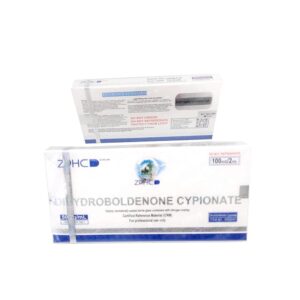
Dihydroboldenone Cypionate ZPHC — 50 mg/ml (10 ampoules × 2 ml)
Injectable steroids
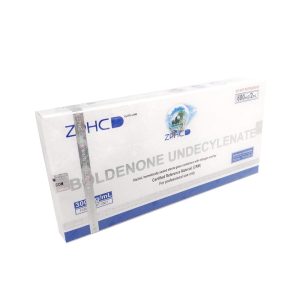
Boldenone Undecylenate ZPHC — 300 mg/ml (10 ampoules × 2 ml)
Injectable steroids
Injectable steroids

Injectable steroids
Injectable steroids
Injectable steroids
Reviews
There are no reviews yet.