

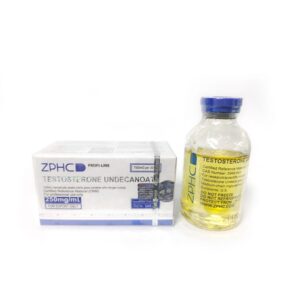
Testosterone Undecanoate ZPHC — 250 mg/ml (30 ml)
Testosterone undecanoate is a long-acting testosterone ester that belongs to the androgen class of hormone medicines. ZPHC Testosterone Undecanoate — 250 mg/ml (30 ml) describes a product presentation containing testosterone undecanoate at a concentration of 250 mg per milliliter. Because testosterone therapy can produce significant physiological effects, information about formulation, medical indications, contraindications, monitoring, and safe administration is essential.
In the United States, testosterone replacement therapy is intended for appropriately diagnosed men with testosterone deficiency associated with an underlying medical condition. The FDA states that approved testosterone products are indicated for men with low testosterone levels accompanied by an associated medical condition, rather than simply for low testosterone without an established cause.
What Is Testosterone Undecanoate?
Testosterone undecanoate is an esterified form of testosterone. The undecanoate ester modifies the pharmacokinetic behavior of testosterone, allowing the active hormone to be administered in formulations designed for longer-lasting exposure.
Testosterone itself is an essential androgen involved in numerous biological processes, including development and maintenance of male reproductive tissues, bone and muscle physiology, red blood cell production, and other androgen-dependent functions.
The FDA’s substance database identifies testosterone undecanoate as a recognized testosterone derivative and lists several pharmaceutical names associated with the substance.
The ZPHC 250 mg/ml designation describes the concentration stated for this particular product. A 30 ml presentation represents the stated container volume; concentration and container volume should not be confused with an appropriate patient dose.
Understanding the 250 mg/ml Strength
A concentration of 250 mg/ml means that each milliliter contains 250 mg of testosterone undecanoate, assuming the product is accurately manufactured and labeled as stated.
This specification is useful when evaluating a product’s formulation, but it does not determine how much testosterone an individual should receive. Testosterone therapy must be individualized by a qualified healthcare professional according to the patient’s diagnosis, laboratory results, treatment goals, medical history, and the specific formulation being prescribed.
For example, the FDA-approved testosterone undecanoate injection AVEED is supplied as 750 mg/3 ml, equivalent to 250 mg/ml. Its prescribing information specifies intramuscular administration and includes detailed requirements for administration and observation.
Consequently, consumers should not assume that products sharing the same concentration are interchangeable or have identical formulation, manufacturing standards, sterility, excipients, regulatory status, or clinical instructions.
Medical Context for Testosterone Therapy
Testosterone replacement therapy may be considered when a qualified clinician confirms testosterone deficiency and an appropriate underlying diagnosis. FDA information explains that testosterone products are approved for men with low testosterone associated with certain medical conditions, including conditions affecting testicular testosterone production or the hypothalamic-pituitary system.
Diagnosis generally involves laboratory evaluation rather than relying exclusively on symptoms. The prescribing information for FDA-approved testosterone undecanoate injection instructs clinicians to confirm hypogonadism through appropriate testosterone measurements before initiating treatment.
Symptoms potentially associated with testosterone deficiency can overlap with numerous other health conditions. Fatigue, changes in sexual function, reduced energy, mood changes, and alterations in body composition should therefore be evaluated medically rather than automatically attributed to low testosterone.
Potential Benefits and Treatment Considerations
When medically appropriate, testosterone replacement can help restore testosterone concentrations toward an appropriate physiological range in patients with confirmed testosterone deficiency. Depending on the individual and underlying condition, treatment may be associated with improvements in certain symptoms related to androgen deficiency.
However, testosterone is a prescription hormone rather than a general-purpose wellness supplement. Its effects can extend across multiple organ systems, making medical supervision an important component of responsible treatment.
The positive aspect of appropriately managed testosterone therapy is its potential to address clinically significant androgen deficiency. The negative aspect is that inappropriate use, excessive exposure, or unsupervised administration can introduce substantial risks.
For that reason, product descriptions should never imply that testosterone undecanoate is appropriate for bodybuilding, athletic enhancement, anti-aging purposes, or self-directed hormone manipulation.
Safety Information
Testosterone undecanoate requires careful consideration of safety information. The current FDA prescribing information for AVEED contains a boxed warning concerning serious pulmonary oil microembolism reactions and anaphylaxis. These reactions can occur during or immediately after administration. The prescribing information requires observation in a healthcare setting following administration.
Other important safety considerations include venous thromboembolism, increases in blood pressure, effects on prostate-related conditions, changes in blood parameters, edema, sleep apnea, and potential effects on sperm production. Periodic monitoring may include prostate-specific antigen, hemoglobin, hematocrit, lipids, and blood pressure depending on the clinical situation.
Testosterone administration may also suppress endogenous sperm production and can result in azoospermia in some patients. This makes fertility considerations particularly important for individuals considering testosterone therapy.
Commonly reported adverse reactions in the FDA-approved testosterone undecanoate injection labeling include acne, injection-site pain, increased PSA, increased estradiol, fatigue, irritability, increased hemoglobin, insomnia, and mood changes.
Why Medical Supervision Matters
A responsible approach to testosterone therapy begins with appropriate diagnosis and continues with regular monitoring. Blood testing can help clinicians determine whether treatment is appropriate and whether adjustments are necessary.
Patients should disclose other medicines and medical conditions to their healthcare provider. The FDA labeling notes potential interactions involving insulin requirements, anticoagulants such as warfarin, and corticosteroids.
Testosterone therapy should also be discussed carefully in individuals with relevant prostate conditions, cardiovascular considerations, blood-pressure concerns, or fertility goals.
ZPHC Testosterone Undecanoate Product Information
For consumers researching ZPHC Testosterone Undecanoate 250 mg/ml, important product information to verify includes:
- Active ingredient: testosterone undecanoate
- Stated concentration: 250 mg/ml
- Stated container volume: 30 ml
- Administration route: verify the product’s authorized labeling
- Intended use: verify the manufacturer’s and regulator’s labeling
- Manufacturing and quality documentation: verify independently
- Prescription status: follow applicable U.S. requirements
- Storage requirements: follow the product’s official labeling
- Sterility information: verify before any medical use
A product’s label or website description should not substitute for an FDA-approved prescribing information document or advice from a qualified healthcare professional.
Responsible Product Research in the USA
People searching online for ZPHC Testosterone Undecanoate, testosterone undecanoate 250 mg/ml, testosterone replacement therapy, or long-acting testosterone formulations should distinguish between general product information and an authorized prescription medicine.
In particular, consumers should verify whether a specific testosterone product is FDA-approved for the intended use, whether it requires a prescription, and whether the supplier is appropriately authorized. FDA approval of one testosterone undecanoate product does not establish approval, safety, or manufacturing quality for every product using the same active ingredient or concentration.
The FDA also maintains current information about testosterone therapy and has updated testosterone-related safety information following review of newer evidence.
Final Thoughts on ZPHC Testosterone Undecanoate
ZPHC Testosterone Undecanoate — 250 mg/ml (30 ml) can be described in technical terms as a testosterone undecanoate formulation with a stated concentration of 250 mg/ml and a stated 30 ml container size. For anyone researching this product category, understanding the active ingredient, concentration, intended medical context, potential risks, and monitoring requirements is more important than relying solely on marketing claims.
Testosterone therapy can be valuable when prescribed for an appropriate medical indication and monitored properly. At the same time, unsupervised use can carry meaningful risks. The strongest approach to testosterone-related health decisions is therefore evidence-based evaluation, appropriate laboratory testing, and professional medical supervision.
This information is educational and does not establish that a particular ZPHC product is FDA-approved, nor does it provide individualized dosing or treatment instructions. Always verify the current regulatory status, labeling, and authenticity of any prescription testosterone product through appropriate U.S. healthcare and regulatory channels.
Be the first to review “Testosterone Undecanoate ZPHC — 250 mg/ml (30 ml)”
Related products
Injectable steroids
Injectable steroids
Injectable steroids

Injectable steroids
Injectable steroids

Injectable steroids
Testosterone Undecanoate ZPHC — 250 mg/ml (10 ampoules × 2 ml)
Injectable steroids

Injectable steroids
Reviews
There are no reviews yet.