

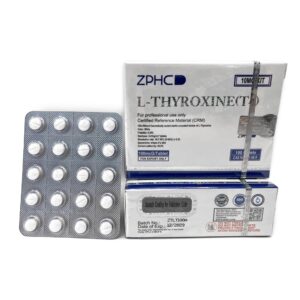
Product Overview
L-Thyroxine (T4) ZPHC — 0.1 mg × 100 tablets refers to a tablet formulation containing 100 micrograms (0.1 mg) of L-thyroxine, also known as levothyroxine or synthetic thyroxine. L-thyroxine is a thyroid hormone replacement medicine used when the body does not produce sufficient thyroid hormone.
Thyroxine, commonly called T4, is the principal hormone produced by the thyroid gland. Thyroid hormones have important effects throughout the body, including regulating energy use, heart rate, digestion, temperature regulation, and other metabolic processes.
For people with diagnosed hypothyroidism, appropriately prescribed levothyroxine can replace the hormone that the thyroid is unable to produce adequately. The appropriate dose is individualized and generally determined through medical evaluation and laboratory testing rather than by tablet strength alone.
What Is L-Thyroxine (T4)?
L-thyroxine is a synthetic form of thyroxine that is chemically equivalent to the T4 hormone produced naturally by the thyroid gland. It belongs to the thyroid hormone class of medicines and is primarily used as replacement therapy for hypothyroidism.
The 0.1 mg strength equals 100 mcg of levothyroxine. The stated package presentation contains 100 tablets, although the authenticity, manufacturing status, regulatory status, and quality of a particular ZPHC-branded product should be independently verified before use.
Levothyroxine treatment is generally intended to restore thyroid hormone levels toward an appropriate range and control symptoms associated with inadequate thyroid hormone production. It does not function as a general-purpose energy enhancer or weight-loss medication.
L-Thyroxine and Hypothyroidism
Hypothyroidism occurs when the thyroid gland does not produce enough thyroid hormone. Symptoms can include fatigue, increased sensitivity to cold, constipation, dry skin, hair changes, weight changes, muscle or joint discomfort, and reduced energy.
Levothyroxine provides thyroid hormone replacement for patients who require it. Because thyroid hormone requirements differ substantially between individuals, healthcare professionals commonly use thyroid-function testing to determine whether the prescribed amount is appropriate.
TSH testing is an important part of monitoring thyroid replacement therapy. Healthcare providers may also evaluate T4 levels and clinical symptoms when determining whether treatment needs adjustment.
0.1 mg / 100 mcg Tablet Strength
A 0.1 mg L-thyroxine tablet contains 100 micrograms of the active thyroid hormone. The strength should not be interpreted as an appropriate dose for every patient.
Factors that can influence thyroid hormone requirements include the individual’s medical condition, age, body characteristics, cardiovascular health, other medicines, pregnancy status, and laboratory results. MedlinePlus notes that physicians may begin treatment at a lower dose and adjust it according to the patient’s response.
This makes professional supervision particularly important when starting treatment, changing products, or adjusting thyroid hormone dosage.
How Levothyroxine Is Commonly Taken
Prescription levothyroxine is commonly taken once daily, and patients are generally instructed to take it consistently according to their prescription. MedlinePlus states that levothyroxine is usually taken on an empty stomach approximately 30 minutes to 1 hour before breakfast.
Absorption can be affected by other medicines, supplements, foods, and gastrointestinal factors. For example, calcium and iron supplements may interfere with levothyroxine absorption and are generally separated from it by several hours according to healthcare-provider instructions.
Consistency matters. Patients should not independently increase, decrease, discontinue, or change thyroid hormone treatment simply because symptoms improve or change.
Important Safety Information
Although levothyroxine can provide essential hormone replacement for people with hypothyroidism, taking an inappropriate amount can produce excessive thyroid hormone activity.
Potential signs of excessive thyroid hormone exposure can include:
- Rapid or irregular heartbeat
- Palpitations
- Tremors or shaking
- Nervousness or anxiety
- Difficulty sleeping
- Excessive sweating
- Shortness of breath
- Unexplained weight changes
- Heat intolerance
More serious reactions can occur with excessive doses.
The FDA prescribing information specifically states that levothyroxine should not be used for treating obesity or for weight loss. Doses above an individual’s physiological requirements can cause serious or potentially life-threatening toxicity.
This warning is particularly important for anyone searching for terms such as “T4 for fat loss,” “thyroid hormone for cutting,” or similar performance-related uses. Thyroid hormone should only be used when medically indicated and under appropriate professional supervision.
Monitoring and Laboratory Testing
Thyroid hormone replacement is normally monitored through laboratory testing and clinical assessment. TSH testing can help determine whether thyroid hormone replacement is providing an appropriate level of hormone exposure.
After starting or changing levothyroxine therapy, healthcare professionals may schedule follow-up testing and adjust treatment when appropriate. Once treatment is stable, continued periodic monitoring remains important.
Patients should tell their healthcare professional about other prescription medicines, over-the-counter products, vitamins, minerals, and supplements because interactions can affect thyroid hormone absorption or treatment requirements.
L-Thyroxine T4 and Medication Consistency
Consistency is an important part of thyroid replacement therapy. Patients are generally advised to take their medication exactly as prescribed and to avoid making independent changes.
Changing between different levothyroxine products or brands can sometimes require additional monitoring. MedlinePlus specifically advises patients to discuss brand changes with their healthcare professional because thyroid hormone products may differ in ways that affect treatment management.
For this reason, consumers evaluating any ZPHC L-Thyroxine 0.1 mg product should verify the product’s labeling, active ingredient, strength, manufacturer information, expiration date, packaging, and legitimate dispensing pathway.
Product Identification
Product: L-Thyroxine (T4) ZPHC
Strength: 0.1 mg / 100 mcg per tablet
Package: 100 tablets
Active ingredient: L-thyroxine / levothyroxine (T4)
Drug class: Thyroid hormone
Primary medical use: Thyroid hormone replacement for hypothyroidism
The product-specific information above describes the presentation supplied in the product name. It should not be interpreted as independent verification of the authenticity, regulatory approval, sterility, potency, or manufacturing quality of a particular package.
Who Should Use L-Thyroxine?
L-thyroxine is intended for people who have an appropriate medical indication for thyroid hormone replacement. A healthcare professional should determine whether thyroid hormone treatment is appropriate based on medical history, examination, and laboratory results.
It is particularly important not to self-diagnose hypothyroidism based solely on symptoms such as fatigue or weight changes because many different medical conditions can produce similar symptoms.
People with cardiovascular disease, older adults, pregnant patients, and individuals taking multiple medications may require individualized management and monitoring.
A Positive Approach to Thyroid Management
Effective thyroid treatment can be highly beneficial when a person genuinely requires hormone replacement and receives an individualized prescription. The goal is not simply to take a particular tablet strength; it is to maintain appropriate thyroid hormone levels while minimizing the risks associated with excessive or insufficient replacement.
For anyone researching ZPHC L-Thyroxine (T4) 0.1 mg, understanding the active ingredient, dosage strength, monitoring requirements, interactions, and safety warnings is essential before considering treatment.
Frequently Asked Questions
What is L-Thyroxine T4?
L-thyroxine is a synthetic form of thyroxine, the primary hormone produced by the thyroid gland. It is used as thyroid hormone replacement for people with hypothyroidism.
What does 0.1 mg mean?
A 0.1 mg tablet contains 100 micrograms (mcg) of the active ingredient.
Is L-thyroxine a weight-loss medicine?
No. FDA labeling specifically warns that levothyroxine should not be used to treat obesity or promote weight loss.
How is thyroid treatment monitored?
TSH testing is commonly used to assess thyroid function and help determine whether the amount of thyroid hormone being taken is appropriate.
Can I change my thyroid medication on my own?
Patients should not independently change the dose, discontinue therapy, or switch thyroid products. Discuss changes with a healthcare professional because treatment may require follow-up laboratory testing.
Final Product Information
L-Thyroxine (T4) ZPHC 0.1 mg × 100 tablets represents a 100-microgram tablet presentation of thyroid hormone replacement medicine. Because levothyroxine is a potent prescription hormone and inappropriate dosing can cause significant adverse effects, product selection and treatment should be handled through legitimate medical and pharmacy channels.
For U.S. consumers, verify that any medication is lawfully dispensed, appropriately labeled, and obtained through a legitimate pharmacy or healthcare provider. The FDA-approved prescribing information and qualified healthcare professionals should remain the primary sources for decisions concerning levothyroxine treatment
Be the first to review “L-Thyroxine (T4) ZPHC — 0.1 mg × 100 tablets”
Related products
Injectable steroids
Injectable steroids
Anti-Aging
Injectable steroids
Injectable steroids
Injectable steroids
Reviews
There are no reviews yet.