

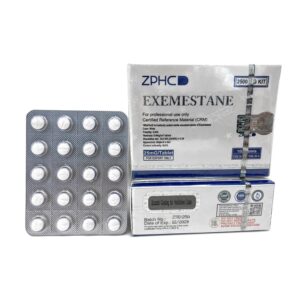
Exemestane ZPHC — 25 mg × 100 Tablets
Exemestane ZPHC — 25 mg × 100 tablets is a pharmaceutical product containing exemestane, an aromatase inhibitor that reduces the body’s production of estrogen. Exemestane is primarily associated with medical management of certain hormone-sensitive breast cancers in postmenopausal women. Because it changes estrogen levels, its use should be guided by an appropriately qualified healthcare professional.
For people researching ZPHC exemestane, understanding the active ingredient, strength, formulation, intended medical applications, precautions, and potential adverse effects is essential. This page provides general educational information rather than instructions for obtaining, dosing, or using prescription medication.
What Is Exemestane?
Exemestane is an aromatase inhibitor. Aromatase is an enzyme involved in converting certain androgens into estrogen. By inhibiting aromatase, exemestane can substantially reduce estrogen production.
The medicine is most commonly recognized for its role in the treatment of hormone receptor-positive breast cancer in appropriate postmenopausal patients. Lowering estrogen can help reduce hormonal stimulation of certain cancer cells.
The product described here is labeled Exemestane ZPHC — 25 mg × 100 tablets, indicating a tablet strength of 25 mg and a package quantity of 100 tablets. Packaging and labeling should always be checked carefully because pharmaceutical products can differ by market, manufacturer, and distribution channel.
Exemestane ZPHC 25 mg Product Information
When researching ZPHC Exemestane 25 mg, shoppers and patients may encounter several specifications that should be verified against the product’s original packaging and accompanying documentation.
Product: Exemestane ZPHC
Strength: 25 mg per tablet
Form: Tablets
Package: 100 tablets
Active ingredient: Exemestane
Drug class: Aromatase inhibitor
Primary medical context: Hormone-sensitive breast cancer treatment under medical supervision
These details identify the formulation described in the product title but should not be treated as confirmation of authenticity, regulatory status, or suitability for an individual patient.
How Exemestane Works
Exemestane works by irreversibly inhibiting aromatase, an enzyme involved in estrogen biosynthesis. This mechanism distinguishes exemestane from some other endocrine therapies.
Reducing estrogen can be medically beneficial when cancer growth is influenced by estrogen signaling. The degree of estrogen suppression and the clinical response vary between individuals, which is why treatment decisions generally involve a patient’s medical history, menopausal status, diagnosis, other medications, and ongoing clinical monitoring.
Understanding the mechanism can also help explain why exemestane may produce estrogen-related adverse effects. Changes in estrogen can influence bone health, joints, cholesterol levels, and other physiological processes.
Medical Uses and Clinical Context
Exemestane has an established medical role in certain breast cancer treatment settings. A healthcare professional determines whether an aromatase inhibitor is appropriate based on the patient’s diagnosis and treatment history.
It is important not to interpret a product listing as a recommendation for self-treatment. Prescription medicines should be used only for an appropriate medical indication and according to the instructions of the prescribing clinician.
People searching online for Exemestane ZPHC 25 mg should distinguish educational product information from medical advice. A product’s availability online does not establish that it is approved, authentic, safe, or appropriate for use.
Important Safety Considerations
Exemestane can cause clinically significant changes in hormone levels. Potential adverse effects can include hot flashes, sweating, fatigue, headache, dizziness, insomnia, joint or muscle discomfort, and other symptoms.
Long-term estrogen suppression can also affect bone mineral density. Depending on the patient’s circumstances, clinicians may consider bone-health assessment and other monitoring during treatment.
Other possible concerns include changes in cholesterol levels and liver-related considerations. Individual risks depend on health status, other medications, and treatment duration.
A particularly important point is that more medication does not necessarily produce better results. Prescription endocrine therapy requires appropriate dosing and clinical oversight.
Exemestane and Bone Health
Estrogen contributes to maintaining healthy bones. Consequently, prolonged estrogen suppression may increase the risk of decreased bone mineral density and fractures in some patients.
Patients prescribed exemestane may therefore need individualized monitoring of bone health. Calcium and vitamin D intake, physical activity, existing osteoporosis risk, and other medications can all be relevant to a clinician’s assessment.
Anyone experiencing persistent or severe musculoskeletal symptoms should discuss them with their healthcare professional rather than changing treatment independently.
Drug Interactions and Medical Review
Before taking exemestane, patients should tell their healthcare professional about prescription medicines, over-the-counter products, and supplements they use.
Certain medicines can influence drug metabolism or alter the effectiveness of endocrine treatment. A complete medication review helps clinicians identify potential interactions and determine whether exemestane is appropriate.
Patients should not start, stop, increase, decrease, or substitute prescription medication without professional guidance.
Who Should Avoid Self-Directed Use?
Self-directed use is particularly inappropriate when a person does not have a confirmed medical indication or does not know the medication’s authenticity and storage history.
Pregnancy-related considerations, breastfeeding, liver function, bone health, cardiovascular risk factors, and concurrent medications may all affect treatment decisions. These factors require individualized professional evaluation.
If you have received an exemestane prescription, follow the prescribing information supplied with your medication and consult your pharmacist or physician if anything about the product differs from what you were expecting.
Buying and Authenticity Considerations in the USA
People searching for where to buy Exemestane ZPHC in the USA should prioritize legitimate, appropriately licensed pharmaceutical channels and professional medical guidance rather than relying solely on an online product listing.
Before obtaining a prescription medicine online, consumers should verify the pharmacy’s credentials, prescription requirements, contact information, product labeling, and applicable U.S. regulatory requirements. An attractive price or professional-looking website is not sufficient evidence that a medication is authentic.
For safety, do not assume that ZPHC branding alone confirms the quality, authenticity, sterility, potency, or regulatory status of a product.
Why Product Verification Matters
Counterfeit and improperly handled medicines can create serious risks. Incorrect active ingredients, inaccurate strengths, contamination, poor storage conditions, or misleading labeling may result in ineffective treatment or unexpected adverse effects.
A powerful way to reduce avoidable risk is to verify prescription medicines through qualified healthcare professionals and legitimate pharmaceutical supply channels.
Consumers should examine the packaging, lot information, expiration information, manufacturer details, and pharmacy credentials where applicable. Any suspicious discrepancy should be discussed with a pharmacist or relevant regulatory authority.
Frequently Asked Questions
What is Exemestane ZPHC 25 mg?
Exemestane ZPHC 25 mg refers to a tablet formulation identified as containing 25 mg of exemestane. Exemestane is an aromatase inhibitor used in specific medical treatment settings.
What does the 100-tablet package mean?
The designation 25 mg × 100 tablets indicates 100 tablets with a stated strength of 25 mg per tablet. It does not, by itself, establish how the medication should be taken.
Is exemestane a prescription medication?
Exemestane is a prescription medicine in the United States. Its use should be determined by an appropriately qualified healthcare professional.
What is exemestane used for?
Exemestane is primarily used in specific hormone-sensitive breast cancer treatment settings, particularly involving postmenopausal patients. The appropriate treatment plan depends on the individual clinical situation.
Can I determine whether an online product is authentic from its website?
No. A website’s appearance cannot independently verify pharmaceutical authenticity, potency, storage history, or regulatory compliance. Consumers should use legitimate pharmacy channels and consult qualified professionals.
What should I do if I experience side effects?
Contact your healthcare professional or pharmacist for advice. Seek urgent medical attention for serious or rapidly developing symptoms.
Final Considerations
Exemestane ZPHC — 25 mg × 100 tablets describes a 25 mg tablet formulation of the aromatase inhibitor exemestane. Its clinically important effects come from reducing estrogen production, making it relevant to particular hormone-sensitive cancer treatment strategies.
Because exemestane can produce significant hormonal and systemic effects, responsible use requires professional oversight. Consumers researching ZPHC, Exemestane 25 mg, and Exemestane tablets in the USA should place authenticity, appropriate medical indication, regulatory compliance, and patient safety ahead of price or promotional claims.
This information is educational and does not replace advice from a physician, pharmacist, or other qualified healthcare professional.
Be the first to review “Exemestane ZPHC — 25 mg × 100 tablets”
Related products
Injectable steroids
Injectable steroids
Injectable steroids
Injectable steroids
Injectable steroids
Injectable steroids
Boldenone Undecylenate ZPHC — 200 mg/ml (10 ampoules × 2 ml)
Anti-Aging
Reviews
There are no reviews yet.