

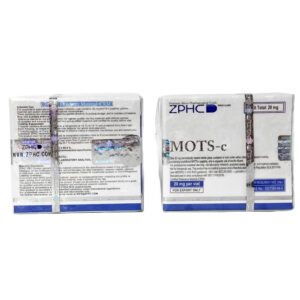
MOTS-c 20mg Kit ZPHC (Lyophilized Peptide + Bacteriostatic Water)
MOTS-c 20mg Kit ZPHC Overview
The MOTS-c 20mg Kit ZPHC is presented as a kit containing lyophilized MOTS-c peptide and bacteriostatic water. MOTS-c is a mitochondria-associated peptide that has attracted significant interest in scientific research involving cellular metabolism, mitochondrial function, and physiological processes.
For people researching ZPHC MOTS-c 20mg, understanding exactly what a product is, how it is supplied, and what is known about the underlying compound is important. MOTS-c remains an investigational peptide rather than an established treatment for routine medical use, and research findings should not be interpreted as proof of clinical effectiveness.
The combination of a lyophilized peptide and bacteriostatic water also means that product information should be reviewed carefully before any handling or preparation. Sterility, storage, labeling, identity, concentration, and quality-control documentation are important considerations for any injectable research material.
What Is MOTS-c?
MOTS-c is a small peptide associated with mitochondrial biology. Scientific research has investigated its potential relationship with metabolic regulation, cellular signaling, and energy-related pathways.
Interest in MOTS-c has increased because mitochondria play an essential role in producing cellular energy and coordinating several metabolic processes. Researchers have explored whether MOTS-c may participate in communication between mitochondria and other parts of the cell.
However, laboratory and preclinical research does not automatically establish that a peptide is safe or effective for human treatment. The distinction between experimental findings and clinically validated medical applications is especially important when evaluating products marketed online.
ZPHC MOTS-c 20mg Kit Format
The ZPHC MOTS-c 20mg Kit is described as containing two primary components:
- Lyophilized MOTS-c peptide
- Bacteriostatic water
Lyophilization, commonly called freeze-drying, is a technique used to produce a dry material that can be more stable for storage than a corresponding liquid preparation under appropriate conditions.
Bacteriostatic water is specially formulated sterile water containing a preservative. Its intended use depends on the specific product labeling and applicable medical or pharmaceutical instructions. It should not automatically be assumed that any bacteriostatic water product is appropriate for reconstituting every peptide.
Why Lyophilized Peptides Require Careful Evaluation
A major consideration when researching products such as MOTS-c 20mg Kit ZPHC is product quality.
A peptide’s appearance alone cannot establish its identity, purity, potency, sterility, or suitability for human administration. Responsible evaluation can include reviewing available documentation concerning:
- Peptide identity
- Stated quantity
- Purity testing
- Batch or lot information
- Manufacturing standards
- Storage requirements
- Expiration or retest information
- Sterility information where applicable
- Third-party analytical documentation
Independent laboratory testing and transparent documentation can provide additional information, although laboratory documentation still needs to be interpreted carefully.
Research Interest in MOTS-c
MOTS-c has become an intriguing subject within metabolic and mitochondrial research. Scientists have investigated pathways involving glucose metabolism, energy regulation, cellular stress responses, and mitochondrial activity.
These areas help explain why MOTS-c has generated substantial research interest. Nevertheless, promising biological mechanisms should not be confused with established therapeutic outcomes.
Research compounds can behave differently in controlled laboratory environments and in humans. Factors such as dosage, formulation, pharmacokinetics, administration route, individual characteristics, and long-term exposure can substantially affect outcomes.
Consequently, searches such as “MOTS-c 20mg,” “ZPHC MOTS-c,” and “MOTS-c peptide kit” should lead to careful evaluation of the available scientific and product information rather than assumptions about health benefits.
Bacteriostatic Water Component
The inclusion of bacteriostatic water is another important aspect of the kit description.
Bacteriostatic water is different from ordinary sterile water because it contains a preservative intended to inhibit the growth of microorganisms under specified conditions. The presence of a preservative does not mean that improper handling is safe or that contamination cannot occur.
Anyone evaluating a peptide kit should follow the manufacturer’s labeling and appropriate professional guidance regarding storage and handling. Questions involving preparation of injectable materials should be directed to a qualified healthcare professional or pharmacist rather than relying on generalized internet instructions.
Product Quality and Documentation
When researching ZPHC MOTS-c 20mg Kit, documentation is one of the most useful factors to examine.
A professionally presented research product should have clear labeling and identifiable product information. Where available, customers and researchers may wish to examine certificates of analysis or laboratory reports and determine whether the documentation corresponds to the specific batch being evaluated.
Important questions include:
- Is the peptide clearly identified?
- Is the stated quantity documented?
- Is there batch or lot identification?
- Is analytical testing available?
- Are storage conditions clearly specified?
- Is the product explicitly labeled for research purposes?
- Are the supplied components individually identified?
- Is there sufficient information to distinguish the product from similarly named materials?
These questions can help reduce confusion when multiple peptide products have similar names or specifications.
Storage Considerations
Lyophilized materials can have specific storage requirements. Temperature, moisture, light exposure, container integrity, and handling conditions may affect product stability.
Because storage specifications can differ between products, the manufacturer’s current labeling should be treated as the controlling source for storage requirements. Generic storage advice found on third-party websites should not replace product-specific instructions.
Bacteriostatic water likewise has its own labeling and storage considerations. The supplied product documentation should be reviewed before use or handling.
MOTS-c Research: What the Evidence Does and Does Not Show
MOTS-c research is an evolving area. Existing scientific interest does not establish MOTS-c as an approved treatment for disease, weight management, athletic performance, aging, or other consumer health objectives.
Claims that an experimental peptide can produce guaranteed outcomes should therefore be approached cautiously. A powerful scientific hypothesis is not the same thing as a clinically proven result.
This distinction is particularly relevant to online product descriptions. Responsible SEO content should accurately distinguish:
Research interest: Scientists are investigating MOTS-c and related biological pathways.
Established medical treatment: A compound has demonstrated sufficient evidence for a specific indication and has received appropriate regulatory authorization.
These categories should not be conflated.
Who Should Research This Product?
The MOTS-c 20mg Kit may be relevant to individuals researching peptide science, mitochondrial biology, metabolic signaling, and experimental compounds.
It is particularly important for researchers and consumers to distinguish products intended for laboratory research from medicines intended for diagnosis or treatment. Product labeling, regulatory status, and intended use should be verified before drawing conclusions about suitability.
Individuals considering any injectable or experimental substance for personal use should consult a qualified healthcare professional. A healthcare professional can evaluate personal circumstances, potential interactions, contraindications, and the appropriateness of an intervention.
Frequently Asked Questions
What is ZPHC MOTS-c 20mg?
ZPHC MOTS-c 20mg is described as a kit containing lyophilized MOTS-c peptide along with bacteriostatic water. MOTS-c is an investigational peptide studied in mitochondrial and metabolic research.
Is MOTS-c an approved medication?
MOTS-c should not be represented as an established or approved treatment simply because it has been investigated scientifically. Regulatory status can vary by jurisdiction and should be verified through authoritative regulatory sources.
What does lyophilized mean?
Lyophilized means the material has undergone a freeze-drying process designed to remove water and produce a dry preparation. Product-specific storage and handling requirements still apply.
What is bacteriostatic water?
Bacteriostatic water is sterile water containing a preservative. Its appropriate application depends on the product labeling and professional instructions.
Does MOTS-c have proven health benefits?
Research into MOTS-c is ongoing. Experimental findings should not be presented as guaranteed human health benefits or as a substitute for evidence from well-designed clinical studies.
What should I check before evaluating a peptide kit?
Review the product identity, labeling, quantity, lot information, testing documentation, storage instructions, intended-use statement, and applicable regulatory information.
Final Considerations
The MOTS-c 20mg Kit ZPHC (Lyophilized Peptide + Bacteriostatic Water) represents a product format associated with ongoing interest in peptide and mitochondrial research. Its description should be considered from a research and product-information perspective rather than as evidence of a clinically established treatment.
For anyone researching ZPHC, MOTS-c, or related peptide products in the United States, careful attention to labeling, analytical documentation, regulatory status, storage requirements, and intended use is essential. Claims about therapeutic, weight-management, performance, anti-aging, or other benefits should be evaluated against credible scientific and regulatory evidence.
Because experimental injectable products can present meaningful safety considerations, professional medical advice should be obtained before considering any personal use. The most reliable approach is to separate documented product specifications and scientific research from unsupported marketing claims.
Be the first to review “MOTS-c 20mg Kit ZPHC (Lyophilized Peptide + Bacteriostatic Water)”
Related products
Injectable steroids
Injectable steroids
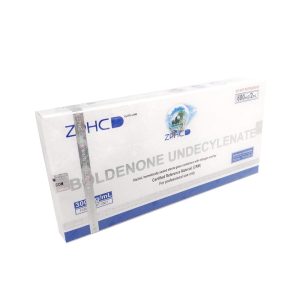
Boldenone Undecylenate ZPHC — 300 mg/ml (10 ampoules × 2 ml)
Injectable steroids
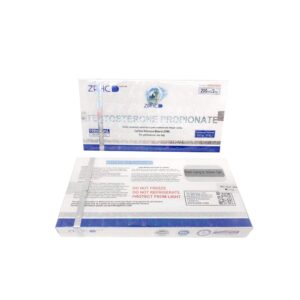
Testosterone Propionate ZPHC — 100 mg/ml (10 ampoules × 2 ml)
Injectable steroids
Injectable steroids

Injectable steroids
Injectable steroids
Injectable steroids
Reviews
There are no reviews yet.