

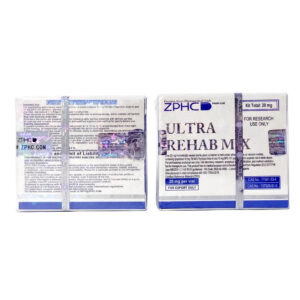
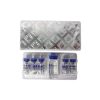
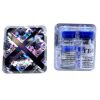
Ultra Rehab Mix ZPHC – 20mg (BPC-157 + TB-500)
Overview
Ultra Rehab Mix ZPHC – 20mg is a peptide combination identified with BPC-157 and TB-500. Interest in these compounds has grown among people researching peptide science, tissue biology, recovery-related research, and emerging approaches to regenerative medicine.
This product description is provided for informational and research-oriented purposes. BPC-157 and TB-500 should not be assumed to be approved treatments for injuries, diseases, or other medical conditions simply because they are discussed in research or online communities. Product quality, identity, purity, sterility, and concentration can vary substantially between suppliers and preparations.
What Is Ultra Rehab Mix ZPHC?
Ultra Rehab Mix ZPHC is described as a 20mg combination containing BPC-157 and TB-500. Combining two compounds in a single preparation is one reason peptide blends attract attention in research settings, where investigators may examine different biological pathways simultaneously.
BPC-157 is a synthetic peptide that has been investigated primarily in preclinical research. TB-500 is associated with thymosin-beta-4-related research and is also discussed extensively in experimental peptide literature.
The phrase “rehab mix” is commonly used as marketing terminology and should not be interpreted as evidence that a product can rehabilitate an injury or replace an established medical treatment.
BPC-157 Research Background
BPC-157 has been the subject of laboratory and animal research investigating processes associated with cellular signaling, vascular responses, gastrointestinal biology, and tissue repair.
Much of the available evidence is preclinical rather than high-quality human clinical evidence. Consequently, findings from laboratory or animal models cannot automatically be translated into expected results in humans.
Researchers interested in BPC-157 generally examine questions involving:
- Cellular and molecular signaling
- Tissue-response mechanisms
- Vascular biology
- Gastrointestinal research
- Experimental injury models
- Inflammatory pathways
- Regenerative biology
These research areas make BPC-157 an interesting subject of scientific investigation, while also highlighting the importance of distinguishing experimental findings from clinically established outcomes.
TB-500 and Thymosin-Beta-4 Research
TB-500 is commonly discussed in connection with thymosin beta-4, a naturally occurring peptide involved in biological processes including cellular migration and actin regulation.
Research involving thymosin beta-4 has investigated mechanisms related to wound healing, angiogenesis, inflammation, and tissue biology. However, terminology surrounding TB-500 and thymosin beta-4 can be inconsistent across commercial and online sources.
This distinction is important because a commercial product labeled “TB-500” should not automatically be assumed to have the same characteristics, formulation, purity, or clinical evidence as naturally occurring thymosin beta-4 or a specific research preparation.
Why Peptide Blends Attract Research Interest
Combination peptide preparations can attract attention because researchers may be interested in studying compounds that interact with different biological pathways.
With a BPC-157 and TB-500 combination, the scientific interest generally centers on the broader fields of tissue biology, cellular signaling, vascular processes, and regenerative research.
However, combining compounds does not establish that they produce superior results compared with studying each compound individually. Controlled research is necessary to determine whether a combination provides meaningful advantages, and available evidence should be evaluated carefully.
Important Product-Quality Considerations
One of the most important considerations when researching peptide products is quality assurance.
A label alone cannot establish the identity or purity of a peptide. Researchers and consumers should pay attention to documentation such as:
- Independent analytical testing
- Certificate of analysis (COA)
- Batch or lot identification
- Reported peptide identity
- Purity testing methodology
- Sterility information when applicable
- Storage requirements
- Manufacturer information
- Expiration or retest information
For injectable preparations, sterility and contamination are particularly important considerations. A product described online as “research grade” should not automatically be interpreted as sterile, pharmaceutical grade, or suitable for human administration.
Ultra Rehab Mix ZPHC: What the 20mg Label Means
The 20mg designation refers to the stated total quantity of peptide material in the preparation. It does not, by itself, establish the exact amount of BPC-157 versus TB-500 unless the manufacturer provides that information.
Consumers and researchers should therefore review the original product documentation rather than assuming an equal split or inferring individual peptide quantities from the total labeled amount.
Clear labeling is especially important when evaluating combination products because concentration, formulation, and preparation can differ between manufacturers.
Safety and Regulatory Considerations
BPC-157 and TB-500 occupy an area where online claims can substantially exceed the available clinical evidence. Neither should be treated as automatically safe or effective simply because they are widely discussed online.
Potential concerns with experimental peptide products may include:
- Unknown long-term effects
- Inadequate characterization
- Contamination
- Incorrect concentration
- Mislabeling
- Sterility problems
- Interactions with medications or other substances
- Lack of well-established human dosing information
Anyone considering an experimental peptide for a medical condition should discuss the issue with a qualified healthcare professional rather than substituting online product descriptions for medical advice.
Research vs. Established Medical Treatment
A critical distinction in peptide research is the difference between scientific interest and proven medical use.
Positive findings in cell cultures or animal models can provide useful hypotheses for future research, but they do not establish that the same effects occur in humans. Human clinical trials require appropriate study design, safety monitoring, participant populations, dosing evaluation, and statistical analysis.
For this reason, claims that BPC-157 or TB-500 can definitively accelerate healing, repair specific injuries, reduce inflammation, or treat disease should be viewed cautiously unless supported by appropriate human clinical evidence.
Frequently Asked Questions
What is Ultra Rehab Mix ZPHC?
Ultra Rehab Mix ZPHC – 20mg is described as a peptide blend containing BPC-157 and TB-500. It is associated with experimental peptide research rather than being presented here as an established medical treatment.
What is BPC-157?
BPC-157 is a synthetic peptide investigated primarily through preclinical research involving areas such as tissue biology, cellular signaling, and gastrointestinal research.
What is TB-500?
TB-500 is a name commonly used in connection with thymosin-beta-4-related peptide research. Commercial terminology can vary, so product-specific documentation is important.
Does the 20mg label identify the amount of each peptide?
Not necessarily. A total 20mg label does not establish the individual quantities of BPC-157 and TB-500 unless those amounts are explicitly provided by the manufacturer.
Is Ultra Rehab Mix ZPHC an approved treatment?
This description does not characterize Ultra Rehab Mix ZPHC as an approved treatment. Experimental peptide products should not be substituted for therapies prescribed by a qualified healthcare professional.
Final Considerations
Ultra Rehab Mix ZPHC – 20mg represents an interesting area of experimental peptide research, particularly for readers investigating BPC-157, TB-500, tissue biology, cellular signaling, and regenerative medicine.
The most important approach is to separate established scientific evidence from promotional claims. Reviewing analytical documentation, understanding exactly what a product contains, recognizing the limitations of preclinical research, and consulting qualified medical professionals can help support more informed decisions.
For SEO research purposes, relevant search phrases include ZPHC, Ultra Rehab Mix ZPHC, BPC-157 and TB-500, BPC-157 research, TB-500 research, peptide research, peptide quality testing, peptide COA, and experimental peptide compounds.
The positive takeaway is that these compounds remain subjects of active scientific interest; the critical caution is that scientific interest does not equal established safety or therapeutic effectiveness.
Be the first to review “Ultra Rehab Mix ZPHC – 20mg (BPC-157 + TB-500)”
Related products
Injectable steroids
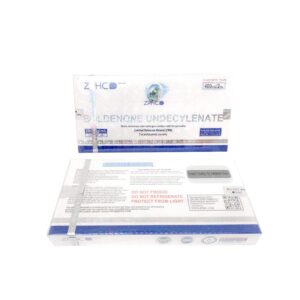
Boldenone Undecylenate ZPHC — 300 mg/ml (10 ampoules × 2 ml)
Injectable steroids
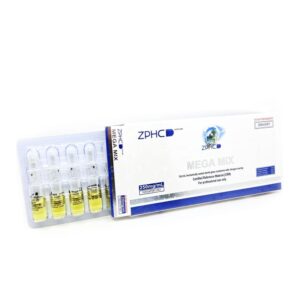
Boldenone Undecylenate ZPHC — 200 mg/ml (10 ampoules × 2 ml)
Injectable steroids
Injectable steroids
Injectable steroids
Methandienone Injectable ZPHC — 25 mg/ml (10 ampoules × 2 ml)
Injectable steroids
Injectable steroids
Reviews
There are no reviews yet.