

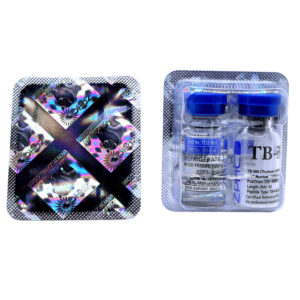
TB-500 20mg Kit Overview
The TB-500 20mg Kit (Lyophilized Peptide + Bacteriostatic Water) is a research-oriented peptide kit combining a lyophilized peptide preparation with bacteriostatic water. The product format is designed for laboratory and research settings where a dry peptide and an appropriate diluent may be supplied together.
For people researching TB-500 peptides, understanding the product format, labeling, storage requirements, documentation, and intended use is important. Product descriptions should not be interpreted as medical advice, treatment recommendations, or instructions for human use.
TB-500 is commonly discussed in scientific and online research communities in connection with thymosin beta-4-related research. However, terminology surrounding TB-500 can vary between suppliers and publications, making it especially important to examine the actual product documentation rather than relying solely on marketing descriptions.
What Is Included in the TB-500 20mg Kit?
The TB-500 20mg Kit is described as containing two primary components:
- Lyophilized peptide: A freeze-dried preparation intended to provide improved stability compared with a liquid formulation under appropriate storage conditions.
- Bacteriostatic water: A sterile diluent containing a preservative and commonly supplied for laboratory preparation purposes.
The exact contents, concentration, specifications, vial sizes, lot information, and documentation should always be confirmed against the manufacturer’s current packaging and certificate of analysis.
Because formulations and labeling practices can differ, researchers should verify the identity and specifications of each component before incorporating a product into laboratory work.
Lyophilized Peptide Format
Lyophilization, also known as freeze-drying, is a widely used technique for preparing biological materials in a dry form. Removing water from a preparation can help support product stability when the material is stored under appropriate conditions.
For research purposes, a lyophilized peptide product may offer practical advantages in shipping, storage, and laboratory preparation. Nevertheless, stability is dependent on multiple factors, including temperature, exposure to moisture, light, handling, container integrity, and the specific characteristics of the peptide.
A sealed vial should therefore be handled according to the manufacturer’s documented storage requirements. Researchers should avoid assuming that every lyophilized peptide has identical stability characteristics.
Bacteriostatic Water Component
The inclusion of bacteriostatic water provides a diluent component commonly associated with laboratory preparation of certain products. The term refers to sterile water containing a bacteriostatic preservative.
Importantly, bacteriostatic water should not automatically be considered interchangeable with every other type of sterile water or laboratory-grade diluent. Compatibility depends on the specific research protocol and material being prepared.
Researchers should consult applicable laboratory procedures, manufacturer documentation, and institutional requirements before using any diluent.
TB-500 Research Context
TB-500 is frequently associated with research involving thymosin beta-4-related biological mechanisms. Scientific interest has included areas such as cellular processes, tissue biology, angiogenesis, migration, and repair-related pathways.
However, online descriptions of TB-500 sometimes make claims that extend beyond established evidence. A responsible product page should distinguish research interest from demonstrated clinical outcomes.
The existence of scientific research involving a peptide does not establish that a particular commercial preparation is safe or effective for treating a disease or medical condition. Researchers should evaluate peer-reviewed literature, experimental methodology, and product-specific analytical documentation independently.
Quality and Documentation Considerations
When evaluating a TB-500 20mg peptide kit, product documentation is an important consideration. Useful information may include:
Certificate of Analysis
A current Certificate of Analysis (COA) can provide information about analytical testing associated with a particular lot. Depending on the testing laboratory and product, documentation may address identity, purity, quantity, or other analytical characteristics.
A COA should correspond to the actual batch or lot being evaluated rather than being treated as generic evidence for every production run.
Lot and Batch Information
Clear lot numbers allow researchers to associate packaging with corresponding documentation. Consistent labeling can make laboratory inventory management and recordkeeping more straightforward.
Storage Information
Peptides can be sensitive to environmental conditions. Appropriate storage depends on the specific product and manufacturer instructions. Researchers should follow the documented temperature, light, moisture, and handling requirements supplied with the product.
Packaging Integrity
Vials, labels, seals, and packaging should be inspected for visible damage or discrepancies. If packaging appears compromised, the material should be evaluated according to applicable laboratory procedures before use.
Research-Only Considerations
Products marketed as research peptides should be treated according to their stated intended use. TB-500 should not be presented as an approved treatment simply because it is discussed in scientific or online communities.
Researchers should avoid relying on promotional claims concerning muscle recovery, injury treatment, athletic performance, anti-aging effects, or other human health outcomes unless those claims are supported by appropriate clinical evidence.
This distinction is particularly important for SEO content because exaggerated medical claims can be misleading. Accurate descriptions should focus on product characteristics, research context, analytical documentation, and responsible handling.
Why Product Transparency Matters
Transparency is one of the most valuable qualities when evaluating research materials. A strong product listing should provide enough information for qualified researchers to determine whether the material is appropriate for their particular laboratory requirements.
Relevant information may include:
- Product name
- Stated peptide quantity
- Formulation type
- Included components
- Lot or batch identification
- Storage requirements
- Manufacturer information
- Testing documentation
- Intended-use statement
- Packaging information
Clear documentation creates a more reliable foundation for laboratory purchasing and inventory decisions than unsupported performance claims.
TB-500 20mg Kit Storage
Storage requirements should always be taken directly from the product’s current documentation. Lyophilized materials may require controlled temperatures and protection from environmental exposure.
Researchers should maintain appropriate laboratory storage conditions and document relevant handling procedures. Repeated temperature fluctuations, unnecessary exposure to moisture, or improper storage can potentially compromise research materials.
The bacteriostatic-water component may also have its own storage and handling requirements. These requirements should be reviewed independently rather than assuming that both components have identical storage conditions.
Handling and Laboratory Safety
Research materials should be handled by appropriately trained personnel using applicable laboratory safety procedures. Researchers should consult institutional protocols, relevant safety documentation, and applicable regulations before working with peptide materials.
The presence of bacteriostatic water in a kit does not change the need for appropriate laboratory controls. Sterility, contamination prevention, labeling, disposal, and documentation should all be considered as part of responsible laboratory practice.
TB-500 Peptide Research Keywords
For researchers searching for information about this product category, relevant terminology may include TB-500 20mg, TB-500 peptide, lyophilized TB-500, TB-500 research peptide, TB-500 kit, bacteriostatic water, peptide research materials, and thymosin beta-4-related research.
Search terminology can vary substantially between suppliers, so researchers should compare product names with actual specifications and documentation.
Frequently Asked Questions
What is the TB-500 20mg Kit?
The TB-500 20mg Kit is described as a kit containing a lyophilized peptide preparation and bacteriostatic water. Exact specifications should be confirmed through the product label and accompanying documentation.
Is TB-500 the same as thymosin beta-4?
TB-500 is commonly described in relation to thymosin beta-4, but terminology and molecular descriptions can vary. Researchers should examine the specific identity and analytical information supplied for the product rather than assuming equivalence based solely on naming.
What does lyophilized mean?
Lyophilized means that a material has undergone a freeze-drying process to remove water. The resulting dry preparation may have different storage and handling characteristics from a liquid formulation.
What is bacteriostatic water?
Bacteriostatic water is sterile water containing a bacteriostatic preservative. Its suitability depends on the specific laboratory application and manufacturer’s documentation.
Is TB-500 approved as a medical treatment?
The regulatory status of peptide products can vary by jurisdiction and formulation. A research product should not be represented as an approved human treatment without appropriate regulatory authorization.
Where can researchers verify product quality?
Researchers can review manufacturer documentation, lot-specific certificates of analysis, identity testing, purity information, and other analytical records. Independent verification may also be appropriate for laboratory applications where analytical certainty is important.
Final Considerations
The TB-500 20mg Kit (Lyophilized Peptide + Bacteriostatic Water) represents a specific research-product format combining a dry peptide preparation with a supplied diluent. Its most important evaluation factors include accurate labeling, product identity, lot-specific documentation, storage information, packaging integrity, and transparent intended-use statements.
A powerful research workflow begins with verification rather than assumptions. Researchers should review primary scientific literature and product-specific analytical documentation and follow applicable laboratory procedures and regulations.
Be the first to review “TB-500 20mg Kit (Lyophilized Peptide + Bacteriostatic Water)”
Related products
Injectable steroids
Dihydroboldenone Cypionate ZPHC — 50 mg/ml (10 ampoules × 2 ml)
Injectable steroids
Boldenone Undecylenate ZPHC — 300 mg/ml (10 ampoules × 2 ml)
Injectable steroids
Boldenone Undecylenate ZPHC — 200 mg/ml (10 ampoules × 2 ml)
Injectable steroids
Methandienone Injectable ZPHC — 25 mg/ml (10 ampoules × 2 ml)
Injectable steroids
Injectable steroids
Injectable steroids
Reviews
There are no reviews yet.