

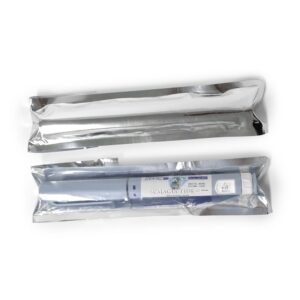
Semaglutide ZPHC — 6 mg Premixed Pen
Semaglutide is a well-established GLP-1 receptor agonist that has become an important subject in modern metabolic and weight-management care. The Semaglutide ZPHC — 6 mg Premixed Pen is presented as a prefilled pen containing semaglutide, making accurate product identification and professional medical guidance especially important.
For people researching ZPHC semaglutide, understanding the active ingredient, intended medical use, administration considerations, potential risks, and regulatory status is more important than relying on promotional claims. Semaglutide products are prescription medicines, and the appropriate product, strength, dosing schedule, and administration method should be determined by a qualified healthcare professional.
What Is Semaglutide?
Semaglutide is a glucagon-like peptide-1, or GLP-1, receptor agonist. FDA-approved semaglutide products are used for specific medical indications, including certain forms of type 2 diabetes management and chronic weight management, depending on the particular product and formulation. Wegovy, for example, is approved in combination with reduced-calorie eating and increased physical activity for specific weight-management indications.
Semaglutide works by interacting with GLP-1 receptors involved in glucose regulation, appetite, and gastrointestinal processes. Its pharmacological effects can influence blood glucose and food intake, which is why semaglutide has received substantial attention in metabolic medicine.
The phrase “Semaglutide ZPHC” may refer to a branded or marketed product presentation rather than an FDA-approved brand name. Consumers should therefore verify the exact manufacturer, formulation, dispensing pharmacy, labeling, and regulatory status before using any semaglutide product.
Semaglutide 6 mg Premixed Pen Overview
The 6 mg premixed pen format indicates a semaglutide product supplied in a pen presentation rather than requiring the user to prepare a medication from a vial. However, the total amount of semaglutide in a pen should not be confused with the amount appropriate for an individual dose.
This distinction is critical.
Semaglutide dosing is generally individualized and follows product-specific prescribing instructions. The concentration, pen design, number of doses, dose increments, and instructions for use can vary between products. Users should never calculate or change a semaglutide dose based solely on the total milligram amount printed on a package.
A healthcare professional or dispensing pharmacist should confirm:
- The exact semaglutide formulation
- Concentration and total quantity
- Intended route of administration
- Prescribed dose
- Dose frequency
- Storage requirements
- Pen operation and administration instructions
- Appropriate titration schedule
- Potential medication interactions
Potential Role in Weight Management
Semaglutide has been extensively studied in the context of chronic weight management. FDA-approved Wegovy labeling describes semaglutide as part of a treatment approach that includes reduced-calorie eating and increased physical activity.
The medication can affect appetite and food intake through GLP-1 receptor activity. For eligible patients, this may contribute to clinically meaningful changes in body weight when used according to an appropriate treatment plan.
However, semaglutide should not be marketed as a guaranteed weight-loss solution. Individual responses vary, and treatment decisions should account for medical history, existing medications, contraindications, potential adverse reactions, and other health factors.
Important Safety Information
Although semaglutide can provide significant therapeutic benefits for appropriate patients, it is not risk-free. Common gastrointestinal effects associated with semaglutide can include nausea, vomiting, diarrhea, constipation, and abdominal discomfort.
More serious risks may also occur. The FDA-approved Wegovy prescribing information contains a boxed warning concerning thyroid C-cell tumors observed in rodents. Wegovy is contraindicated in people with a personal or family history of medullary thyroid carcinoma or in patients with Multiple Endocrine Neoplasia syndrome type 2.
Patients should review the complete prescribing information with their healthcare professional before treatment.
The FDA has also specifically warned about dosing errors associated with compounded injectable semaglutide. Different concentrations, containers, and measurement systems can create opportunities for dosing mistakes.
FDA Approval and Compounded Semaglutide
An important distinction for anyone searching for ZPHC semaglutide in the USA is the difference between an FDA-approved semaglutide medicine and a compounded product.
FDA states that compounded drugs are not FDA-approved, meaning the agency does not review them before marketing to establish their safety, effectiveness, or quality. Compounded medicines may sometimes be appropriate when an FDA-approved medication cannot meet a particular patient’s medical need, but they should be used under appropriate professional oversight.
FDA has also highlighted concerns involving compounded semaglutide, including dosing errors and differences between compounded products and approved formulations.
Therefore, consumers searching for ZPHC 6 mg semaglutide should verify whether the particular product is FDA-approved, compounded, or otherwise classified, rather than assuming that a product carrying the semaglutide name has undergone FDA review.
How to Evaluate a Semaglutide Product
Before obtaining or using a semaglutide pen, consumers should look for clear and verifiable product information.
Important details include:
Manufacturer Information
The packaging should clearly identify the manufacturer or dispensing entity. Avoid relying exclusively on a website’s marketing statements.
Active Ingredient
Verify that the product identifies the active ingredient and formulation accurately. FDA has specifically warned about compounded products containing semaglutide salt forms, including semaglutide sodium and semaglutide acetate, which are different active ingredients from those used in FDA-approved products.
Prescription Requirements
Semaglutide is a prescription medicine. Treatment should involve an appropriate healthcare professional who can determine whether semaglutide is suitable for the individual patient.
Storage and Handling
Follow the specific storage instructions supplied with the medication. Improper storage can compromise medication quality.
Authenticity and Labeling
Consumers should examine packaging, labeling, expiration information, lot information, and dispensing details. Suspicious or incomplete labeling warrants consultation with a pharmacist before use.
Why Professional Guidance Matters
Semaglutide treatment involves more than selecting a milligram quantity. Appropriate therapy requires consideration of the patient’s medical history, current medications, treatment goals, contraindications, and response to therapy.
Professional guidance is particularly important because semaglutide can interact with a broader treatment plan and because different semaglutide products have different approved indications and administration instructions.
Patients should never substitute one semaglutide product for another simply because the products appear to contain similar amounts of semaglutide.
Semaglutide ZPHC: Key Product Considerations
For individuals researching Semaglutide ZPHC — 6 mg Premixed Pen, the most important considerations are product authenticity, formulation, regulatory status, labeling, appropriate prescription oversight, and safe administration.
The premixed-pen presentation may appear convenient, but convenience should never replace verification. A compelling product description should communicate what is known about the product without promising guaranteed weight loss, claiming FDA approval without evidence, or suggesting that a non-approved product is equivalent to an FDA-approved medication.
Final Considerations
Semaglutide represents a powerful pharmaceutical tool within appropriately supervised metabolic care, but it should be treated as a prescription medicine rather than an ordinary consumer supplement. FDA-approved semaglutide products have defined indications, prescribing information, contraindications, and safety warnings.
For any product marketed as ZPHC Semaglutide 6 mg Premixed Pen, prospective users should verify the exact formulation, source, regulatory status, labeling, prescription requirements, and professional dispensing information before considering treatment.
The safest approach is to discuss semaglutide with a qualified healthcare professional and obtain prescription medication through an appropriately regulated dispensing channel.
Be the first to review “Semaglutide ZPHC — 6 mg Premixed Pen”
Related products
Fat Burners
Injectable steroids
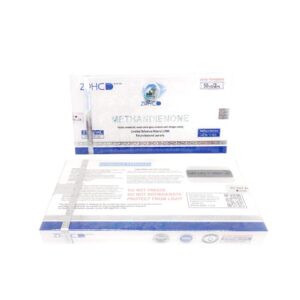
Methandienone Injectable ZPHC — 25 mg/ml (10 ampoules × 2 ml)
Injectable steroids
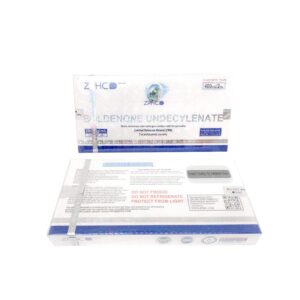
Boldenone Undecylenate ZPHC — 200 mg/ml (10 ampoules × 2 ml)
Fat Burners
Anti-Aging
Injectable steroids
Boldenone Undecylenate ZPHC — 300 mg/ml (10 ampoules × 2 ml)
Reviews
There are no reviews yet.