

Clenbuterol HCl ZPHC Overview
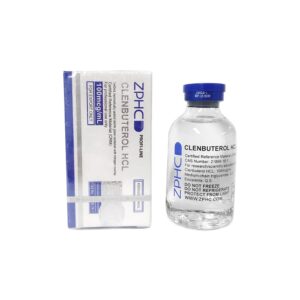
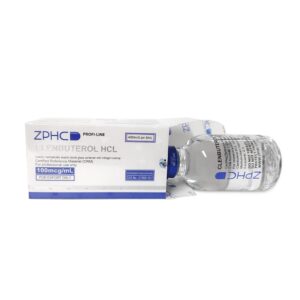
Clenbuterol hydrochloride, commonly referred to as clenbuterol HCl, is a pharmacologically active compound belonging to the beta-adrenergic agonist class. The product referenced here is identified as Clenbuterol HCl ZPHC — 100 µg/ml in a 40 ml vial.
For audiences researching ZPHC products in the United States, it is important to distinguish product specifications from regulatory approval. A product listing, label, concentration, or manufacturer claim does not by itself establish FDA approval or authorization for human use.
In the United States, FDA records identify clenbuterol as an approved veterinary drug for horses under specific conditions. FDA documentation for Ventipulmin Syrup, a clenbuterol hydrochloride product, states that it is intended for horses not intended for food and carries a warning that the product is not for human use. The FDA approval documentation also notes that clenbuterol can cause cardiovascular effects in people, including changes in pulse rate, blood pressure, and ECG readings.
ZPHC Clenbuterol HCl Product Details
Product name: Clenbuterol HCl ZPHC
Active ingredient: Clenbuterol hydrochloride
Listed concentration: 100 µg/ml
Listed container size: 40 ml vial
Product category: Pharmacologically active beta-adrenergic compound
Primary U.S. regulatory context: Veterinary use
Human-use status: Not FDA-approved for general human use
These specifications describe the product as identified in the supplied product name. They should not be interpreted as evidence that the product has been reviewed by the FDA for human safety, effectiveness, manufacturing quality, or labeling.
The FDA explains that approved drugs undergo review of safety, effectiveness, manufacturing, quality, and labeling. Products that have not undergone the applicable approval process may present uncertainty regarding identity, strength, purity, manufacturing consistency, and labeling.
Understanding Clenbuterol Hydrochloride
Clenbuterol is a beta-adrenergic agonist that has pharmacological activity involving beta receptors. Its veterinary applications are distinct from claims sometimes encountered online regarding human performance, body composition, or weight management.
Consumers should be particularly cautious when online descriptions characterize clenbuterol as a supplement, wellness product, or routine weight-management product. The FDA warns consumers about products marketed as alternatives to prescription drugs or products claiming effects similar to prescription medications.
For this reason, product information should remain separate from unsupported claims about fat loss, muscle preservation, athletic performance, or other human outcomes.
Concentration and Packaging Information
The listed ZPHC specification is 100 µg/ml, supplied in a 40 ml vial. Concentration is a product characteristic, but concentration alone does not establish whether a formulation is appropriate, approved, or safe for a particular person or purpose.
Likewise, a 40 ml vial describes the container volume rather than establishing an approved treatment regimen.
No dosing schedule should be inferred from the product title or concentration. Human administration should not be attempted based on online product descriptions, bodybuilding forums, social media posts, or vendor instructions.
Important U.S. Regulatory Information
The regulatory status of clenbuterol is particularly important for U.S. readers.
FDA records identify clenbuterol as an animal drug approved for horses. The FDA’s approval documentation for Ventipulmin Syrup specifies veterinary use and states that the product is not for human use. The documentation also warns that accidental ingestion can produce undesirable reactions and that clenbuterol may cause significant cardiovascular effects in some people.
The FDA further identifies clenbuterol among drugs prohibited from extra-label use in food-producing animals.
These facts make regulatory verification an essential part of responsible product research. A website describing a product as “research,” “pharmaceutical,” “premium,” or “high purity” does not substitute for FDA approval.
Safety Considerations
Clenbuterol has a pharmacological effect on the cardiovascular system, making safety considerations especially important.
Potential adverse effects associated with beta-adrenergic activity can include cardiovascular symptoms and changes in heart rate or blood pressure. The FDA’s veterinary approval documentation specifically highlights elevated pulse rates, blood-pressure changes, and ECG changes as possible cardiovascular effects in people exposed to clenbuterol.
Because of these concerns, individuals should not interpret online product descriptions as medical guidance.
A particularly important warning applies to products marketed for rapid weight reduction or physique enhancement. The FDA has warned about products that make drug-like claims without appropriate approval and notes that unapproved drugs can carry risks involving unknown formulation, manufacturing, labeling, and safety information.
Why Product Verification Matters
When researching any ZPHC-labeled pharmaceutical or pharmacologically active product, buyers and healthcare professionals should verify:
- The identity of the active ingredient
- The stated concentration
- The intended species and indication
- The regulatory approval status
- The manufacturer’s documentation
- Lot and batch information where applicable
- Appropriate storage requirements
- Labeling and warnings
- Whether the product is legally marketed for its stated purpose
FDA guidance emphasizes that consumers should not assume a product is legally marketed simply because its packaging contains an NDC number, FDA-registration language, or other regulatory-sounding statements.
The same principle applies to online product pages. A professional-looking website does not independently establish regulatory approval.
ZPHC and Online Product Research
Searches for ZPHC clenbuterol, Clenbuterol HCl ZPHC, and 100 µg/ml clenbuterol may return websites making a variety of claims. Consumers should evaluate those claims critically and distinguish manufacturer or retailer descriptions from information verified by government regulators or qualified healthcare professionals.
The phrase “where to buy” can also be misleading when applied to products that have restrictions on human use. Availability online does not necessarily mean that a product is approved, legal for a particular intended use, or appropriate for self-administration.
For U.S. consumers, the FDA’s official drug databases and veterinary drug resources provide a more reliable starting point for determining regulatory status.
Responsible Information About Clenbuterol HCl
Clenbuterol HCl should not be treated as an ordinary dietary supplement. It is a pharmacologically active substance with regulatory and safety considerations that differ substantially from conventional nutritional products.
The most important distinction for U.S. readers is between product identification and approved medical use. Knowing that a vial contains 100 µg/ml of an ingredient does not establish that the formulation is FDA-approved for human administration.
Individuals who have questions about clenbuterol exposure, potential adverse effects, or veterinary use should consult an appropriately licensed healthcare professional or veterinarian, depending on the intended patient.
Final Product Summary
Clenbuterol HCl ZPHC is identified by the supplied product information as a 100 µg/ml, 40 ml vial containing clenbuterol hydrochloride. For U.S. audiences, regulatory status and safety should remain central to any product research.
FDA records confirm veterinary approval of a clenbuterol hydrochloride formulation for horses, while FDA documentation explicitly states that the veterinary product is not for human use and warns about potentially significant cardiovascular effects.
Accordingly, this product description is intended for informational and SEO purposes rather than as a recommendation for human purchase, dosing, administration, weight loss, bodybuilding, or performance enhancement.
For authoritative regulatory information, consumers should consult FDA resources and qualified healthcare professionals rather than relying solely on online vendor descriptions.
Be the first to review “Clenbuterol HCl ZPHC — (100 µg/ml · 40 ml vial)”
Related products
Fat Burners
Fat Burners

Injectable steroids
Dihydroboldenone Cypionate ZPHC — 50 mg/ml (10 ampoules × 2 ml)
Injectable steroids
Testosterone Propionate ZPHC — 100 mg/ml (10 ampoules × 2 ml)
Fat Burners
Injectable steroids
Anti-Aging
Injectable steroids
Reviews
There are no reviews yet.