

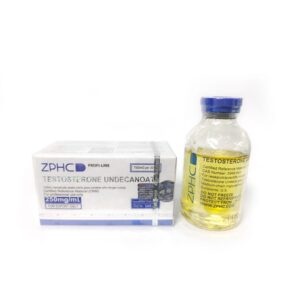
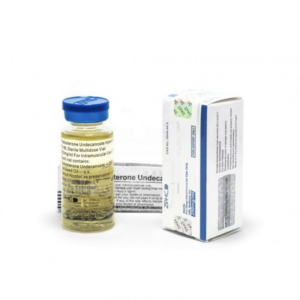
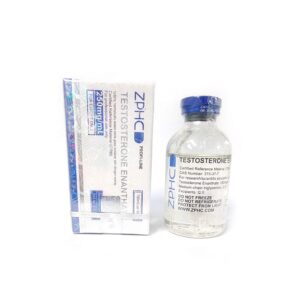
Testosterone Undecanoate ZPHC — 250 mg/ml (30 ml)
Testosterone Undecanoate ZPHC — 250 mg/ml (30 ml) is a testosterone-undecanoate formulation presented in a 30 ml, 250 mg/ml format. Testosterone undecanoate belongs to the androgen class of medicines and is used medically as a testosterone replacement option in appropriately diagnosed patients under professional supervision.
For people researching testosterone formulations in the United States, understanding the active ingredient, formulation, regulatory status, potential benefits, and safety profile is essential before considering any testosterone product. This page provides general educational information about testosterone undecanoate rather than instructions for self-administration, bodybuilding use, or purchasing prescription testosterone from an unauthorized source.
What Is Testosterone Undecanoate?
Testosterone undecanoate is an esterified form of testosterone. Testosterone is an androgen hormone involved in numerous physiological processes, including development and maintenance of male reproductive tissues, bone health, muscle-related functions, red blood cell production, and other androgen-dependent characteristics.
FDA information states that approved testosterone products are intended for men with low testosterone associated with an underlying medical condition. FDA-approved testosterone formulations include several delivery methods, including injectable products.
Because testosterone products differ in their formulation, concentration, route of administration, pharmacokinetic properties, and approved labeling, consumers should not assume that one testosterone-undecanoate product is interchangeable with another.
ZPHC Testosterone Undecanoate 250 mg/ml — Product Information
The product specification referenced here is:
- Product: Testosterone Undecanoate ZPHC
- Concentration: 250 mg/ml
- Container size: 30 ml
- Active ingredient: Testosterone undecanoate
- Drug class: Androgen
- Intended context: Testosterone-related medical treatment and research into testosterone formulations
- U.S. regulatory consideration: Testosterone is a controlled substance and prescription requirements apply to approved medicines.
The stated concentration and container size describe the product presentation only. They should not be interpreted as a recommended dosage or treatment schedule.
Understanding Testosterone Replacement Therapy
Testosterone replacement therapy, commonly abbreviated as TRT, is a medical treatment used when a qualified healthcare professional determines that a patient has testosterone deficiency associated with an appropriate medical condition.
Diagnosis generally involves clinical assessment together with laboratory testing. A healthcare professional may consider symptoms, medical history, testosterone measurements, other laboratory results, existing medications, and potential underlying causes.
FDA guidance emphasizes that testosterone products are FDA-approved for men who have low testosterone in conjunction with an associated medical condition.
This distinction is important because testosterone should not automatically be viewed as a general-purpose product for improving athletic performance, increasing muscle mass, reversing normal aging, or enhancing physical appearance.
Potential Medical Effects
When medically appropriate, testosterone therapy may help restore testosterone levels toward a clinically appropriate range. Depending on the underlying condition, treatment may address symptoms associated with testosterone deficiency.
Possible areas evaluated by healthcare professionals can include:
- Testosterone deficiency
- Reduced androgen activity
- Certain symptoms associated with documented hypogonadism
- Maintenance of normal androgen-dependent physiological functions
The response to treatment can vary substantially between individuals. Testosterone therapy is therefore normally monitored using clinical evaluation and laboratory testing rather than judged solely by subjective results.
Important Safety Considerations
Testosterone therapy is not risk-free. FDA updated testosterone-product labeling following review of cardiovascular and blood-pressure data. The FDA reported that blood-pressure monitoring studies demonstrated increases in blood pressure across testosterone products, resulting in labeling changes.
Potential safety considerations can include changes in blood pressure, hematocrit and red blood cell levels, prostate-related effects, cardiovascular considerations, and other adverse effects.
For testosterone-undecanoate products specifically, the prescribing information for an FDA-approved injectable testosterone-undecanoate product describes serious reactions associated with administration, including pulmonary oil microembolism and anaphylaxis.
These risks reinforce why injectable testosterone products should be evaluated and administered according to appropriate medical guidance.
Testosterone Undecanoate and Blood Pressure
Blood-pressure monitoring is an important part of modern testosterone safety considerations. FDA’s 2025 class-wide labeling update stated that studies had confirmed increased blood pressure with testosterone products.
Anyone receiving testosterone therapy should discuss cardiovascular risk factors and blood-pressure monitoring with their healthcare professional. A healthcare provider can determine whether testosterone treatment remains appropriate based on the individual’s medical history and response.
Testosterone, Hematocrit, and Laboratory Monitoring
Testosterone therapy can influence erythropoiesis, potentially increasing hematocrit and hemoglobin. Because excessive increases can present medical concerns, healthcare professionals may monitor blood counts during treatment.
The exact monitoring schedule depends on the specific prescription, formulation, patient characteristics, and applicable prescribing information.
Regular clinical follow-up is therefore a powerful component of responsible testosterone therapy. Laboratory monitoring can help clinicians evaluate treatment response and identify potential safety issues before they become more serious.
Testosterone Undecanoate in the United States
Anyone researching testosterone undecanoate in the USA should distinguish between FDA-approved prescription medicines and products marketed through channels that may not have undergone FDA review.
FDA warns that unapproved prescription drugs can present significant risks because they have not been reviewed for safety, effectiveness, or manufacturing quality.
Testosterone is also listed by the DEA among Schedule III controlled substances.
Consequently, consumers should verify the regulatory status of a particular testosterone product and obtain prescription medicines through appropriate, legally authorized healthcare and pharmacy channels.
Why Product Verification Matters
A product’s label, concentration, packaging, manufacturing source, and stated ingredients do not independently establish that an injectable medicine is FDA-approved or suitable for human use.
Consumers researching ZPHC Testosterone Undecanoate 250 mg/ml should independently verify:
- The identity of the active ingredient.
- The stated concentration.
- The product’s regulatory status.
- Whether it is approved for human use in the relevant jurisdiction.
- Whether a prescription is required.
- The legitimacy of the dispensing pharmacy or healthcare provider.
- Current manufacturer and labeling information.
- Appropriate storage and handling requirements specified by the legitimate product labeling.
These checks are particularly important for injectable products because sterility and manufacturing quality are critical to patient safety.
Who Should Discuss Testosterone Therapy With a Doctor?
People experiencing symptoms that may be associated with low testosterone should begin with a qualified healthcare professional rather than selecting a testosterone product independently.
A clinician can determine whether symptoms are actually associated with testosterone deficiency and whether another medical condition could be responsible. FDA guidance emphasizes appropriate diagnosis and an underlying associated medical condition when testosterone therapy is prescribed.
Patients should also disclose existing medications, cardiovascular conditions, prostate-related concerns, fertility considerations, and other relevant medical information.
ZPHC Testosterone Undecanoate: Key Takeaways
Testosterone Undecanoate ZPHC — 250 mg/ml (30 ml) describes a testosterone-undecanoate product presentation containing the stated concentration and volume. Testosterone undecanoate is an androgen formulation with legitimate medical applications, but testosterone products are prescription medicines and are subject to U.S. controlled-substance regulations.
The most important considerations are not simply concentration or container size. Medical appropriateness, product authorization, manufacturing quality, patient-specific risks, blood-pressure considerations, laboratory monitoring, and professional supervision all matter.
For U.S. consumers, the safest approach is to discuss testosterone therapy with a licensed healthcare professional and use only products obtained through legally authorized channels. This is particularly important because FDA has continued updating testosterone-product safety information as new evidence becomes available.
Be the first to review “Testosterone Undecanoate ZPHC — 250 mg/ml (30 ml)”
Related products
Profi-Line (30 ML)

Injectable steroids
Anti-Aging
Injectable steroids
Profi-Line (30 ML)
Profi-Line (30 ML)
Injectable steroids
Methandienone Injectable ZPHC — 25 mg/ml (10 ampoules × 2 ml)
Reviews
There are no reviews yet.