

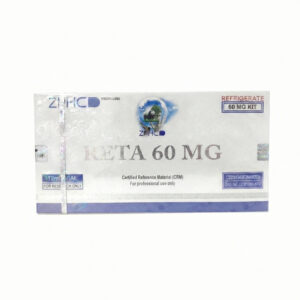
Reta ZPHC — 60 mg (5 Vials × 12 mg): Retatrutide Research Overview
Reta ZPHC — 60 mg (5 vials × 12 mg) is a product name associated with retatrutide, an investigational compound currently being studied for its potential effects on body weight, glucose regulation, and broader metabolic health. For people researching ZPHC, retatrutide, and emerging metabolic compounds, understanding the scientific status of the molecule is essential before considering any product described as containing retatrutide.
Retatrutide, also known as LY3437943, is being developed by Eli Lilly as a once-weekly investigational triple hormone receptor agonist. Unlike conventional GLP-1 receptor agonists, retatrutide activates the GIP, GLP-1, and glucagon receptors. This distinctive mechanism has made it an important subject of ongoing metabolic-health research.
What Is Reta ZPHC 60 mg?
The designation Reta ZPHC 60 mg (5 vials × 12 mg) describes a product presentation containing five 12 mg vials, for a stated total of 60 mg. However, the name or packaging of a product should not be interpreted as proof that it contains authentic pharmaceutical retatrutide.
This distinction is particularly important because retatrutide has not been approved by the FDA. Eli Lilly states that the compound remains investigational and is currently being evaluated through clinical trials.
For consumers researching ZPHC retatrutide, product identity, regulatory status, manufacturing controls, testing documentation, and authenticity are therefore important considerations.
Retatrutide and Triple-Receptor Activity
Retatrutide is scientifically notable because it targets three hormone receptors simultaneously:
- GIP receptor
- GLP-1 receptor
- Glucagon receptor
This combination is why retatrutide is commonly described as a triple agonist. Eli Lilly specifically notes that “GLP-3” is an informal term and that triple agonist is the more scientifically accurate description.
The mechanism has generated substantial interest in metabolic research because each receptor contributes to different physiological pathways associated with glucose metabolism, appetite regulation, and energy balance.
What Research Has Found So Far
Clinical research has produced significant findings, although these results should not be confused with an approved treatment indication.
In the Phase 3 TRIUMPH-1 study, participants receiving 12 mg of investigational retatrutide experienced an average weight reduction of 28.3% at 80 weeks, according to Eli Lilly’s May 2026 announcement. The same announcement reported that 45.3% of participants receiving that dose achieved at least 30% weight loss.
Additional Phase 3 research has evaluated retatrutide in people with obesity or overweight alongside conditions including type 2 diabetes and cardiovascular disease. In TRIUMPH-2, participants receiving 12 mg experienced an average 20.8% weight reduction at 80 weeks, while the study also reported improvements in A1C.
These results are promising from a research perspective, but they do not mean that an independently sold retatrutide product is approved, equivalent to the clinical-trial material, or appropriate for personal use.
Reta ZPHC and Metabolic-Health Research
Searches for terms such as Reta ZPHC, ZPHC retatrutide, retatrutide 60 mg, and retatrutide 12 mg vial reflect growing interest in emerging metabolic compounds.
However, prospective users should distinguish between:
- An investigational compound being evaluated in controlled clinical research.
- A commercially marketed product claiming to contain the same compound.
- An FDA-approved prescription medicine.
These categories are not interchangeable.
Eli Lilly currently states that retatrutide is not approved by the FDA or any other regulatory organization and warns that products sold outside clinical trials may contain incorrect ingredients, impurities, contaminants, or incorrect quantities of active substance.
Why Product Verification Matters
One of the biggest concerns surrounding unapproved online products is uncertainty. Packaging, labels, vial sizes, and product names alone cannot establish identity, purity, sterility, concentration, or manufacturing quality.
A product advertised as Reta ZPHC — 60 mg (5 vials × 12 mg) should therefore not automatically be assumed to contain pharmaceutical-grade retatrutide.
Consumers researching the compound should look for transparent information about:
- Manufacturer identity
- Regulatory status
- Independent laboratory documentation
- Batch or lot identification
- Analytical testing
- Ingredient identity
- Storage requirements
- Manufacturing standards
- Authenticity verification
Even when laboratory documentation is presented online, it should be evaluated carefully because a certificate or test report does not necessarily establish that the specific product received by a consumer is authentic or clinically suitable.
Is Retatrutide FDA Approved?
No. As of October 2026, retatrutide remains an investigational medicine and has not received FDA approval. Eli Lilly continues to evaluate it in Phase 3 clinical trials.
Lilly has reported positive results across multiple Phase 3 studies and has stated plans to submit a Biologics License Application to the FDA in 2027. That future regulatory submission does not constitute approval today.
This is an important distinction for anyone searching online for ZPHC Reta, Reta ZPHC 60 mg, or other retatrutide-related products in the United States.
Potential Research Areas
Current retatrutide research encompasses several areas of metabolic health. Clinical programs have investigated obesity and overweight, type 2 diabetes, cardiovascular disease, knee osteoarthritis pain, obstructive sleep apnea, and other obesity-associated conditions.
The breadth of this research demonstrates why retatrutide has attracted considerable scientific attention. Nevertheless, research findings should always be interpreted in the context of the specific clinical trial, participant population, dosage studied, duration, and endpoints.
Reta ZPHC 60 mg Product Information
Product name: Reta ZPHC
Stated total amount: 60 mg
Stated presentation: 5 vials × 12 mg
Compound associated with the name: Retatrutide / LY3437943
Research classification: Investigational
FDA approval: Not approved
Developer of retatrutide: Eli Lilly
Mechanism under investigation: GIP, GLP-1, and glucagon receptor agonism
The specifications above describe the stated product presentation and the scientific status of retatrutide; they should not be interpreted as verification of the contents or quality of a particular commercially marketed product.
Important Safety and Regulatory Information
Retatrutide is not currently an FDA-approved medicine. Eli Lilly advises that individuals should not take products claiming to be retatrutide outside Lilly-sponsored clinical trials.
The FDA explains that investigational drugs can generally be accessed through participation in a clinical trial or, in certain circumstances, through an authorized expanded-access program.
For that reason, anyone researching Reta ZPHC 60 mg, retatrutide, or related metabolic compounds should consult an appropriately licensed healthcare professional and verify the current regulatory status before making decisions about use.
Reta ZPHC: A Closely Watched Investigational Compound
The scientific interest surrounding retatrutide is understandable. Its triple-receptor mechanism and results from Phase 3 studies have made it one of the most closely watched investigational compounds in metabolic medicine.
At the same time, the negative side of purchasing unapproved products is uncertainty: consumers may have no reliable way to confirm identity, concentration, sterility, or manufacturing quality. This makes regulatory awareness and product verification particularly important.
For anyone searching for ZPHC, Reta ZPHC, or retatrutide 60 mg, the most reliable approach is to distinguish verified clinical research from online marketing claims and to rely on current regulatory and medical information.
Note: This content is for informational and SEO purposes and does not constitute medical advice, a treatment recommendation, or verification that any specific commercial product contains retatrutide.
Be the first to review “Reta ZPHC — 60 mg (5 vials × 12 mg)”
Related products
Injectable steroids
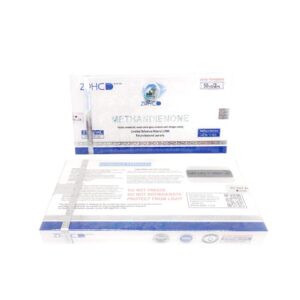
Methandienone Injectable ZPHC — 25 mg/ml (10 ampoules × 2 ml)
Injectable steroids
Injectable steroids
Injectable steroids
Injectable steroids
Fat Burners
Fat Burners
Reviews
There are no reviews yet.