

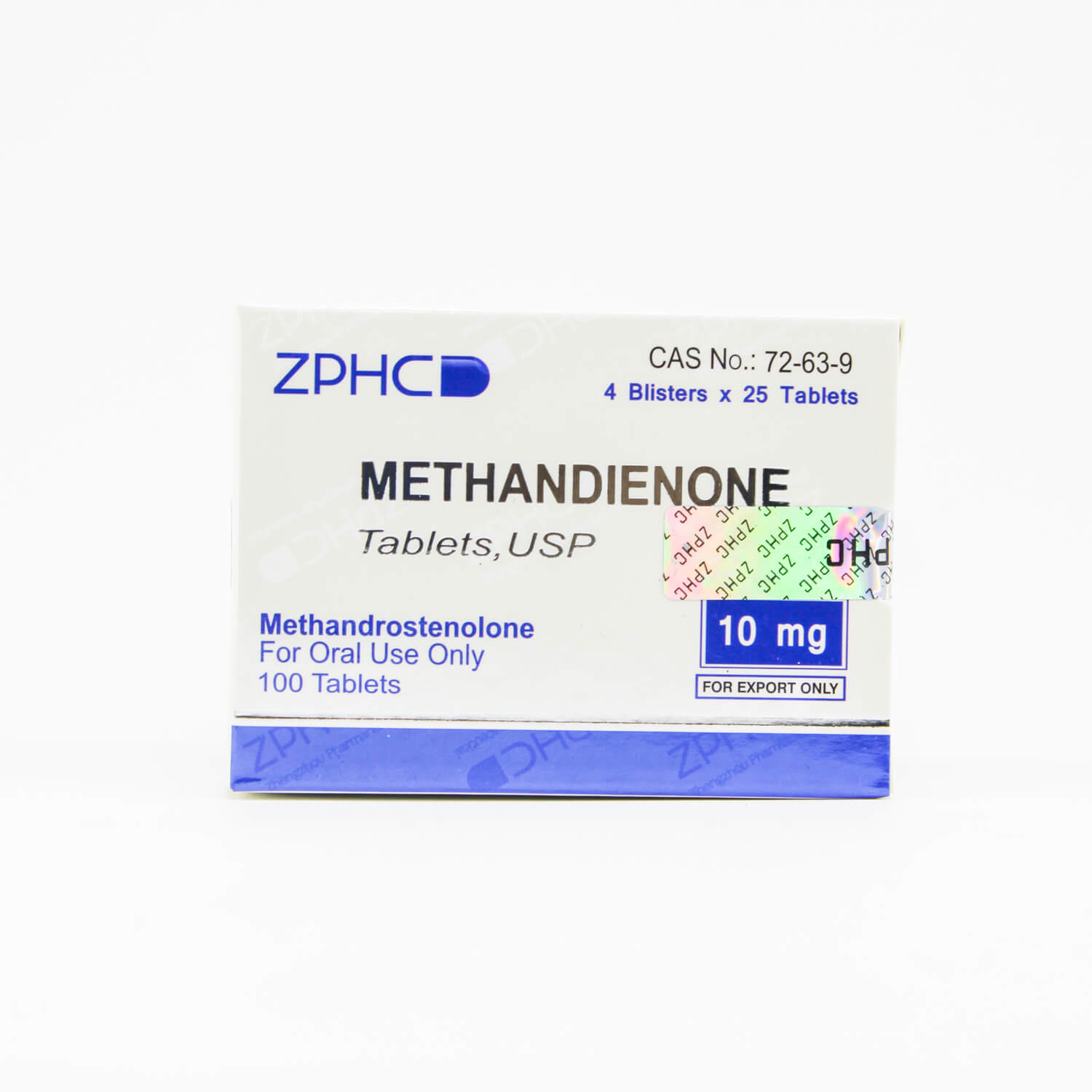
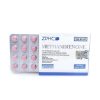
Methandienone 10 mg ZPHC | USA Information Guide
Overview of Methandienone
Methandienone, also known as methandrostenolone and commonly associated with the historical name Dianabol, is a synthetic anabolic-androgenic steroid. The U.S. Food and Drug Administration’s substance database identifies methandienone/methandrostenolone and classifies it among anabolic steroids.
The 10 mg designation refers to the amount stated on the product label. However, a labeled strength should not be interpreted as evidence that a particular commercial product has been evaluated, approved, or determined to be safe by the FDA.
For consumers in the United States, understanding the regulatory status and potential risks of methandienone is especially important before considering any product containing this substance.
Methandienone and U.S. Regulatory Status
Methandienone is listed by the U.S. Drug Enforcement Administration as an anabolic steroid under Schedule III of the Controlled Substances Act. DEA materials identify methandienone by its chemical name and the commonly associated names Dianabol and Metabolina.
DEA explains that Schedule III substances have a lower potential for abuse than Schedule I or II substances but remain controlled substances under federal law. The agency also specifically identifies anabolic steroids and testosterone among Schedule III substances.
This regulatory distinction is important for anyone searching online for terms such as “methandienone 10 mg USA,” “methandienone tablets,” “methandrostenolone,” or “ZPHC methandienone.” Search availability does not establish legal authorization, FDA approval, product authenticity, or manufacturing quality.
Why Product Verification Matters
Online listings for anabolic steroids can create significant uncertainty about manufacturing standards, ingredient identity, concentration, labeling, and storage conditions. FDA warns consumers about products marketed with drug-like effects and emphasizes that products sold outside appropriate regulatory channels may present substantial health risks.
A product page should therefore distinguish between a manufacturer’s or seller’s marketing claims and information independently established by U.S. regulatory authorities.
Important questions for consumers include:
- Is the substance legally authorized for the intended use?
- Has the specific finished product been evaluated by the FDA?
- Is the stated ingredient concentration independently verified?
- Is the source operating within applicable U.S. controlled-substance requirements?
- Does the labeling accurately identify the active ingredient?
- Are there appropriate warnings and contraindications?
- Is professional medical guidance available?
These questions are more important than marketing claims about strength, performance, or rapid results.
Understanding the 10 mg Label
A “10 mg” label describes the amount claimed by the product’s labeling. It does not by itself verify the contents of a tablet or guarantee that the stated concentration is accurate.
Consumers should be particularly cautious when an online listing uses phrases such as “premium,” “maximum strength,” “guaranteed results,” or “laboratory quality” without providing independently verifiable documentation.
FDA has repeatedly cautioned consumers about products marketed with pharmaceutical-like claims and products sold through channels that do not provide appropriate regulatory safeguards.
Potential Health Concerns
Methandienone belongs to the anabolic-steroid category. DEA explains that anabolic steroids are synthetic variants of testosterone that may be abused in attempts to increase muscle growth, athletic performance, or physical appearance.
Non-medical anabolic-steroid use can involve significant health concerns. Risks associated with anabolic steroids can include cardiovascular, hormonal, hepatic, and reproductive effects. The seriousness of potential adverse effects can depend on the substance, amount, duration of exposure, individual characteristics, and whether multiple substances are used together.
The absence of an immediate adverse reaction should not be interpreted as evidence that continued use is safe.
Methandienone Search Terms and Product Information
People researching this compound may encounter several names, including:
- Methandienone
- Methandrostenolone
- Metandienone
- Dianabol
- Methandienone 10 mg
- Methandrostenolone 10 mg
- Anabolic steroid
- Oral anabolic steroid
The FDA substance database confirms several of these names as synonyms or mappings for methandrostenolone/methandienone.
These terms can help consumers distinguish the substance from similarly named compounds when reviewing scientific or regulatory information.
USA Consumer Considerations
Consumers searching for methandienone products in the United States should verify applicable federal and state requirements rather than relying solely on an online product listing.
DEA states that controlled substances are regulated according to their medical use, abuse potential, and safety or dependence considerations.
Consequently, the phrase “USA domestic” should not automatically be interpreted as meaning that a product is FDA-approved, legally authorized for sale, or manufactured according to FDA-approved pharmaceutical standards.
Likewise, a website describing itself as an “official website” does not independently establish regulatory approval or product authenticity.
Responsible Product Research
A responsible informational page should focus on verifiable facts rather than promising specific physical or athletic outcomes.
Before considering any controlled anabolic steroid, consumers should discuss the substance with a qualified healthcare professional who can review individual risks, existing medications, and appropriate alternatives.
Anyone who experiences concerning symptoms after using an anabolic steroid should seek appropriate medical attention rather than attempting to manage potentially serious complications through additional products.
Frequently Asked Questions
What is methandienone?
Methandienone, also called methandrostenolone or metandienone, is a synthetic anabolic-androgenic steroid. The FDA substance database identifies methandienone and methandrostenolone as names associated with the substance.
Is methandienone a controlled substance in the United States?
DEA materials identify methandienone as a Schedule III controlled substance under the anabolic-steroid provisions of the Controlled Substances Act.
Does “10 mg” mean the product is FDA approved?
No. A dosage or strength printed on a label does not establish FDA approval of the specific finished product.
Is methandienone the same as Dianabol?
Dianabol is one of the names associated with methandienone/methandrostenolone in U.S. regulatory references.
Should consumers rely on online seller claims?
Consumers should independently verify regulatory information and avoid assuming that marketing claims establish safety, authenticity, effectiveness, or legal authorization. FDA specifically warns about potentially dangerous products marketed with drug-like claims.
Final Takeaway
Methandienone 10 mg is a product category that requires careful attention to identity, labeling, regulatory status, and health risks. Methandienone is recognized by FDA’s substance database and is identified by DEA as a Schedule III anabolic steroid.
For U.S. consumers, accurate regulatory information and professional medical guidance are more reliable than promotional claims about performance, physique changes, or product quality. A careful, evidence-based approach can help reduce the risks associated with unidentified or improperly marketed anabolic-steroid products.
Be the first to review “Methandienone 10 mg ZPHC | USA Domestic”
Related products
Oral Steroids
Oral Steroids
Oral Steroids
Injectable steroids
Boldenone Undecylenate ZPHC — 300 mg/ml (10 ampoules × 2 ml)
Injectable steroids
Oral Steroids
Reviews
There are no reviews yet.