

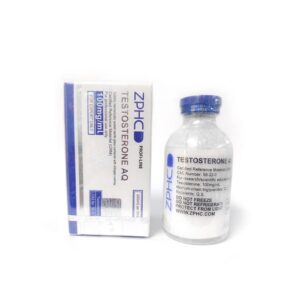
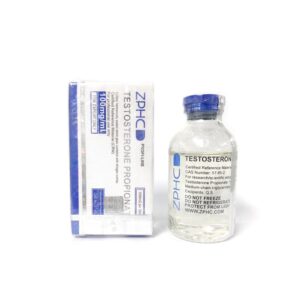
Testosterone AQ ZPHC — 100 mg/ml (30 ml)
Focus Keyword: ZPHC
Testosterone AQ ZPHC — 100 mg/ml (30 ml) is a testosterone-based injectable product presented in a 30 ml format at a stated concentration of 100 mg/ml. For anyone researching ZPHC testosterone, understanding the active ingredient, intended medical use, product labeling, and potential risks is essential before considering any testosterone therapy.
Testosterone is an androgen hormone involved in numerous physiological processes, including the development and maintenance of male reproductive tissues, secondary sex characteristics, muscle-related processes, bone health, and red blood cell production. Prescription testosterone therapies are generally used when a qualified healthcare professional has diagnosed a medical condition associated with testosterone deficiency.
Because testosterone products can have significant effects throughout the body, they should not be approached like ordinary wellness supplements. The FDA-approved labeling for testosterone products emphasizes appropriate patient selection, monitoring, contraindications, and potential adverse effects.
What Is Testosterone AQ ZPHC?
Testosterone AQ ZPHC — 100 mg/ml (30 ml) refers to a product identified with the ZPHC name and a stated testosterone concentration of 100 mg per milliliter. The precise ester, excipients, manufacturing status, and regulatory status of a particular product should always be verified from its current packaging and authoritative documentation rather than assumed from the product name alone.
Testosterone itself is the principal androgen responsible for many aspects of male physiological development. FDA information identifies testosterone cypionate, for example, as a testosterone ester used in prescription testosterone replacement therapy for certain conditions associated with deficient or absent endogenous testosterone.
Importantly, not every testosterone-labeled product has the same formulation, ester, concentration, approval status, or intended use. Buyers and patients should therefore verify the exact active ingredient and regulatory information for the individual product.
ZPHC Testosterone: Understanding the 100 mg/ml Strength
The stated concentration of this product is 100 mg/ml. Concentration describes the amount of active testosterone or testosterone ester specified per milliliter of solution; it should not be confused with an individualized treatment dose.
Prescription testosterone dosing is determined according to the specific medicine, indication, laboratory results, patient characteristics, and healthcare-provider instructions. It is not appropriate to infer a personal dose from a product’s concentration alone.
For comparison, FDA documentation for approved testosterone cypionate products includes a 100 mg/ml strength, demonstrating that this concentration exists among prescription testosterone formulations. However, that does not establish that a particular ZPHC product is FDA-approved or equivalent to an approved prescription product.
Intended Medical Context
Testosterone replacement therapy may be prescribed for adult males with documented testosterone deficiency associated with an appropriate underlying medical condition. FDA labeling for testosterone products describes testosterone replacement as treatment for conditions involving deficient or absent endogenous testosterone.
A proper evaluation may involve symptoms, medical history, physical examination, and laboratory testing. Testosterone therapy should be individualized rather than used simply because someone wants increased muscle mass, athletic performance, or cosmetic changes.
The distinction is important because FDA labeling specifically notes that testosterone products are not established as safe and effective for enhancing athletic performance.
Potential Effects of Testosterone
Testosterone and androgen therapy can influence multiple biological systems. Testosterone contributes to normal development and maintenance of male reproductive tissues and secondary sex characteristics. Androgens can also influence muscle-related physiology, fat distribution, bone development, and red blood cell production.
These biological effects explain why medically supervised testosterone replacement can be valuable for appropriately diagnosed patients. They also explain why unsupervised use can create substantial risks.
A positive outcome from medically indicated testosterone therapy depends on appropriate diagnosis, suitable treatment selection, laboratory monitoring, and ongoing professional supervision—not simply on selecting a particular product or concentration.
Important Safety Information
Testosterone is a potent hormonal medication, and safety considerations deserve prominent attention.
FDA labeling identifies polycythemia, or an increase in red blood cell mass, as an important potential concern with testosterone therapy. Hematocrit may need to be checked before and during treatment because excessive increases can contribute to thromboembolic risk.
Testosterone therapy can also affect the prostate. FDA labeling recommends appropriate evaluation and monitoring, particularly for patients with benign prostatic hyperplasia or relevant prostate-cancer concerns.
Other potential adverse effects and risks can vary according to the specific testosterone formulation, patient, dosage, and duration of therapy. These considerations make professional supervision especially important.
Who Should Exercise Particular Caution?
Testosterone products are not appropriate for everyone. Specific contraindications depend on the formulation, but FDA-approved testosterone labeling includes important restrictions involving certain prostate and breast cancers and pregnancy.
People with cardiovascular, hepatic, renal, prostate, hematological, or other medical conditions should discuss testosterone treatment with a qualified healthcare professional before use.
Individuals should also disclose other medications and supplements they are taking because testosterone can interact with broader medical management.
Monitoring Matters
Responsible testosterone therapy involves more than obtaining an injectable product. Healthcare professionals may monitor testosterone concentrations and other relevant laboratory parameters based on the specific treatment plan.
Monitoring can help identify unwanted changes and determine whether treatment remains appropriate. For example, hematocrit monitoring is specifically emphasized in FDA testosterone labeling because testosterone-associated increases in red blood cell mass can become clinically significant.
Patients should report concerning symptoms promptly rather than changing treatment independently.
ZPHC Product Research and Verification
When researching ZPHC testosterone, product verification should be a priority. Check the exact product name, active ingredient or ester, concentration, lot information, expiration date, packaging, manufacturer information, and applicable regulatory documentation.
Do not assume that two testosterone products are interchangeable merely because they have similar concentrations. Different esters and formulations can have different pharmacokinetic properties and labeling requirements.
For products intended for injection, sterility and proper handling are particularly important. Injectable medicines carry risks associated with contamination and improper administration, making professional medical guidance essential.
Testosterone AQ ZPHC — 100 mg/ml (30 ml): Key Product Information
- Product: Testosterone AQ ZPHC
- Stated concentration: 100 mg/ml
- Container size: 30 ml
- Category: Testosterone / androgen product
- Focus keyword: ZPHC
- Administration: Injectable products should only be administered according to appropriate medical instructions
- Primary medical context: Testosterone replacement may be prescribed for appropriately diagnosed testosterone deficiency
- Important consideration: Exact formulation and regulatory status should be verified from current product documentation
Frequently Asked Questions
What is ZPHC testosterone?
ZPHC testosterone refers to testosterone products identified under the ZPHC name. The exact formulation should be confirmed from current packaging and manufacturer documentation rather than inferred from the product name.
What does 100 mg/ml mean?
It describes the stated concentration of the product: 100 milligrams per milliliter. Concentration is not the same thing as an individual’s prescribed dose.
Is testosterone a supplement?
No. Testosterone is a hormone and prescription testosterone products are regulated medicines in the United States. FDA-approved testosterone products have specific indications, labeling, contraindications, and monitoring requirements.
Can testosterone be used for athletic performance?
Testosterone should not be treated as a general performance-enhancement product. FDA labeling states that testosterone has not been shown to be safe and effective for enhancing athletic performance.
Should testosterone therapy be medically monitored?
Yes. Because testosterone can affect blood parameters, the prostate, cardiovascular health, and other physiological systems, appropriate medical evaluation and monitoring are important.
Final Considerations
Testosterone AQ ZPHC — 100 mg/ml (30 ml) is a product that warrants careful research because testosterone is a biologically active hormone rather than an ordinary supplement. Understanding the stated concentration, exact formulation, intended medical use, regulatory status, contraindications, and monitoring requirements can help consumers make informed health decisions.
For anyone researching ZPHC, the most important step is to verify product information through authoritative documentation and consult a qualified healthcare professional before using testosterone therapy. FDA-approved testosterone labeling provides detailed information about indications, contraindications, warnings, and monitoring requirements and should take precedence over promotional claims.
Be the first to review “Testosterone AQ ZPHC — 100 mg/ml (30 ml)”
Related products
Injectable steroids
Injectable steroids
Injectable steroids
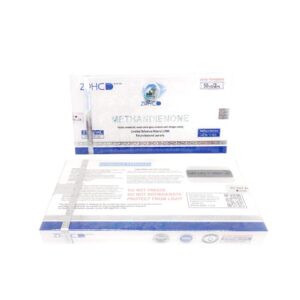
Methandienone Injectable ZPHC — 25 mg/ml (10 ampoules × 2 ml)
Injectable steroids
Injectable steroids
Injectable steroids
Injectable steroids
Injectable steroids
Reviews
There are no reviews yet.