

Overview
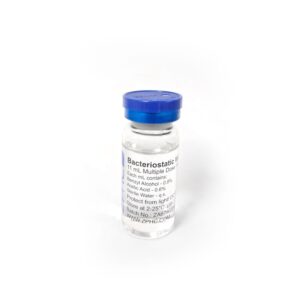
Bacteriostatic Water + Acetic Acid ZPHC is a specialized laboratory solution intended for appropriate research and scientific applications where controlled aqueous solutions and acidic conditions may be required. The combination is designed around two distinct components: bacteriostatic water and acetic acid. Each component has established uses in laboratory environments, but the precise application depends on the research protocol, formulation requirements, and applicable safety procedures.
When evaluating a product such as Bacteriostatic Water + Acetic Acid ZPHC, researchers and laboratory purchasers should prioritize transparent product information, appropriate labeling, packaging integrity, storage requirements, and documented quality controls. These considerations are especially important for laboratory materials that may be used as part of controlled experimental procedures.
The ZPHC product designation can be incorporated into product research and catalog searches, helping laboratories identify the specific material they are evaluating. However, product names alone should not be treated as evidence of suitability for a particular experimental procedure. Always review the manufacturer’s documentation and applicable laboratory requirements before use.
What Is Bacteriostatic Water?
Bacteriostatic water is water formulated with a bacteriostatic preservative intended to inhibit the growth of microorganisms under specified conditions. In laboratory settings, the term describes a particular type of prepared water rather than ordinary purified or distilled water.
Its characteristics can make it relevant to certain research and preparation environments, depending on the requirements of the experiment. Researchers should distinguish bacteriostatic water from sterile water, purified water, distilled water, and other laboratory-grade water products because these materials can have different specifications and intended applications.
For any scientific project, the appropriate water type should be determined by the validated protocol and material specifications rather than by product naming alone.
Understanding Acetic Acid
Acetic acid is an organic acid commonly encountered in chemistry, biological research, analytical procedures, and industrial applications. It can be used to create or maintain acidic conditions in appropriately designed laboratory systems.
The concentration and grade of acetic acid are important factors when determining suitability for research. Different concentrations can have substantially different chemical properties and handling requirements. Consequently, laboratories should verify the concentration, grade, packaging, and safety documentation supplied with a particular product.
Bacteriostatic Water + Acetic Acid ZPHC should therefore be evaluated according to the actual specifications provided for the particular product rather than relying solely on the product title.
Product Characteristics
For laboratory purchasing decisions, several characteristics deserve careful consideration:
- Product identification: Confirm the exact product name and formulation.
- Component information: Review the stated ingredients and concentrations.
- Packaging: Check that the container is appropriately sealed and undamaged.
- Labeling: Verify lot information, dates, and relevant handling information where provided.
- Documentation: Look for available specifications and safety documentation.
- Storage: Follow the manufacturer’s stated storage requirements.
- Intended application: Ensure the material is appropriate for the documented research protocol.
- Quality controls: Consider available information concerning manufacturing and quality assurance.
These factors provide a more reliable basis for evaluating a laboratory material than marketing language alone.
Laboratory and Research Considerations
Laboratory materials should be selected according to the requirements of the procedure in which they will be used. Researchers may need to consider pH, concentration, compatibility, sterility requirements, preservative content, container material, and other characteristics.
A material that is suitable for one experimental application may not be suitable for another. In particular, bacteriostatic preparations should not automatically be treated as interchangeable with sterile preparations simply because both contain water.
Similarly, acetic acid concentration can affect experimental conditions and material compatibility. Researchers should consult validated protocols and technical documentation before incorporating an acidic solution into an experimental workflow.
Quality and Documentation
Reliable documentation is an important part of laboratory procurement. Before purchasing or using Bacteriostatic Water + Acetic Acid ZPHC for research purposes, laboratories should review the available product information and determine whether it meets their internal requirements.
Useful documentation may include product specifications, certificate information where applicable, safety data, lot identification, storage recommendations, and handling instructions.
A transparent product page should make it easier for purchasers to distinguish factual specifications from promotional claims. This approach supports better purchasing decisions and reduces the possibility of selecting a material that does not meet a project’s technical requirements.
Storage and Handling
Storage and handling should always follow the manufacturer’s documentation and the requirements of the laboratory’s safety program. Chemical solutions may require specific environmental conditions, appropriate containment, and controlled access.
Laboratories should also consider compatibility with other materials stored nearby and maintain appropriate records for inventory management. Containers should be inspected before use, particularly when they have been transported or stored for extended periods.
If the packaging appears compromised, mislabeled, contaminated, or otherwise inconsistent with the expected condition, the material should be isolated and evaluated according to the laboratory’s established procedures.
Safety Information
Acetic acid can present chemical hazards depending on its concentration. Appropriate laboratory precautions should therefore be followed, including consultation of the applicable Safety Data Sheet (SDS) and use of suitable personal protective equipment.
Bacteriostatic water should likewise be handled according to its documented specifications and intended purpose. The presence of a bacteriostatic preservative does not mean that every preparation is appropriate for every laboratory or biological application.
This product description is intended for informational and search purposes and does not replace manufacturer documentation, laboratory safety procedures, professional advice, or validated experimental protocols.
Why Product Transparency Matters
A positive laboratory purchasing experience begins with accurate information. Researchers benefit from product pages that clearly distinguish specifications, intended applications, handling considerations, and limitations.
For Bacteriostatic Water + Acetic Acid ZPHC, useful search terms may include ZPHC bacteriostatic water, ZPHC acetic acid, Bacteriostatic Water + Acetic Acid, and laboratory water and acetic acid solution. These keywords can help researchers locate relevant product information while maintaining a clear distinction between research materials and products intended for other applications.
Strong product information should be compelling because it is clear and useful—not because it makes unsupported claims. Accurate specifications, straightforward language, and responsible handling information provide a more valuable resource for laboratory purchasers.
Frequently Asked Questions
What is Bacteriostatic Water + Acetic Acid ZPHC?
It is a product identified by the ZPHC designation that combines bacteriostatic water with acetic acid for specified laboratory or research applications. The precise suitability of the product depends on its documented formulation and the requirements of the intended research procedure.
Is bacteriostatic water the same as sterile water?
No. Bacteriostatic water and sterile water are distinct product categories and can have different formulations, specifications, and intended uses. Researchers should select the material specified by their validated protocol.
What is acetic acid used for in research?
Acetic acid is widely used in chemistry and laboratory research where acidic conditions, pH adjustment, analytical procedures, or other chemical applications are required. Its suitability depends on concentration, grade, and experimental requirements.
How should this product be stored?
Storage should follow the manufacturer’s current product documentation. Researchers should pay particular attention to temperature, light exposure, container integrity, and other conditions specified for the particular product.
What should laboratories verify before purchasing?
Laboratories should verify the product identity, formulation, concentration where applicable, packaging, labeling, lot information, documentation, storage requirements, and compatibility with the intended research application.
Final Considerations
Bacteriostatic Water + Acetic Acid ZPHC is best evaluated as a specialized laboratory material rather than simply by its product name. Researchers should focus on documented specifications, appropriate quality information, safe handling, and compatibility with their validated research procedures.
For laboratories searching for ZPHC products, careful review of the manufacturer’s available documentation can provide a powerful foundation for responsible material selection. Always verify current specifications and intended-use information before incorporating any laboratory solution into an experimental workflow.
Research-use note: This information is provided for general laboratory and research reference. It does not provide instructions for administration to humans or animals and should not be interpreted as a recommendation for such use.
Be the first to review “Bacteriostatic Water + Acetic Acid ZPHC”
Related products
Injectable steroids
Anti-Aging
Injectable steroids
Injectable steroids
Testosterone Propionate ZPHC — 100 mg/ml (10 ampoules × 2 ml)
Injectable steroids
Injectable steroids
Injectable steroids
Reviews
There are no reviews yet.