

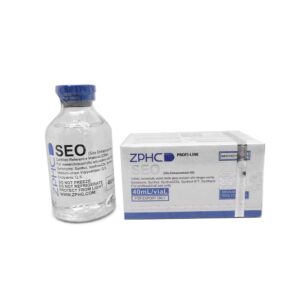
Synthol SEO ZPHC — 40 ml (1 Vial): Safety & Product Information
Overview
Synthol SEO ZPHC — 40 ml (1 vial) is a product associated with site-enhancement use rather than conventional therapeutic treatment. Products marketed as Synthol typically contain an oil-based formulation intended to temporarily alter the appearance or volume of a targeted muscle area. Because injectable site-enhancement products can carry substantial health risks, consumers should carefully evaluate product composition, manufacturing standards, sterility, and intended use before considering them.
For people researching ZPHC products in the USA, understanding what Synthol is—and what it is not—is particularly important. Site-enhancement oil should not be confused with anabolic steroids, medically approved injectable medications, or treatments prescribed for legitimate medical conditions.
What Is Synthol?
Synthol is commonly described as an injectable site-enhancement oil. Unlike anabolic steroids, which are pharmacologically active compounds that affect androgen receptors and related physiological pathways, Synthol is primarily associated with localized physical augmentation.
The apparent increase in muscle size can result from the physical presence of injected oil within tissue. This means that the visual effect does not represent the same process as building additional muscle through resistance training, nutrition, recovery, or medically supervised treatment.
This distinction is an important consideration when evaluating information about Synthol SEO ZPHC 40 ml and similar products.
Understanding the 40 ml Format
The product name references a 40 ml vial. Volume alone, however, does not establish product quality, sterility, safety, or suitability for human use. Consumers researching injectable products should not assume that a stated volume, label, or product photograph verifies manufacturing quality.
For any injectable substance, questions about sterile production, contamination controls, ingredient verification, packaging integrity, and regulatory status are considerably more important than marketing claims.
Potential Risks
The risks associated with injecting site-enhancement oils can be significant. Complications may include inflammation, infection, tissue damage, scarring, persistent lumps, nerve injury, vascular complications, and changes in the appearance of the affected area.
Serious complications can require medical intervention and may have lasting consequences.
One particularly important concern is infection. Introducing a non-sterile substance or using improperly sterilized equipment can allow bacteria to enter tissue or the bloodstream. Severe infections can become medical emergencies.
Another concern is accidental injury to blood vessels or surrounding structures. Injectable substances can also migrate away from the intended area, potentially producing unpredictable cosmetic results.
Because of these concerns, self-injection of site-enhancement oils should not be treated as a routine bodybuilding procedure.
Synthol vs. Muscle-Building Products
A common misconception is that Synthol functions like a conventional bodybuilding compound. It does not.
Traditional resistance training stimulates muscular adaptation over time. Adequate protein intake, progressive training, recovery, and appropriate nutrition can support legitimate improvements in muscle size and strength.
By contrast, site-enhancement oil is associated with localized physical augmentation. Any visible change should therefore not automatically be interpreted as genuine increases in contractile muscle tissue.
This difference is essential for anyone searching online for ZPHC Synthol, bodybuilding injectables, or muscle-enhancement products.
Product Research in the USA
Consumers researching injectable products in the United States should pay close attention to regulatory information and avoid assuming that an online listing constitutes approval for human use.
Before using any injectable substance, consumers should determine:
- What ingredients are actually present.
- Whether the product is manufactured under appropriate quality controls.
- Whether sterility has been independently established.
- Whether the product is legally authorized for its stated purpose.
- Whether the intended use has been evaluated by appropriate medical authorities.
- What documented adverse effects have been reported.
- Whether qualified medical professionals recommend the intended application.
An attractive label or confident marketing statement is not a substitute for independently verifiable safety information.
Why Professional Medical Guidance Matters
Injectable products can behave differently depending on their formulation, injection site, technique, and the individual’s circumstances. A qualified healthcare professional can help explain the potential risks and identify safer alternatives when someone is seeking changes in muscle appearance or body composition.
People who have already injected a site-enhancement oil and subsequently experience severe pain, increasing swelling, redness, warmth, fever, drainage, skin discoloration, numbness, shortness of breath, or other concerning symptoms should seek prompt medical attention.
Safer Approaches to Muscle Development
For individuals whose primary objective is increasing muscle size, evidence-based approaches generally focus on progressive resistance training, adequate nutrition, sufficient protein, hydration, and recovery.
A qualified fitness professional can help develop a structured training program, while a registered dietitian or healthcare professional can provide individualized nutritional guidance.
These approaches may require patience, but they focus on developing actual muscular adaptation rather than relying on injectable site-enhancement oils.
Final Considerations
Synthol SEO ZPHC — 40 ml (1 vial) is best approached as a subject for careful product and safety research rather than a routine bodybuilding supplement. The potential for serious complications makes informed decision-making particularly important.
For anyone researching ZPHC or Synthol-related products in the USA, the most valuable information is objective information about ingredients, regulatory status, manufacturing quality, sterility, risks, and documented safety.
The strongest choice for protecting long-term health is to discuss any planned injectable site-enhancement procedure with a qualified healthcare professional before proceeding. Avoiding unverified injectable products can help reduce the possibility of a preventable and potentially severe complication.
Be the first to review “Synthol SEO ZPHC — 40 ml (1 vial)”
Related products
Injectable steroids
Anti-Aging
Injectable steroids
Methandienone Injectable ZPHC — 25 mg/ml (10 ampoules × 2 ml)
Injectable steroids
Injectable steroids
Testosterone Undecanoate ZPHC — 250 mg/ml (10 ampoules × 2 ml)
Injectable steroids
Reviews
There are no reviews yet.