

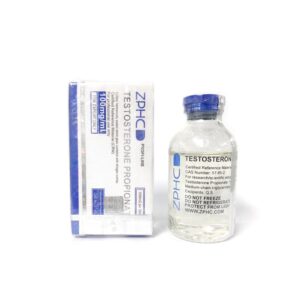
Testosterone Propionate 100mg/30ml: Product Overview
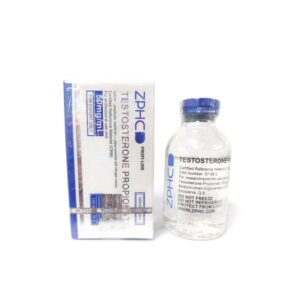
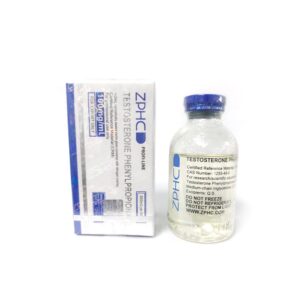
Testosterone propionate is a short-acting form of testosterone used in certain medical settings to provide testosterone replacement when clinically appropriate. The product described here is labeled Testosterone Propionate 100mg/30ml ZPHC. Because testosterone products are prescription medicines in the United States, their use should be determined by a qualified healthcare professional following an appropriate medical evaluation.
For people researching ZPHC Testosterone Propionate, understanding the active ingredient, formulation, potential benefits, limitations, and safety profile is more important than relying solely on product marketing. Testosterone therapy can produce meaningful physiological effects, but it can also involve significant risks and requires appropriate medical supervision.
What Is Testosterone Propionate?
Testosterone propionate is an esterified form of testosterone. The propionate ester affects how testosterone is released and metabolized after administration. Compared with some longer-acting testosterone esters, testosterone propionate generally has a shorter duration of action.
Testosterone is an androgenic hormone naturally produced by the body. It contributes to numerous physiological processes, including maintenance of muscle and bone, production of red blood cells, sexual development and function, and other androgen-dependent functions.
A prescription testosterone product should not be treated as an ordinary nutritional supplement or general-purpose performance product.
Understanding the 100mg/30ml Label
The 100mg/30ml designation describes the labeled concentration and total liquid volume of the product. Product labeling should always be checked carefully because concentrations, packaging, ingredients, manufacturing standards, and regulatory status can differ between products and markets.
Consumers should verify the original packaging, prescribing information, manufacturer information, and regulatory status before considering any testosterone medicine.
Potential Medical Uses
Testosterone replacement therapy may be prescribed for appropriately evaluated patients with certain forms of testosterone deficiency. A healthcare professional generally considers symptoms together with laboratory testing and the individual’s medical history before determining whether treatment is appropriate.
Treatment decisions can depend on:
- Testosterone laboratory results
- Relevant symptoms
- Age and medical history
- Existing medications
- Cardiovascular risk factors
- Fertility considerations
- Prostate health
- Blood-count measurements
- Other endocrine or medical conditions
Testosterone should not be used simply because someone wants to increase muscle mass, athletic performance, energy, or appearance without medical assessment.
Important Safety Information
Testosterone therapy can cause adverse effects and is not appropriate for everyone. Possible concerns can include changes in red blood cell count, acne, fluid retention, changes in cholesterol levels, mood or behavioral changes, reduced sperm production, and suppression of the body’s natural testosterone production.
Testosterone administration can also affect fertility. Individuals who are planning to have children should discuss this issue with a healthcare professional before beginning testosterone treatment.
Medical supervision is particularly important for people with relevant cardiovascular, prostate, hematologic, endocrine, or other health considerations.
Why Professional Medical Guidance Matters
A powerful hormone therapy deserves careful evaluation rather than casual experimentation. Testosterone levels naturally vary, and symptoms associated with low testosterone can have many possible causes. A clinician can help determine whether testosterone deficiency is actually present and whether another condition could explain the symptoms.
Where testosterone therapy is prescribed, follow-up monitoring may be used to evaluate treatment response and identify potential complications. Depending on the patient’s circumstances, clinicians may monitor testosterone levels, blood counts, and other relevant laboratory or clinical measures.
Patients should follow the exact instructions provided by their prescribing professional and the approved product labeling.
Testosterone Propionate Compared With Other Testosterone Esters
Testosterone propionate differs from longer-acting testosterone esters primarily in its pharmacokinetic characteristics. The ester attached to testosterone influences how quickly the compound is released and cleared.
This distinction is important because different testosterone formulations can have different administration schedules, duration of effect, and monitoring considerations.
The appropriate formulation depends on the clinical situation rather than on which product appears strongest or produces the fastest perceived effect.
Product Quality and Authenticity Considerations
When researching a testosterone product online, consumers should be cautious about claims involving potency, purity, guaranteed results, or performance enhancement. An online listing does not by itself establish that a product has been manufactured, tested, stored, and distributed according to applicable pharmaceutical standards.
Important information to evaluate includes:
- Manufacturer identity
- Product labeling
- Lot or batch information
- Expiration date
- Storage requirements
- Regulatory authorization
- Prescription requirements
- Appropriate professional oversight
- Verified pharmaceutical supply-chain information
Products obtained from unauthorized sources can present additional risks because the actual contents, concentration, sterility, and manufacturing conditions may not be independently verified.
Testosterone Propionate and Athletic Performance
Testosterone and other anabolic-androgenic substances are associated with performance-enhancing use, but that does not make unsupervised use safe. Non-medical use can expose individuals to hormonal, cardiovascular, reproductive, and other health risks.
Competitive athletes should also be aware that testosterone is prohibited under many anti-doping rules. Athletes subject to testing should consult the applicable anti-doping organization and current prohibited-substance rules.
Storage and Handling
Storage requirements should be determined from the authorized product labeling supplied with the medicine. Users should not assume that every testosterone formulation has identical storage requirements.
Medication should be kept away from children and handled according to professional and manufacturer instructions. Any damaged, improperly labeled, expired, or questionable product should be discussed with a pharmacist or healthcare professional rather than used.
Frequently Asked Questions
What is ZPHC Testosterone Propionate?
ZPHC Testosterone Propionate 100mg/30ml refers to a testosterone propionate product identified by the ZPHC name and a labeled 100mg/30ml concentration. The exact regulatory status and authenticity of an individual product should be independently verified.
Is testosterone propionate a supplement?
No. Testosterone is a hormone and testosterone medicines are prescription drugs in the United States. It should not be presented as an ordinary dietary supplement.
Who should determine whether testosterone is appropriate?
A qualified healthcare professional should determine whether testosterone treatment is medically appropriate after reviewing symptoms, laboratory results, medical history, and relevant risks.
Can testosterone affect fertility?
Yes. Testosterone therapy can suppress natural testosterone production and reduce sperm production. Fertility considerations should therefore be discussed with a healthcare professional before treatment.
Does testosterone therapy require monitoring?
Yes. Appropriate monitoring can be an important part of testosterone treatment. The specific tests and follow-up schedule depend on the individual’s treatment and medical circumstances.
Final Considerations
Testosterone Propionate 100mg/30ml ZPHC is best understood as a testosterone-propionate formulation rather than a conventional supplement or general wellness product. Anyone researching ZPHC or testosterone propionate should prioritize verified pharmaceutical information, legitimate medical guidance, appropriate laboratory evaluation, and lawful access.
For U.S. consumers, the safest approach is to discuss testosterone therapy with a licensed healthcare professional and obtain prescription medicines through an appropriately regulated pharmacy or healthcare system. Avoid relying on online claims promising dramatic or guaranteed results.
This information is educational and does not replace professional medical advice, diagnosis, or treatment.
Be the first to review “Testosterone Propionate 100mg 30ml ZPHC”
Related products
Injectable steroids
Profi-Line (30 ML)
Profi-Line (30 ML)
Injectable steroids
Injectable steroids
Injectable steroids
Profi-Line (30 ML)
Injectable steroids
Reviews
There are no reviews yet.