

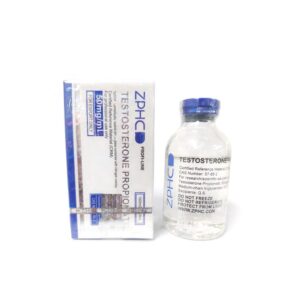
Testosterone Propionate ZPHC: Product Overview
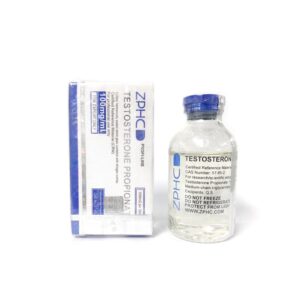
Testosterone Propionate is a short-acting testosterone ester designed to release testosterone into the body after administration. ZPHC Testosterone Propionate — 50 mg/ml (30 ml) is identified by its stated concentration and container volume, making accurate product information particularly important for anyone researching testosterone-based medicines.
Testosterone is an androgen hormone involved in numerous physiological processes, including maintenance of muscle and bone tissue, red blood cell production, sexual development, and reproductive function. Testosterone preparations can be prescribed in specific medical circumstances, but they are not appropriate for everyone and should be used only under qualified medical supervision.
For consumers researching ZPHC, understanding the active ingredient, ester characteristics, potential risks, and regulatory considerations is more important than relying solely on marketing claims. Product labeling, authenticity, storage requirements, and applicable U.S. regulations should always be verified before considering any testosterone medication.
What Is Testosterone Propionate?
Testosterone Propionate is testosterone chemically attached to a propionate ester. The ester affects how quickly testosterone is released after administration compared with other testosterone formulations.
Because Testosterone Propionate is generally considered a relatively shorter-acting testosterone ester, healthcare professionals may consider its pharmacokinetic characteristics when selecting a testosterone formulation for an appropriate patient.
The stated product specification is:
- Product: Testosterone Propionate ZPHC
- Concentration: 50 mg/ml
- Listed volume: 30 ml
- Active compound: Testosterone Propionate
- Category: Testosterone/androgen medication
- Administration: Injectable formulation, where medically authorized
- Primary consideration: Use under qualified medical supervision
The numerical concentration should not be interpreted as a recommended dose. Appropriate dosing depends on the individual, diagnosis, laboratory results, formulation, and instructions provided by a licensed healthcare professional.
Testosterone and Its Biological Role
Testosterone naturally occurs in the human body and contributes to several important biological functions. In males, it plays a central role in sexual development and reproductive function. Testosterone also contributes to muscle maintenance, bone health, red blood cell production, and overall androgenic activity.
When clinically significant testosterone deficiency has been properly diagnosed, testosterone replacement therapy may be considered by a healthcare professional. Diagnosis generally involves assessment of symptoms together with appropriate laboratory testing rather than relying on symptoms alone.
This distinction is important because testosterone products are not general-purpose performance enhancers or wellness supplements. Using testosterone without an appropriate medical indication can expose a person to significant adverse effects.
Understanding the 50 mg/ml Concentration
The notation 50 mg/ml describes the amount of testosterone propionate contained in each milliliter of the stated preparation. The listed 30 ml container therefore represents the product’s labeled total volume.
Concentration and dose are different concepts. A higher or lower concentration does not automatically determine how much medication a person should use. Medical dosing must be determined from the specific prescription and clinical circumstances.
Anyone handling an injectable testosterone product should carefully compare the container label with the prescription and instructions supplied by a qualified healthcare professional.
Potential Medical Uses
Testosterone medicines may be prescribed for appropriately diagnosed conditions involving testosterone deficiency. Treatment decisions can depend on symptoms, repeated laboratory measurements, age, medical history, reproductive considerations, and potential contraindications.
Testosterone therapy should not be started simply because someone wants increased muscle mass, improved athletic performance, or faster physical changes. Those uses can involve substantial medical and legal concerns.
A healthcare professional can determine whether testosterone treatment is clinically appropriate and whether another formulation may be more suitable.
Potential Benefits When Medically Appropriate
For patients with confirmed testosterone deficiency who are appropriately selected for treatment, medically supervised testosterone therapy may help address certain symptoms associated with low testosterone.
Potential therapeutic effects can include improvement in testosterone-dependent physiological functions. However, outcomes vary between individuals, and treatment is not guaranteed to produce a particular physical or athletic result.
The goal of medically supervised treatment is to address a legitimate medical need while monitoring testosterone concentrations and potential adverse effects.
Important Safety Considerations
Testosterone medications can cause significant adverse effects. Potential concerns may include changes in blood pressure, increased red blood cell production, acne, oily skin, changes in mood, changes in cholesterol levels, reduced sperm production, testicular changes, and suppression of the body’s natural testosterone production.
Testosterone can also affect fertility. Individuals who are planning to have children should discuss reproductive goals with a healthcare professional before beginning testosterone treatment.
Because androgen therapy can influence multiple physiological systems, ongoing medical monitoring may be necessary.
Who Should Exercise Particular Caution?
People with certain medical conditions may require additional evaluation before testosterone therapy is considered. Relevant considerations can include prostate-related conditions, cardiovascular risk factors, elevated hematocrit, fertility plans, sleep-related breathing disorders, and other health conditions.
The appropriate screening and monitoring requirements depend on the individual and the treatment indication.
Never assume that a product is medically appropriate solely because it is labeled as testosterone.
Authenticity and Product Quality
When researching ZPHC Testosterone Propionate, product authenticity and quality are important considerations. Injectable products can present additional risks when their manufacturing conditions, sterility, concentration, or ingredients cannot be independently verified.
A product’s appearance alone cannot establish its identity, purity, sterility, or potency.
Consumers should rely on legitimate medical and pharmaceutical channels, verify labeling, and consult a qualified healthcare professional rather than relying on unverified online claims.
Testosterone Propionate Compared With Other Testosterone Esters
Testosterone Propionate differs from longer-acting testosterone esters primarily because the ester influences the release characteristics of testosterone.
Other testosterone formulations may remain active for different periods and may therefore have different dosing schedules and monitoring considerations.
There is no universally appropriate testosterone formulation for every patient. The selection depends on the medical indication, patient preferences, clinical response, treatment goals, and professional judgment.
Why Professional Monitoring Matters
Testosterone treatment is not simply a matter of selecting a product concentration. Appropriate treatment can involve baseline evaluation and periodic monitoring.
Depending on the patient’s circumstances, healthcare professionals may evaluate testosterone levels, hematocrit, blood pressure, symptoms, reproductive goals, and other relevant health markers.
Monitoring can help identify adverse effects and determine whether treatment remains appropriate.
Responsible Product Research
Searches such as “Testosterone Propionate ZPHC,” “ZPHC Testosterone Propionate 50 mg/ml,” and “Testosterone Propionate 30 ml” can return a mixture of educational information, commercial listings, and user-generated claims.
Consumers should distinguish factual product specifications from unsupported claims about bodybuilding, weight loss, athletic performance, or guaranteed results.
A particularly important warning sign is marketing that minimizes potential adverse effects or presents prescription testosterone as risk-free.
Final Considerations
Testosterone Propionate ZPHC — 50 mg/ml (30 ml) refers to a testosterone propionate injectable formulation identified by its stated concentration and volume. Testosterone is a biologically active hormone with legitimate medical applications, but it also carries meaningful risks and requires appropriate clinical oversight.
The safest approach to testosterone therapy is to obtain an accurate diagnosis, discuss treatment options with a licensed healthcare professional, verify the legitimacy and quality of any prescribed medication, and follow the prescribed instructions precisely.
For U.S. consumers, regulatory status, prescription requirements, product authenticity, and applicable state and federal laws should also be considered. Rather than relying on promotional claims, prioritize authoritative medical information and professional guidance when evaluating testosterone products.
Be the first to review “Testosterone Propionate ZPHC — 50 mg/ml (30 ml)”
Related products
Injectable steroids
Profi-Line (30 ML)
Injectable steroids
Profi-Line (30 ML)
Injectable steroids
Boldenone Undecylenate ZPHC — 200 mg/ml (10 ampoules × 2 ml)

Injectable steroids
Boldenone Undecylenate ZPHC — 300 mg/ml (10 ampoules × 2 ml)
Injectable steroids
Reviews
There are no reviews yet.