

Testosterone Phenylpropionate ZPHC: Product Information
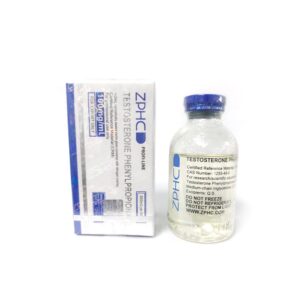
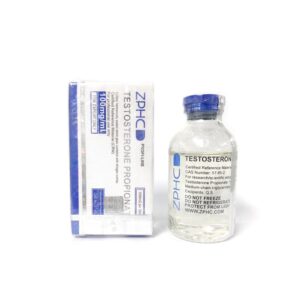
Testosterone Phenylpropionate is a testosterone ester formulation that has been discussed in medical, pharmacological, and bodybuilding contexts. ZPHC Testosterone Phenylpropionate — 100 mg/ml (30 ml) refers to a product labeled with testosterone phenylpropionate at a concentration of 100 mg/ml.
Testosterone is an androgenic hormone that plays important roles in reproductive function, muscle development, bone health, red blood cell production, and other physiological processes. Testosterone phenylpropionate is an esterified form designed to alter the hormone’s release characteristics after administration.
Because testosterone products can have significant effects on the endocrine system and cardiovascular health, they should not be treated as ordinary supplements. Appropriate medical supervision, legitimate sourcing, and laboratory monitoring are important considerations for anyone prescribed testosterone therapy.
What Is Testosterone Phenylpropionate?
Testosterone phenylpropionate is a testosterone ester. Esterification changes how testosterone is released and metabolized after administration. Compared with unesterified testosterone, an esterified preparation can provide a different duration of activity.
The term testosterone phenylpropionate therefore describes the chemical form of testosterone rather than a completely different hormone. Once metabolized, the active testosterone component contributes to the body’s androgenic and anabolic activity.
Searches for ZPHC testosterone phenylpropionate, testosterone phenylpropionate 100 mg/ml, and testosterone ester formulations may refer to products marketed for different purposes. Consumers should carefully distinguish legitimate medical products from products marketed through unregulated channels.
Labeled Strength and Presentation
The product described here is labeled:
- Product: Testosterone Phenylpropionate ZPHC
- Concentration: 100 mg/ml
- Container volume: 30 ml
- Active ingredient: Testosterone phenylpropionate
- Category: Testosterone/androgen preparation
The concentration printed on packaging should not automatically be interpreted as a recommended dose. Testosterone dosing is individualized according to the indication, clinical history, laboratory measurements, age, response to treatment, and guidance from a qualified healthcare professional.
Testosterone and the Human Body
Testosterone naturally occurs in the human body and is produced primarily by the testes in males, with smaller amounts produced by the adrenal glands and ovaries. It contributes to numerous biological processes.
Physiological testosterone activity is associated with:
- Maintenance of muscle mass
- Bone development and maintenance
- Libido and sexual function
- Sperm production
- Red blood cell production
- Distribution of body fat
- Development of male secondary sexual characteristics
Medical testosterone replacement may be considered in specific circumstances involving clinically confirmed testosterone deficiency. Diagnosis generally requires appropriate clinical evaluation and laboratory testing rather than symptoms alone.
Potential Medical Considerations
Testosterone therapy is not appropriate for everyone. Healthcare professionals may consider factors such as existing cardiovascular conditions, prostate health, fertility goals, hematocrit, blood pressure, and other medications before prescribing androgen therapy.
An important consideration is that exogenous testosterone can suppress the body’s natural testosterone production. This suppression can affect fertility and sperm production, making testosterone treatment particularly important to discuss with a physician for individuals who are planning to have children.
Testosterone therapy also requires appropriate follow-up. Depending on the treatment and patient, clinicians may monitor testosterone levels, hematocrit, prostate-related parameters, lipid measurements, blood pressure, and other relevant markers.
Important Safety Information
Testosterone is a pharmacologically active hormone, not a conventional dietary supplement. Misuse or unsupervised use can expose a person to potentially serious adverse effects.
Possible adverse effects associated with testosterone therapy or misuse can include:
- Acne and oily skin
- Changes in mood
- Increased red blood cell count
- Changes in cholesterol levels
- Fluid retention
- Suppression of natural testosterone production
- Reduced sperm production
- Changes in blood pressure
- Gynecomastia
- Hair loss in genetically susceptible individuals
- Changes in prostate-related symptoms
The potential risks vary according to dose, duration, medical history, age, formulation, and individual response.
Anyone experiencing concerning symptoms while using a testosterone product should seek appropriate medical attention rather than adjusting treatment independently.
Testosterone Phenylpropionate and Athletic Use
Testosterone and related anabolic-androgenic steroids are sometimes discussed in sports and bodybuilding communities because of their effects on muscle and androgen activity. However, non-prescribed use introduces additional health and legal considerations.
Athletes should also understand that testosterone and many related anabolic agents are prohibited under major anti-doping frameworks. Competitive athletes should consult the rules applicable to their particular sport and governing organization.
Using an anabolic steroid without medical supervision can make it difficult to distinguish expected pharmacological effects from potentially dangerous adverse reactions.
Product Quality and Authenticity
When researching a product labeled ZPHC, consumers should recognize that online product listings do not necessarily establish authenticity, purity, sterility, concentration, or regulatory status.
For injectable pharmaceutical products, these considerations are especially important. Contamination, incorrect concentration, counterfeit labeling, or inappropriate storage can create additional risks.
Rather than relying solely on photographs, product descriptions, reviews, or marketing claims, consumers should verify products through appropriate legitimate medical and pharmaceutical channels.
Storage and Handling
Storage requirements depend on the specific formulation and manufacturer’s instructions. The original product labeling should be followed for temperature, light exposure, container integrity, and other storage requirements.
Injectable products should not be used if the container is damaged, leaking, visibly contaminated, or otherwise inconsistent with its labeling. Sterile injectable preparations require appropriate handling to reduce contamination risks.
Frequently Asked Questions
What is Testosterone Phenylpropionate?
Testosterone phenylpropionate is an esterified form of testosterone. The phenylpropionate ester affects the release and metabolism characteristics of testosterone after administration.
What does 100 mg/ml mean?
A concentration of 100 mg/ml indicates that the labeled formulation contains 100 milligrams of the stated active ingredient per milliliter. It does not constitute a recommended dosage.
Is testosterone phenylpropionate a supplement?
No. Testosterone is a pharmacologically active hormone and should not be confused with ordinary dietary supplements.
Can testosterone affect fertility?
Yes. Exogenous testosterone can suppress endogenous testosterone production and sperm production. Fertility considerations should therefore be discussed with a qualified healthcare professional before treatment.
Does testosterone require monitoring?
Medical testosterone treatment commonly involves clinical follow-up and laboratory monitoring. The specific tests and schedule depend on the individual’s circumstances and treatment plan.
Is online testosterone always authentic?
No. Online listings can vary substantially in authenticity, quality, regulatory status, and manufacturing standards. A product description alone cannot establish that an injectable hormone is genuine or sterile.
Responsible Product Research
Search interest around ZPHC Testosterone Phenylpropionate, testosterone phenylpropionate 100 mg/ml, testosterone esters, and testosterone replacement therapy can make it difficult to distinguish educational information from promotional claims.
A responsible approach is to focus on verified formulation information, legitimate medical indications, contraindications, potential adverse effects, laboratory monitoring, and appropriate professional guidance.
For individuals who have been prescribed testosterone, the prescribing clinician and dispensing pharmacy are the appropriate sources for individualized instructions concerning administration, dosage, storage, and follow-up.
Final Overview
Testosterone Phenylpropionate ZPHC — 100 mg/ml (30 ml) is a labeled testosterone ester formulation. Understanding the active ingredient, concentration, pharmacological characteristics, potential risks, and monitoring requirements is essential before considering testosterone therapy.
The most important takeaway is that testosterone is a powerful hormone with systemic effects. Appropriate medical evaluation and professional supervision can help identify whether testosterone treatment is medically appropriate and how its risks should be managed.
Be the first to review “Testosterone Phenylpropionate ZPHC — 100 mg/ml (30 ml)”
Related products
Injectable steroids
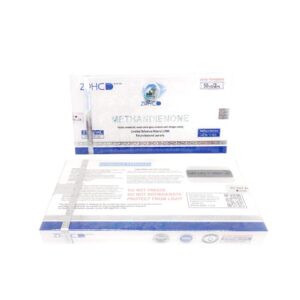
Methandienone Injectable ZPHC — 25 mg/ml (10 ampoules × 2 ml)
Injectable steroids
Injectable steroids
Injectable steroids
Injectable steroids
Injectable steroids
Injectable steroids
Testosterone Undecanoate ZPHC — 250 mg/ml (10 ampoules × 2 ml)
Injectable steroids
Reviews
There are no reviews yet.