

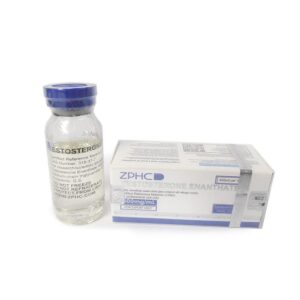


Testosterone Enanthate ZPHC — 400 mg/mL (10 mL)
Testosterone Enanthate: Overview
Testosterone Enanthate is a long-acting testosterone ester used in testosterone replacement therapy when a qualified healthcare professional determines that treatment is medically appropriate. The product described here is identified as Testosterone Enanthate ZPHC — 400 mg/mL (10 mL).
Testosterone is an androgen hormone that plays an important role in numerous physiological processes, including the development and maintenance of male reproductive tissues, muscle and bone biology, and red blood cell production. Testosterone replacement therapy is intended for appropriately evaluated patients with documented testosterone deficiency rather than for general performance enhancement.
For people researching ZPHC, testosterone enanthate, or testosterone replacement therapy in the United States, understanding the medication, its risks, regulatory status, and appropriate medical use is essential.
What Is Testosterone Enanthate?
Testosterone enanthate is an esterified form of testosterone designed to provide prolonged exposure to testosterone after administration. The enanthate ester changes how testosterone is released and metabolized compared with unesterified testosterone.
Prescription testosterone products are used for specific medical conditions associated with deficient or absent endogenous testosterone. FDA prescribing information for testosterone enanthate products states that testosterone replacement should be based on appropriate clinical evaluation and confirmation of an underlying testosterone deficiency.
The concentration stated for this product is 400 mg/mL, with a listed container size of 10 mL. Concentration and container size should not be confused with an appropriate patient dose. Testosterone therapy must be individualized by a licensed healthcare professional.
Testosterone Enanthate and Testosterone Replacement Therapy
Testosterone replacement therapy, commonly abbreviated TRT, may be considered for adult men who have symptoms consistent with testosterone deficiency and appropriately documented low testosterone levels.
Treatment decisions can involve laboratory testing, medical history, physical examination, symptoms, age, existing conditions, medications, and potential contraindications. A healthcare professional may also monitor testosterone concentrations and other laboratory parameters during treatment.
The goal of medically supervised testosterone replacement is to address a diagnosed deficiency—not to encourage unsupervised hormone use or excessive testosterone exposure.
Important Information About ZPHC Testosterone Enanthate
People searching for ZPHC testosterone enanthate, Testosterone Enanthate 400 mg/mL, or related terms should carefully verify the legal status, source, labeling, and medical appropriateness of any testosterone product.
In the United States, testosterone and anabolic steroids are classified as Schedule III controlled substances under federal drug scheduling rules.
That classification is particularly important when evaluating websites advertising testosterone products. Consumers should not assume that an online listing, label, photograph, or claim of authenticity establishes that a product is FDA-approved, legally distributed, or appropriate for personal use.
Potential Benefits in Appropriate Medical Use
When prescribed for an appropriate medical indication, testosterone replacement can help restore testosterone levels toward an appropriate physiological range. Depending on the underlying condition and individual response, treatment may address symptoms associated with testosterone deficiency.
However, testosterone is not appropriate for everyone. FDA labeling includes warnings concerning blood pressure increases, polycythemia, cardiovascular risk, prostate-related considerations, venous thromboembolism, effects on sperm production, edema, sleep apnea, lipid changes, and other potential adverse effects.
Because the potential benefits and risks vary between individuals, treatment should be determined through an appropriate clinician-patient relationship.
Safety Considerations
Testosterone therapy requires more than simply selecting a concentration. Medical evaluation and ongoing monitoring are important components of responsible treatment.
FDA labeling for testosterone enanthate specifically identifies several areas requiring attention. These include blood pressure, hematocrit, prostate-related considerations, cardiovascular risk, testosterone concentrations, and potential effects on spermatogenesis.
Testosterone administration can also suppress natural testosterone production and may affect fertility. Individuals who are planning to have children should discuss fertility considerations with a healthcare professional before beginning therapy.
Self-administering testosterone without medical guidance can make it difficult to recognize excessive exposure, interactions, contraindications, or emerging adverse effects.
Why Product Verification Matters
The online market for hormone and performance-enhancing products can contain products with uncertain provenance. A product’s stated concentration does not independently establish its identity, purity, sterility, potency, or regulatory status.
This is particularly relevant for injectable products. Contamination, incorrect concentration, inappropriate storage, or compromised sterility can create additional risks.
Consumers researching ZPHC should therefore distinguish between general product information and verified regulatory or medical information. Official prescribing information, licensed healthcare professionals, and authoritative regulatory resources are more appropriate sources for medical decisions than promotional claims.
Testosterone Enanthate 400 mg/mL: What the Label Means
A concentration of 400 mg/mL describes the amount of testosterone enanthate represented per milliliter of solution. It does not mean that 400 mg is automatically an appropriate amount for every patient.
Dosage decisions depend on the specific prescription, formulation, medical indication, laboratory results, treatment response, and healthcare professional’s instructions.
Patients should never alter their prescribed testosterone dose based solely on online product descriptions or comparisons between different testosterone products.
Who Should Discuss Testosterone Therapy With a Doctor?
Anyone experiencing symptoms that could be associated with low testosterone should first discuss those symptoms with a qualified healthcare professional.
Symptoms potentially associated with testosterone deficiency can have numerous causes. Proper evaluation helps determine whether testosterone deficiency is actually present and whether testosterone replacement is appropriate.
Medical assessment is particularly important for people with cardiovascular conditions, prostate concerns, fertility goals, sleep apnea risk, elevated hematocrit, or other relevant health considerations.
ZPHC Testosterone Enanthate: Research and Education
For users researching ZPHC, Testosterone Enanthate, or testosterone replacement therapy, the most valuable information includes the active ingredient, concentration, formulation, intended medical use, regulatory status, contraindications, potential adverse effects, and monitoring requirements.
Rather than treating an online product listing as a substitute for medical advice, prospective patients should verify information against authoritative prescribing documentation and consult a licensed healthcare professional.
Testosterone can have meaningful physiological effects, and those effects make responsible evaluation especially important.
Frequently Asked Questions
What is Testosterone Enanthate?
Testosterone enanthate is a long-acting ester of testosterone used in certain testosterone replacement treatments. It is intended for appropriate medical indications and should be used under professional supervision.
What does 400 mg/mL mean?
It identifies the stated concentration of the formulation. It does not establish an individual’s appropriate dose.
Is testosterone a controlled substance in the United States?
Yes. The DEA identifies testosterone and anabolic steroids as Schedule III controlled substances.
Can testosterone affect fertility?
Yes. FDA prescribing information warns that exogenous testosterone can adversely affect spermatogenesis and may result in azoospermia.
Is testosterone appropriate for bodybuilding or performance enhancement?
Prescription testosterone is indicated for specific medical conditions involving testosterone deficiency. Using testosterone outside appropriate medical care can carry significant risks, and testosterone abuse has been associated with serious adverse effects.
Final Considerations
Testosterone Enanthate ZPHC — 400 mg/mL (10 mL) is a product description that should be approached from an informed medical and regulatory perspective. Testosterone is a powerful hormone with legitimate therapeutic applications but also meaningful risks when used inappropriately.
For anyone researching ZPHC, testosterone enanthate, or TRT in the United States, the safest approach is to verify product information through authoritative sources and discuss individual treatment needs with a licensed healthcare professional.
This information is educational and does not constitute medical advice, a prescription, or a recommendation to purchase or use a particular testosterone product.
Be the first to review “Testosterone Enanthate ZPHC — 400 mg/ml (10 ml)”
Related products
Injectable steroids

Injectable steroids

Injectable steroids
Injectable steroids

Injectable steroids
Testosterone Undecanoate ZPHC — 250 mg/ml (10 ampoules × 2 ml)
Injectable steroids
Injectable steroids
Methandienone Injectable ZPHC — 25 mg/ml (10 ampoules × 2 ml)

Injectable steroids
Testosterone Propionate ZPHC — 100 mg/ml (10 ampoules × 2 ml)
Reviews
There are no reviews yet.