

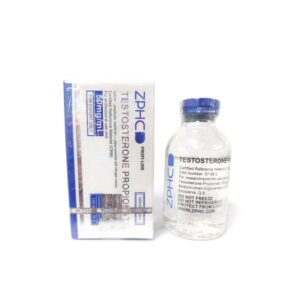
Testosterone Propionate ZPHC — 50 mg/ml (30 ml)
Testosterone propionate is a short-acting ester of testosterone that has been used in medical settings as a form of testosterone replacement therapy. Because testosterone is a biologically active hormone, products containing testosterone should be approached with appropriate medical oversight, particularly when considering dosage, administration, contraindications, and potential adverse effects.
The ZPHC Testosterone Propionate 50 mg/ml (30 ml) designation describes a testosterone propionate formulation with a stated concentration of 50 milligrams per milliliter. The “propionate” component refers to the ester attached to testosterone, which affects how the hormone is released and metabolized in the body.
What Is Testosterone Propionate?
Testosterone propionate is an injectable androgen. Testosterone itself plays important roles in numerous physiological processes, including maintenance of muscle mass, bone health, red blood cell production, libido, and other aspects of reproductive and endocrine function.
The propionate ester is relatively short-acting compared with longer testosterone esters. Consequently, medical formulations containing testosterone propionate may have different administration schedules and pharmacokinetic characteristics from formulations such as testosterone enanthate or testosterone cypionate.
Understanding these differences is important because testosterone preparations are not interchangeable on a milligram-for-milligram basis without appropriate clinical guidance.
Understanding the 50 mg/ml Concentration
A concentration of 50 mg/ml indicates that each milliliter of the formulation contains a stated 50 milligrams of testosterone propionate.
The 30 ml designation refers to the stated volume of the container. Concentration and container volume are useful product-identification details, but they should not be interpreted as instructions for individual dosing.
The appropriate dose of testosterone depends on factors such as the medical indication, laboratory results, age, clinical history, other medications, and response to treatment. A qualified healthcare professional should determine whether testosterone therapy is appropriate and, if so, establish the treatment regimen.
Potential Medical Uses
Prescription testosterone therapy may be used for appropriately diagnosed conditions involving testosterone deficiency. Clinical treatment generally involves evaluation of symptoms alongside laboratory testing rather than relying on symptoms alone.
Depending on the individual situation, healthcare professionals may evaluate testosterone levels and other relevant markers before and during treatment. Monitoring can help identify changes that may require adjustment or discontinuation.
Testosterone should not be viewed simply as a general-purpose performance enhancer. Its use outside appropriate medical supervision can introduce significant risks.
Potential Benefits and Considerations
When medically indicated and appropriately monitored, testosterone replacement may help address certain symptoms associated with testosterone deficiency. Depending on the individual and underlying condition, treatment may affect energy, sexual function, muscle mass, bone health, and other testosterone-dependent physiological processes.
However, results vary substantially between individuals. Testosterone therapy is not appropriate for everyone, and perceived benefits should always be considered alongside potential adverse effects.
A responsible approach emphasizes evidence-based evaluation, professional supervision, laboratory monitoring, and careful consideration of contraindications.
Possible Risks and Side Effects
Testosterone therapy can produce adverse effects. Possible concerns include acne, changes in skin oil production, increased red blood cell count, fluid retention, changes in cholesterol levels, reduced sperm production, testicular changes, and alterations in mood or sleep.
Testosterone can also suppress the body’s natural production of testosterone and sperm. This is particularly relevant for individuals concerned about fertility.
Other risks may depend on the person’s medical history and existing conditions. Testosterone treatment therefore requires individualized medical assessment rather than relying solely on information from an online product description.
Testosterone and Athletic Performance
Testosterone and other anabolic-androgenic steroids are sometimes associated with bodybuilding and athletic performance. However, non-medical use can expose individuals to potentially serious health consequences.
Using testosterone without medical supervision can make it difficult to identify the appropriate dose, monitor hormone levels, recognize adverse reactions, or determine whether symptoms are being caused by the treatment.
Athletes should also be aware that testosterone and related anabolic agents may be prohibited under applicable sporting regulations.
Responsible Product Evaluation
When evaluating any testosterone product, consumers should pay attention to basic product information such as the stated active ingredient, concentration, container volume, labeling, storage requirements, expiration information, and applicable regulatory status.
For prescription medicines, product authenticity and appropriate medical sourcing are especially important. A product’s appearance or online marketing claims should not be treated as proof of quality, purity, sterility, or suitability.
Frequently Asked Questions
What is testosterone propionate?
Testosterone propionate is a testosterone ester designed for injectable administration. The propionate ester influences how testosterone is released and processed by the body.
What does 50 mg/ml mean?
It indicates a stated concentration of 50 milligrams of testosterone propionate per milliliter of formulation. It does not establish an individual’s appropriate dose.
Is testosterone propionate suitable for everyone?
No. Testosterone therapy is not appropriate for everyone. A healthcare professional should evaluate the individual’s medical history, symptoms, laboratory results, and potential contraindications.
Does testosterone propionate affect fertility?
Testosterone administration can suppress natural testosterone production and sperm production. Individuals concerned about fertility should discuss this issue with a qualified healthcare professional before treatment.
Should testosterone be used without medical supervision?
No. Testosterone is a potent hormone and should be used according to appropriate medical guidance, with monitoring when treatment is prescribed.
Final Considerations
Testosterone Propionate ZPHC — 50 mg/ml (30 ml) describes a testosterone propionate formulation identified by its stated concentration and container volume. The most important considerations surrounding testosterone products are accurate labeling, appropriate medical indications, product quality, responsible handling, and professional monitoring.
Because testosterone can produce significant physiological effects, decisions about hormone therapy should be based on qualified medical assessment rather than promotional claims or anecdotal experiences. Anyone considering testosterone treatment should discuss the potential benefits, risks, alternatives, and monitoring requirements with a licensed healthcare professional.
Be the first to review “Testosterone Propionate ZPHC — 50 mg/ml (30 ml)”
Related products
Injectable steroids
Injectable steroids
Injectable steroids
Injectable steroids
Injectable steroids
Injectable steroids
Injectable steroids
Injectable steroids
Reviews
There are no reviews yet.