

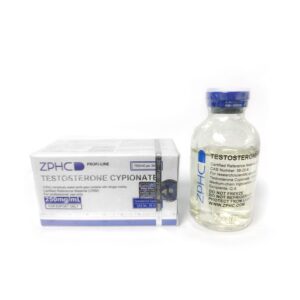

Testosterone Cypionate ZPHC — 250 mg/ml (30 ml)
Testosterone Cypionate is a long-acting injectable form of testosterone used in medical settings for specific conditions involving testosterone deficiency. The product identified as Testosterone Cypionate ZPHC — 250 mg/ml (30 ml) is presented as a concentrated testosterone cypionate formulation. Because testosterone medicines can have significant effects on the cardiovascular, reproductive, hormonal, and psychological systems, they should be used only under appropriate medical supervision.
For people researching ZPHC Testosterone Cypionate, understanding the active ingredient, concentration, potential benefits, limitations, and safety considerations is more important than relying solely on product marketing. Testosterone therapy is not appropriate for everyone, and treatment decisions should be based on documented symptoms, laboratory testing, medical history, and professional evaluation.
What Is Testosterone Cypionate?
Testosterone cypionate is an esterified form of testosterone designed for intramuscular administration. The cypionate ester affects how testosterone is released and metabolized after administration, allowing the medicine to have a longer duration than some shorter-acting testosterone preparations.
Testosterone is an androgen hormone with important roles throughout the body. In males, it contributes to the development and maintenance of reproductive tissues, muscle and bone mass, red blood cell production, libido, and other physiological functions.
When medically indicated, testosterone replacement therapy may be prescribed for individuals with confirmed hypogonadism or another appropriate medical indication. A healthcare professional typically considers both symptoms and laboratory results before treatment.
Understanding the 250 mg/ml Concentration
The stated concentration of this product is 250 mg/ml. Concentration describes the amount of testosterone cypionate contained in each milliliter of solution; it should not automatically be interpreted as an appropriate individual dose.
The correct dose and administration interval depend on the patient’s medical circumstances and the prescribing clinician’s instructions. Factors such as testosterone levels, symptoms, response to therapy, age, existing conditions, and laboratory monitoring may affect treatment decisions.
Users should never alter the amount or frequency of a prescription testosterone medicine based solely on the concentration printed on a vial.
Potential Medical Benefits
When testosterone replacement is medically appropriate, treatment may help address symptoms associated with clinically confirmed testosterone deficiency. Depending on the individual, medically supervised therapy may support:
- Restoration of testosterone concentrations toward an appropriate physiological range
- Improvement of certain symptoms associated with testosterone deficiency
- Maintenance of bone mineral density
- Support for normal muscle mass
- Maintenance of normal red blood cell production
- Support of sexual function and libido in appropriate patients
These potential effects should not be interpreted as a guarantee of results. Testosterone therapy is a medical treatment rather than a general-purpose performance or bodybuilding product.
Important Safety Information
Testosterone is a powerful hormone, and inappropriate use can produce serious adverse effects. Potential risks may include increased hematocrit or red blood cell count, acne, fluid retention, changes in cholesterol levels, gynecomastia, reduced sperm production, testicular shrinkage, and suppression of natural testosterone production.
Some individuals may also experience mood changes or other hormonal effects.
Testosterone can also affect cardiovascular and metabolic risk factors. Anyone considering testosterone therapy should discuss their personal medical history and potential risks with a qualified healthcare professional.
Fertility Considerations
One particularly important consideration is fertility. Exogenous testosterone can suppress the body’s natural production of testosterone and sperm. Individuals who are trying to conceive should discuss this issue with a healthcare professional before beginning testosterone therapy.
Prostate Monitoring
Appropriate patients may require prostate-related evaluation and monitoring during testosterone treatment. A clinician can determine which examinations and laboratory tests are appropriate based on age, medical history, symptoms, and risk factors.
Why Medical Monitoring Matters
Testosterone therapy should not be approached as a simple supplement. Healthcare professionals may monitor testosterone concentrations along with other parameters such as hematocrit and hemoglobin. Additional testing can be appropriate depending on the individual’s age, symptoms, risk factors, and treatment plan.
Regular monitoring helps identify unwanted changes and allows clinicians to determine whether continued therapy is appropriate.
A compelling reason to prioritize professional oversight is that hormonal treatments can produce both intended and unintended physiological changes. Laboratory monitoring provides information that cannot be determined reliably from symptoms alone.
Product Quality and Authenticity
When researching a product labeled ZPHC Testosterone Cypionate, consumers should pay close attention to authenticity, labeling, storage requirements, packaging integrity, and regulatory status.
Products obtained outside regulated pharmaceutical channels may present additional concerns, including uncertain potency, contamination, incorrect labeling, or counterfeit ingredients. The appearance of packaging alone does not establish that a medicine is authentic or suitable for human use.
For prescription medicines, consumers should consult appropriately licensed healthcare professionals and legitimate, regulated pharmaceutical channels.
Testosterone Cypionate vs. Other Testosterone Forms
Testosterone is available in several formulations, including different injectable esters and non-injectable preparations. These formulations differ in pharmacokinetics, administration method, dosing schedules, and clinical considerations.
Testosterone cypionate is specifically designed as a longer-acting injectable preparation. However, longer duration does not mean that it is inherently better than every alternative. The appropriate formulation depends on the patient’s medical needs and the clinician’s treatment plan.
Who Should Discuss Testosterone Therapy With a Doctor?
Anyone experiencing symptoms potentially associated with low testosterone should seek medical evaluation rather than self-diagnosing. Symptoms can have numerous causes, and low testosterone is only one possible explanation.
A healthcare professional may consider symptoms, physical findings, medical history, and laboratory testing before determining whether testosterone treatment is appropriate.
People with cardiovascular conditions, prostate concerns, elevated hematocrit, fertility goals, sleep-related breathing disorders, or other relevant conditions should specifically discuss these factors before considering testosterone therapy.
Frequently Asked Questions
What is ZPHC Testosterone Cypionate?
ZPHC Testosterone Cypionate is a product identified as containing testosterone cypionate. The formulation referenced here is labeled at 250 mg/ml in a 30 ml container. Consumers should independently verify regulatory status, authenticity, and medical suitability.
What does 250 mg/ml mean?
It describes the labeled concentration of testosterone cypionate in each milliliter of solution. It does not establish an individual’s medically appropriate dose.
Is testosterone cypionate a prescription medicine?
Testosterone cypionate is a prescription androgen medication in the United States. Its use should be determined and monitored by a qualified healthcare professional.
Can testosterone cypionate affect fertility?
Yes. Exogenous testosterone can suppress endogenous testosterone production and sperm production. Fertility considerations should therefore be discussed with a healthcare professional before treatment.
Does testosterone therapy require blood tests?
Medical testosterone treatment commonly involves laboratory monitoring. The specific tests and timing depend on the patient’s circumstances and the clinician’s treatment plan.
Final Considerations
Testosterone Cypionate ZPHC — 250 mg/ml (30 ml) represents a concentrated testosterone cypionate formulation that should be evaluated as a medical hormone product rather than an ordinary nutritional supplement. Understanding the formulation, potential therapeutic role, risks, contraindications, and monitoring requirements is essential.
For anyone researching ZPHC, the most valuable step is obtaining accurate product information and discussing testosterone therapy with a qualified medical professional. Appropriate diagnosis and ongoing monitoring can help ensure that treatment decisions are based on individual medical needs rather than marketing claims.
This information is educational and does not replace professional medical advice, diagnosis, or treatment. Prescription testosterone should be used only as directed by a qualified healthcare professional.
Be the first to review “Testosterone Cypionate ZPHC — 250 mg/ml (30 ml)”
Related products
Injectable steroids

Injectable steroids
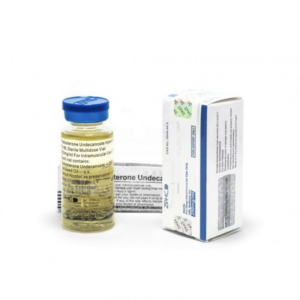
Testosterone Undecanoate ZPHC — 250 mg/ml (10 ampoules × 2 ml)
Injectable steroids
Injectable steroids
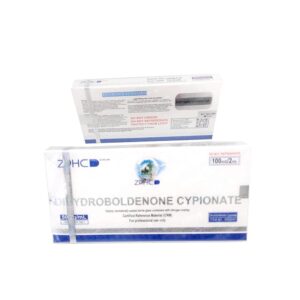
Dihydroboldenone Cypionate ZPHC — 50 mg/ml (10 ampoules × 2 ml)
Injectable steroids
Injectable steroids
Injectable steroids

Injectable steroids
Boldenone Undecylenate ZPHC — 300 mg/ml (10 ampoules × 2 ml)
Reviews
There are no reviews yet.