

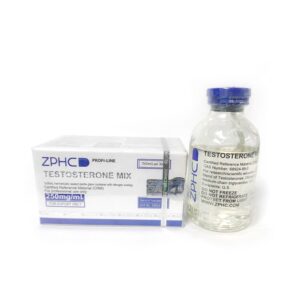
Testosterone Mix ZPHC — 250 mg/ml (30 ml): Product Overview
Testosterone Mix ZPHC — listed as 250 mg/ml in a 30 ml presentation — is a testosterone-based anabolic-androgenic steroid product. Testosterone is a naturally occurring androgen hormone involved in male reproductive development, muscle and bone physiology, red-blood-cell production, and other biological functions.
For consumers researching ZPHC testosterone, understanding what testosterone products are, how medically prescribed testosterone differs from non-prescribed anabolic-steroid use, and what potential risks are involved is more important than relying on marketing claims.
The U.S. Food and Drug Administration (FDA) states that FDA-approved testosterone products are indicated for men with low testosterone associated with an underlying medical condition. Approved testosterone formulations include injections, topical products, patches, buccal systems, and other dosage forms.
What Is Testosterone?
Testosterone is an androgen hormone produced naturally by the body. It contributes to the development and maintenance of male characteristics and has important effects throughout the body.
Synthetic testosterone and testosterone derivatives are also classified as anabolic-androgenic steroids. These substances can have both anabolic effects, involving tissues such as skeletal muscle, and androgenic effects, involving male sexual characteristics. The National Institute on Drug Abuse notes that anabolic-androgenic steroids are sometimes used medically but are also misused for appearance and performance enhancement.
Because testosterone affects multiple physiological systems, using testosterone without appropriate medical supervision can involve meaningful risks.
Understanding the 250 mg/ml Label
The product name identifies a concentration of 250 mg/ml and a stated container volume of 30 ml. Concentration describes how much testosterone-containing material is represented per milliliter according to the product labeling.
However, a product label alone does not establish that an independently sold product contains the stated amount, meets pharmaceutical manufacturing standards, or has been evaluated by the FDA. Consumers should distinguish between a manufacturer’s claims and independently verified regulatory or laboratory information.
This distinction is particularly important when purchasing hormone products through online channels. The FDA has warned that some bodybuilding products marketed with steroid or steroid-like ingredients may contain undeclared or potentially harmful substances.
Potential Effects of Testosterone
Testosterone has legitimate medical applications when prescribed for appropriately diagnosed conditions. Under medical supervision, testosterone replacement therapy may be considered when laboratory findings and clinical symptoms support an appropriate diagnosis.
Testosterone can influence:
- Muscle and lean-tissue development
- Bone physiology
- Red-blood-cell production
- Sexual development and reproductive function
- Secondary male sex characteristics
- Energy and other physiological processes
These biological effects should not be interpreted as a guarantee of improved athletic performance, bodybuilding results, or physical appearance.
NIDA explains that anabolic steroids can promote skeletal-muscle growth and development of male sexual characteristics, which is one reason these substances have been misused for physique and performance purposes.
Important Safety Considerations
Testosterone is a powerful hormone, and unsupervised use can produce significant adverse effects.
FDA labeling for testosterone products discusses potential concerns including increased blood pressure, suppression of sperm production, edema, sleep-apnea effects in susceptible individuals, and gynecomastia. Testosterone abuse, particularly at doses above approved recommendations or alongside other anabolic-androgenic steroids, can also be associated with serious cardiovascular and psychiatric adverse reactions.
Other adverse effects associated with anabolic-steroid misuse can include hormonal suppression, fertility problems, acne, hair loss, changes in cholesterol, mood changes, and cardiovascular complications. NIDA and FDA materials emphasize that non-medical anabolic-steroid use can involve potentially serious health consequences.
Testosterone and Blood Pressure
Blood-pressure considerations are particularly relevant when evaluating testosterone products. FDA reported that ambulatory blood-pressure studies resulted in class-wide labeling changes concerning increased blood pressure with testosterone products.
Anyone considering testosterone therapy should therefore discuss cardiovascular risk factors, existing medical conditions, medications, and monitoring requirements with a qualified healthcare professional.
Testosterone and Fertility
Exogenous testosterone can suppress the body’s natural reproductive hormone signaling. FDA labeling specifically warns that large doses of exogenous androgens may suppress spermatogenesis and negatively affect semen parameters, including sperm count.
This makes fertility an especially important consideration for people considering testosterone treatment.
ZPHC Testosterone Research and Product Information
People searching for ZPHC, ZPHC testosterone, Testosterone Mix ZPHC, or Testosterone Mix 250 mg/ml may encounter product pages describing concentration, container size, formulation, and intended applications.
Such descriptions should be evaluated carefully. A product listing should not automatically be treated as evidence of FDA approval, pharmaceutical equivalence, sterility, potency, or laboratory-tested purity.
For an injectable hormone product, these distinctions matter because contamination, incorrect concentration, counterfeit ingredients, or inappropriate storage can introduce additional risks.
Consumers should look for transparent information about the product’s source and regulatory status rather than relying solely on promotional language.
Responsible Considerations Before Testosterone Use
A healthcare professional can determine whether testosterone treatment is medically appropriate. Evaluation may involve medical history, symptoms, physical examination, and laboratory testing.
FDA states that approved testosterone products are intended for men with low testosterone associated with an associated medical condition.
Self-directed use for bodybuilding or performance enhancement is fundamentally different from medically supervised testosterone replacement therapy.
Anyone already using a testosterone or anabolic-steroid product should discuss its use with a healthcare professional, particularly if they experience concerning symptoms such as chest pain, shortness of breath, severe headaches, significant swelling, unusual mood changes, or other unexpected effects.
Frequently Asked Questions
What is Testosterone Mix ZPHC 250 mg/ml?
It is a product identified in its listing as a testosterone mixture with a stated concentration of 250 mg/ml and a 30 ml presentation. Independent verification would be required to establish its actual composition and quality.
Is testosterone FDA approved?
Certain testosterone medicines are FDA approved for specific medical indications. FDA approval applies to particular products and uses; it should not automatically be extended to every product marketed as testosterone.
Can testosterone be used for bodybuilding?
Testosterone and anabolic steroids can affect muscle tissue, but non-prescribed use for bodybuilding carries health and legal considerations. NIDA identifies appearance and performance enhancement as reasons anabolic steroids are misused.
What are the potential risks?
Potential concerns include blood-pressure changes, suppression of natural testosterone production and sperm production, hormonal effects, cardiovascular complications, edema, and other adverse reactions.
Should testosterone be used without medical supervision?
Medical supervision is important because testosterone affects multiple physiological systems and requires appropriate assessment and monitoring. A healthcare professional can determine whether treatment is appropriate and which FDA-approved formulation is suitable.
Final Thoughts
Testosterone Mix ZPHC — 250 mg/ml (30 ml) is a testosterone-related product that should be evaluated through reliable medical and regulatory information rather than promotional claims alone. Testosterone has legitimate medical applications, but anabolic-androgenic steroid misuse can carry significant risks.
For anyone researching ZPHC testosterone, the most valuable information includes the stated concentration, formulation, regulatory status, source transparency, potential adverse effects, and the distinction between medically prescribed testosterone therapy and non-prescribed anabolic-steroid use.
A responsible approach starts with accurate product information and professional medical guidance. Because the quality and contents of independently marketed hormone products may not be independently established, consumers should exercise particular caution with injectable testosterone products.
Be the first to review “Testosterone Mix ZPHC — 250 mg/ml (30 ml)”
Related products

Injectable steroids

Injectable steroids
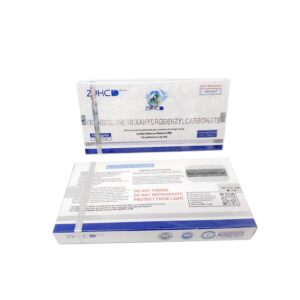
Dihydroboldenone Cypionate ZPHC — 50 mg/ml (10 ampoules × 2 ml)
Injectable steroids
Injectable steroids

Injectable steroids
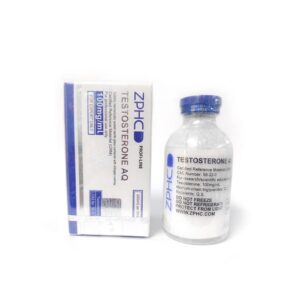
Boldenone Undecylenate ZPHC — 300 mg/ml (10 ampoules × 2 ml)
Injectable steroids

Injectable steroids
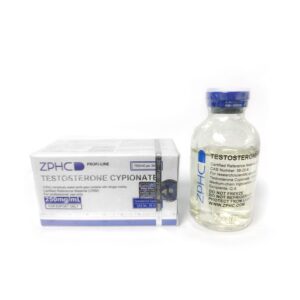
Boldenone Undecylenate ZPHC — 200 mg/ml (10 ampoules × 2 ml)
Injectable steroids
Reviews
There are no reviews yet.