

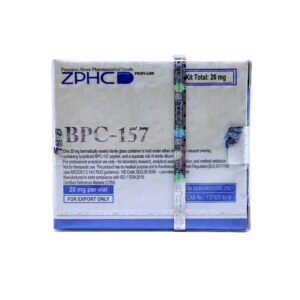
BPC-157 20mg ZPHC – Lyophilized Peptide + Bacteriostatic Water
BPC-157 20mg ZPHC is a research-oriented peptide product presented as a lyophilized preparation accompanied by bacteriostatic water. For researchers searching for information about BPC-157 20mg, ZPHC BPC-157, lyophilized BPC-157, or peptide research materials, this product page provides a clear overview of the stated product format, research considerations, and important regulatory limitations.
BPC-157 is a synthetic peptide that has attracted substantial scientific and online interest. However, interest should not be confused with established clinical evidence. The U.S. Food and Drug Administration (FDA) has stated that there are currently no approved products containing BPC-157-related bulk drug substances and has noted that available safety information is limited.
What Is BPC-157 20mg ZPHC?
BPC-157 20mg ZPHC refers to a 20 mg presentation of BPC-157 supplied in lyophilized form, with bacteriostatic water included as part of the listed product configuration.
Lyophilization, commonly known as freeze-drying, is widely used for certain research peptides because it allows a peptide preparation to be stored in a dry form. The supplied bacteriostatic water is a separate component intended for laboratory preparation according to applicable research protocols.
The product should be evaluated according to its documentation, certificate of analysis, labeling, storage requirements, and intended research purpose. Researchers should not infer clinical effectiveness, safety, purity, or suitability for human administration merely from the product name or format.
BPC-157 Research Background
BPC-157 is a peptide sequence that has been investigated in preclinical scientific literature. Research interest has included areas such as gastrointestinal biology, tissue-related processes, and other biological mechanisms.
Importantly, much of the interest surrounding BPC-157 comes from laboratory and animal research rather than established human clinical evidence. FDA’s review of BPC-157-related substances has specifically noted that the available literature and clinical information are insufficient to establish the safety and effectiveness of the substance for human therapeutic use.
For this reason, responsible product information should avoid presenting BPC-157 as an established treatment, recovery product, or therapeutic alternative.
Lyophilized Peptide Format
The lyophilized BPC-157 format is a dry preparation designed for research handling. Lyophilized materials can be sensitive to environmental conditions, making appropriate storage and handling important considerations for laboratory researchers.
Researchers evaluating a lyophilized peptide should review the manufacturer’s documentation for information such as:
- Stated peptide quantity
- Lot or batch identification
- Certificate of analysis
- Purity information
- Storage recommendations
- Packaging information
- Expiration or retest information
- Laboratory handling requirements
These details can be more useful for research documentation than marketing claims because they allow researchers to evaluate a particular lot and maintain appropriate laboratory records.
Bacteriostatic Water Component
This product is described as including bacteriostatic water alongside the lyophilized peptide. Bacteriostatic water is water containing a preservative and is used in certain laboratory and pharmaceutical contexts.
The presence of bacteriostatic water does not establish that the accompanying BPC-157 product is approved for human administration. Researchers should follow applicable laboratory procedures and the product’s technical documentation when handling any supplied components.
Because the product involves a peptide preparation and a separately supplied liquid component, researchers should carefully distinguish product specifications from instructions for human use.
Important Regulatory Information
BPC-157 occupies an important area of regulatory uncertainty. FDA documentation states that BPC-157 is not currently a component of an approved product in any country and that information concerning its historical use and safety remains limited.
In a 2026 FDA advisory-committee briefing, the agency identified potential concerns involving immunogenicity and peptide-related impurities and noted that it lacked sufficient information to determine whether compounded BPC-157 products could cause harm when administered to humans.
This makes accurate product labeling particularly important. A research listing should not imply FDA approval, therapeutic validation, or established human safety.
The FDA also maintains databases for checking approved drugs and their regulatory histories. The presence of BPC-157 in an FDA substance-identification database does not mean that the substance itself has received FDA approval.
Research-Only Considerations
Researchers considering ZPHC BPC-157 20mg should verify the intended-use statement and all available technical documentation before incorporating the material into laboratory work.
A responsible research product listing should clearly distinguish:
Product identity: BPC-157
Listed quantity: 20mg
Physical form: Lyophilized peptide
Additional component: Bacteriostatic water
Intended context: Laboratory/research evaluation where legally appropriate
These specifications should be confirmed against the actual product documentation and lot-specific records.
Why Documentation Matters
One of the most important considerations when evaluating research peptides is documentation. A product name alone cannot establish identity, purity, sterility, potency, or safety.
Researchers should look for appropriate analytical documentation and evaluate whether the available information adequately supports their intended laboratory application. Particular attention should be given to lot-specific information because peptide characteristics can vary between manufacturing batches.
A transparent approach is especially important with experimental compounds because online descriptions can sometimes make claims that exceed the available scientific evidence.
BPC-157 and Human Use
BPC-157 should not be presented as an FDA-approved medicine or as an established treatment for injuries, gastrointestinal disorders, inflammation, pain, or other medical conditions.
FDA has specifically reported that no approved BPC-157 product exists and that the evidence available for human therapeutic use remains limited.
The distinction between research interest and clinical validation is therefore essential. Scientific investigation can help determine whether a compound has useful biological properties, but laboratory findings do not automatically establish that a substance is safe or effective in humans.
Individuals seeking treatment for a medical condition should consult a qualified healthcare professional rather than relying on experimental peptide products.
BPC-157 and Athletic Research
Researchers and athletes should also be aware of sports-regulation considerations. The World Anti-Doping Agency’s 2026 Prohibited List specifically includes BPC-157 within the prohibited non-approved substances category.
Competitive athletes subject to anti-doping rules should therefore check the current regulations applicable to their sport and governing organization before exposure to experimental substances.
Responsible Product Evaluation
A strong research-oriented product page should prioritize accuracy over exaggerated promises. For BPC-157 20mg ZPHC, that means describing the physical presentation and research context while avoiding unsupported claims about healing, performance, recovery, anti-aging, weight loss, or disease treatment.
Researchers can use the following checklist when evaluating a peptide listing:
- Confirm the exact product identity.
- Verify the stated quantity.
- Review available lot-specific documentation.
- Check purity information where available.
- Review storage requirements.
- Confirm the intended research use.
- Consider applicable federal, state, institutional, and laboratory requirements.
- Avoid assuming that research availability equals regulatory approval.
- Consult qualified professionals when regulatory or safety questions arise.
Conclusion
BPC-157 20mg ZPHC – Lyophilized Peptide + Bacteriostatic Water can be described as a research-oriented peptide preparation consisting of a stated 20 mg quantity of lyophilized BPC-157 together with bacteriostatic water.
Its research profile makes accurate, evidence-conscious product information especially important. BPC-157 remains an experimental substance rather than an FDA-approved therapeutic product, and FDA has identified important gaps concerning safety information and product characterization.
For researchers, the most valuable product information is therefore transparent documentation covering identity, quantity, lot information, analytical specifications, storage, and intended research context. Avoiding unsupported medical claims creates a clearer and more responsible resource for people searching for information about BPC-157 20mg, ZPHC BPC-157, lyophilized BPC-157, and related research terminology.
Research-use disclaimer: This description is provided for informational and SEO purposes. BPC-157 is not an FDA-approved human therapeutic product. Nothing on this page should be interpreted as medical advice, a treatment recommendation, or instructions for human administration.
Be the first to review “BPC-157 20mg ZPHC (Lyophilized Peptide + Bacteriostatic Water)”
Related products
Injectable steroids
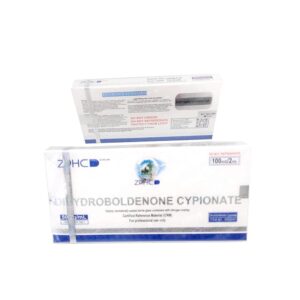
Dihydroboldenone Cypionate ZPHC — 50 mg/ml (10 ampoules × 2 ml)
Injectable steroids
Injectable steroids
Injectable steroids
Injectable steroids
Methandienone Injectable ZPHC — 25 mg/ml (10 ampoules × 2 ml)
Reviews
There are no reviews yet.