

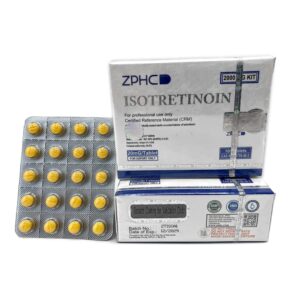
Isotretinoin ZPHC — 20mg × 100 Tablets
Isotretinoin 20mg: Important Product Information
Isotretinoin is an oral retinoid prescription medicine primarily used for the treatment of severe nodular acne that has not responded adequately to other conventional acne treatments. The medication has a powerful effect on acne development, but it also carries significant safety considerations and must be used under appropriate medical supervision.
The listed presentation for Isotretinoin ZPHC — 20mg × 100 tablets contains 20 mg of isotretinoin per tablet, with 100 tablets in the package. Product specifications should always be confirmed against the actual manufacturer’s packaging, labeling, and documentation before use.
In the United States, isotretinoin is not an ordinary over-the-counter acne product. FDA-approved isotretinoin products are subject to the iPLEDGE Risk Evaluation and Mitigation Strategy (REMS) because of the medicine’s serious embryo-fetal toxicity risk. Patients, prescribers, and pharmacies must follow applicable requirements for legally dispensed FDA-approved isotretinoin.
What Is Isotretinoin?
Isotretinoin is a vitamin-A-derived retinoid. FDA information identifies it as a prescription medication approved for patients aged 12 years and older who are not pregnant and who have severe acne, including nodular acne that has not cleared with other treatments.
Unlike many topical acne products, isotretinoin works systemically. Its effects can substantially reduce the processes that contribute to severe acne. Because of its potency and risk profile, treatment requires individualized medical assessment rather than self-directed use.
The term ZPHC in a product listing should not be interpreted as evidence that a product is FDA-approved. Consumers should verify the regulatory status, labeling, source, and dispensing pathway of any isotretinoin product before considering treatment.
Isotretinoin 20mg Product Details
Product: Isotretinoin ZPHC
Strength: 20 mg per tablet
Pack size: 100 tablets
Drug class: Oral retinoid
Primary medical use: Severe acne under medical supervision
Availability: Prescription medicine in the United States
The 20 mg strength is one of several isotretinoin strengths used clinically. The appropriate dose is individualized by a qualified healthcare professional based on factors such as the patient’s condition, treatment response, tolerability, and other relevant clinical considerations.
A package containing 100 tablets should not automatically be interpreted as a recommended treatment course. Treatment duration and daily dosing vary between patients and should be determined by the prescribing clinician.
Potential Benefits of Medically Supervised Isotretinoin Treatment
For appropriately selected patients, isotretinoin can provide a powerful treatment option for severe acne that has not responded sufficiently to other therapies. FDA describes isotretinoin as an approved treatment for severe nodular acne that cannot be cleared by other acne treatments, including antibiotics.
Potential treatment objectives may include:
- Reducing severe inflammatory and nodular acne
- Addressing acne that has not responded adequately to previous therapies
- Reducing the frequency of new severe lesions
- Supporting longer-term acne control following an appropriate treatment course
- Helping address acne associated with significant risk of permanent scarring
These potential benefits need to be balanced against isotretinoin’s substantial risks. A healthcare professional should determine whether the expected benefits are appropriate for an individual patient.
Why Isotretinoin Requires Special Safety Controls
The most important safety issue associated with isotretinoin is its potential to cause severe fetal harm. FDA describes isotretinoin as highly teratogenic and states that it is marketed under the restricted iPLEDGE REMS.
Isotretinoin is contraindicated during pregnancy because exposure can result in severe birth defects, miscarriage, premature birth, or fetal death. The risk can occur even with short-term exposure.
Consequently, people who can become pregnant must follow the applicable pregnancy-prevention and testing requirements associated with the current iPLEDGE REMS. FDA’s 2026 updates modified certain procedures while maintaining the central purpose of preventing fetal exposure.
iPLEDGE REMS and U.S. Isotretinoin
The iPLEDGE REMS is an FDA-required risk-management program for isotretinoin. FDA explains that the system includes FDA-approved isotretinoin products and involves healthcare professionals, pharmacies, and patients.
Patients receiving isotretinoin must meet applicable program requirements, while prescribers and pharmacies must participate in the program to prescribe and dispense covered isotretinoin products.
FDA approved modifications to iPLEDGE in February 2026. Among the changes, prescribers may allow certain pregnancy tests during and after treatment to be completed outside a medical setting, while pre-treatment pregnancy testing continues to require a medical setting.
Because requirements can change, patients should rely on current FDA and iPLEDGE information and instructions from their healthcare professional rather than outdated online product descriptions.
Important Side Effects and Precautions
Isotretinoin can cause significant adverse effects. Patients should review the current prescribing information and Medication Guide with their healthcare professional before treatment.
Possible adverse effects can include pronounced dryness of the lips and skin, irritation, and other systemic effects. More serious problems can also occur. FDA specifically warns about serious risks associated with isotretinoin and recommends close medical supervision.
Patients should promptly discuss concerning symptoms with their healthcare professional rather than attempting to manage potentially serious reactions independently.
Particular caution is necessary regarding pregnancy, drug interactions, existing medical circumstances, laboratory monitoring, and other medications or supplements. The appropriate monitoring schedule should be established by the prescribing clinician.
Who Should Not Self-Start Isotretinoin?
Isotretinoin should not be treated as a routine cosmetic or over-the-counter acne supplement. Purchasing isotretinoin online without appropriate medical oversight can bypass safeguards intended to reduce serious risks.
FDA specifically warns consumers against purchasing isotretinoin over the internet outside appropriate medical and pharmacy procedures.
People who are pregnant or may become pregnant should not use isotretinoin. Anyone considering treatment should first consult a qualified healthcare professional who can determine whether isotretinoin is appropriate and explain applicable safety requirements.
How to Evaluate an Isotretinoin Product Listing
When researching an isotretinoin product online, consumers should look beyond strength and tablet count. Important considerations include:
- Whether the product is an FDA-approved isotretinoin product
- Whether it is being dispensed through an appropriately licensed U.S. pharmacy
- Whether a valid prescription is required
- Whether applicable iPLEDGE requirements are followed
- Whether the packaging and labeling can be verified
- Whether the product’s manufacturer and regulatory information are transparent
- Whether a healthcare professional is supervising treatment
A listing that simply states “20mg × 100 tablets” does not establish regulatory approval, authenticity, quality, or suitability for an individual patient.
Isotretinoin ZPHC: Responsible Product Positioning
For SEO purposes, searches such as “Isotretinoin ZPHC 20mg,” “ZPHC isotretinoin,” “isotretinoin 20mg tablets,” and “isotretinoin acne treatment” may describe what consumers are researching. However, product-page content should distinguish between general product information and verified regulatory or clinical claims.
The ZPHC name should not be presented as proof of FDA approval unless appropriate documentation supports that statement. Likewise, a website should not claim that an online product is an authorized U.S. source without verifiable evidence.
Final Considerations
Isotretinoin remains an important treatment option for appropriately selected patients with severe acne, but its benefits must be weighed carefully against its substantial risks. FDA’s current information emphasizes both its effectiveness for severe acne and the need for strict risk-management measures.
For U.S. patients, the safest path is to discuss isotretinoin with a qualified healthcare professional and obtain an FDA-approved product through an appropriate, licensed pharmacy while following current iPLEDGE requirements.
The 20 mg × 100 tablet presentation describes the quantity and strength of the listed product; it does not establish an appropriate dose or treatment duration. Patients should never change their dose, begin treatment, or purchase prescription isotretinoin based solely on an online product description.
Important: This content is for general informational and SEO purposes and is not medical advice. Always consult a qualified healthcare professional and the current FDA-approved prescribing information before using isotretinoin.
Be the first to review “Isotretinoin ZPHC — (20mg × 100 tablets)”
Related products
Injectable steroids
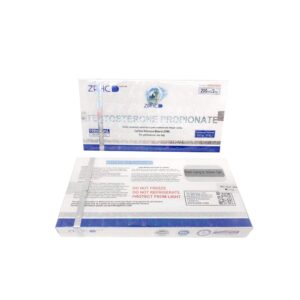
Testosterone Propionate ZPHC — 100 mg/ml (10 ampoules × 2 ml)
Injectable steroids
Injectable steroids
Injectable steroids
Injectable steroids
Methandienone Injectable ZPHC — 25 mg/ml (10 ampoules × 2 ml)
Injectable steroids
Boldenone Undecylenate ZPHC — 200 mg/ml (10 ampoules × 2 ml)
Injectable steroids
Reviews
There are no reviews yet.