

Oxandrolone ZPHC 50 mg — Product Overview
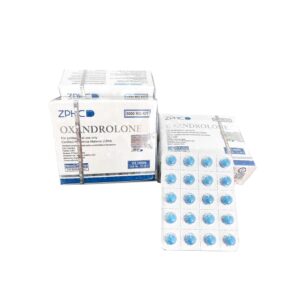
Oxandrolone is an oral anabolic-androgenic steroid with established medical applications. The product described here is Oxandrolone ZPHC — 50 mg, supplied as 100 tablets. Because oxandrolone is a prescription anabolic steroid and a controlled substance in the United States, product information should be evaluated carefully and use should occur only under appropriate medical supervision. FDA labeling identifies oxandrolone as a Schedule III controlled substance.
The name “ZPHC” refers to the product branding specified for this particular listing. The stated presentation is 50 mg and 100 tablets. That packaging information should not be confused with an FDA-approved strength or indication. FDA labeling for approved oxandrolone products has historically described tablet strengths such as 2.5 mg and 10 mg, making verification of the actual product, strength, labeling, and regulatory status especially important.
What Is Oxandrolone?
Oxandrolone is a synthetic anabolic steroid related structurally to testosterone. FDA labeling describes it as an anabolic steroid whose effects include both anabolic and androgenic activity. The distinction between these effects is not complete, meaning oxandrolone can produce androgen-related effects as well as anabolic effects.
Historically, prescription oxandrolone has been used as adjunctive therapy for certain medical conditions involving protein catabolism and for relief of bone pain associated with osteoporosis. FDA documentation also describes its use in situations involving weight loss and other specific medical circumstances depending on the approved product and labeling.
It is therefore important not to describe oxandrolone simply as a general-purpose fitness or bodybuilding product. Its clinical use involves specific medical considerations, contraindications, monitoring requirements, and potential adverse effects.
Oxandrolone ZPHC Product Details
Product: Oxandrolone ZPHC
Stated strength: 50 mg
Stated quantity: 100 tablets
Active ingredient: Oxandrolone
Category: Anabolic-androgenic steroid
Regulatory consideration in the U.S.: Schedule III controlled substance
The stated 50 mg tablet presentation should be independently verified against the product’s packaging, labeling, manufacturer information, and applicable regulatory requirements. Consumers should be particularly cautious with products whose strength or formulation differs from established FDA-approved labeling.
Medical Uses of Oxandrolone
Prescription oxandrolone has documented medical uses. FDA labeling describes oxandrolone as adjunctive therapy intended to offset protein catabolism associated with prolonged corticosteroid administration and for relief of bone pain frequently accompanying osteoporosis.
Medical use is different from nonmedical anabolic-steroid use. The FDA label specifically notes that anabolic steroids have not been demonstrated to enhance athletic ability, so claims suggesting guaranteed athletic or physique-enhancing outcomes should be treated cautiously.
Important Safety Information
Oxandrolone is not a risk-free compound. One of the most important considerations is its potential effect on the liver. FDA labeling contains warnings concerning peliosis hepatis, liver-cell tumors, cholestatic hepatitis, and jaundice associated with androgenic-anabolic steroid therapy. Periodic liver-function testing may be appropriate during medically supervised treatment.
Oxandrolone may also affect cholesterol and other blood lipid parameters. FDA documentation reports that anabolic steroids can increase LDL cholesterol and decrease HDL cholesterol, potentially creating an unfavorable cardiovascular risk profile.
Because of these concerns, responsible product information should emphasize medical supervision rather than presenting oxandrolone as a routine supplement.
Potential Adverse Effects
Potential adverse effects associated with anabolic-androgenic steroid therapy can include hormonal suppression, changes in cholesterol, liver abnormalities, edema, acne, and androgenic effects. FDA labeling also notes that women may experience virilization, including voice changes, increased facial hair, acne, menstrual changes, and clitoral enlargement. Some virilizing changes may become irreversible.
Men may experience suppression of endogenous testosterone production and, at sufficiently high exposure, suppression of spermatogenesis. The FDA label describes inhibition of pituitary gonadotropin function during administration of anabolic androgens.
These risks make accurate labeling and professional oversight especially important.
Drug Interactions and Monitoring
Oxandrolone can interact with other medications. FDA labeling specifically identifies an interaction with warfarin, noting that concurrent administration can produce unexpectedly large increases in INR or prothrombin time.
Patients should disclose all prescription medications, over-the-counter medicines, and supplements to their healthcare professional before using oxandrolone. Medical monitoring may include liver-function testing and other laboratory assessments depending on the patient’s circumstances.
Who Should Avoid Oxandrolone?
FDA labeling identifies several contraindications, including known or suspected prostate cancer, male breast cancer, certain cases of female breast cancer with hypercalcemia, pregnancy, nephrosis, and hypercalcemia.
Pregnancy is a particularly important concern because androgenic exposure can cause fetal harm and masculinization of a female fetus. Oxandrolone should therefore not be treated as an ordinary over-the-counter wellness product.
Understanding the 50 mg / 100-Tablet Presentation
A listing described as Oxandrolone ZPHC 50 mg (100 tablets) indicates a stated package quantity of 100 tablets and a stated strength of 50 mg per tablet. However, the packaging description alone does not establish authenticity, regulatory approval, manufacturing quality, or suitability for a particular individual.
For products marketed online, buyers should verify manufacturer information, labeling, lot information, regulatory status, and legitimate pharmacy or medical channels where applicable. FDA materials warn that controlled substances and anabolic steroids may be encountered in products that are unapproved, misbranded, or adulterated.
Why Accurate Product Information Matters
Accurate information is especially important for anabolic steroids because strength, formulation, authenticity, and regulatory status can have significant safety implications. A powerful-sounding marketing claim should never replace professional medical advice or appropriate product verification.
Rather than relying on claims about guaranteed muscle growth, fat loss, athletic performance, or rapid physical transformation, consumers should examine the documented pharmacology, approved medical uses, contraindications, and potential adverse effects.
Final Product Summary
Oxandrolone ZPHC 50 mg (100 tablets) is a product listing for an oral anabolic-androgenic steroid containing oxandrolone. Oxandrolone has documented medical applications but also carries substantial safety considerations. In the United States, oxandrolone is classified as a Schedule III controlled substance, and FDA labeling includes serious warnings involving liver health, cardiovascular risk factors, hormonal suppression, and other adverse effects.
For that reason, product information should prioritize authenticity, accurate labeling, regulatory compliance, and medically supervised use rather than unsupported performance or bodybuilding claims. This approach provides a more reliable and responsible resource for people researching ZPHC oxandrolone and related terminology.
Be the first to review “Oxandrolone ZPHC — 50 mg (100 tablets)”
Related products
Oral Steroids
Oral Steroids
Oral Steroids
Oral Steroids
Anti-Aging
Oral Steroids
Oral Steroids
Reviews
There are no reviews yet.