

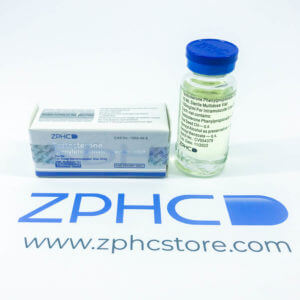
Testosterone Phenylpropionate ZPHC — 100 mg/ml (10 ml)
Testosterone Phenylpropionate is a testosterone ester associated with the broader class of androgenic and anabolic steroids. The ZPHC-labeled product described here is presented as 100 mg/ml in a 10 ml container. This page provides neutral product information for readers researching the compound, its formulation, regulatory status, and potential risks.
Testosterone itself is an essential hormone involved in the development and maintenance of male reproductive and other physiological functions. Testosterone phenylpropionate is a chemically modified ester of testosterone. FDA records identify testosterone phenylpropionate as a distinct chemical substance, but the presence of a substance in an FDA chemical database does not mean that a particular commercial product has been reviewed or approved by the FDA.
What Is Testosterone Phenylpropionate?
Testosterone phenylpropionate is an esterified form of testosterone. Esterification changes characteristics such as the compound’s release profile after administration. It should not, however, be confused with the specific FDA-approved testosterone formulations used in conventional testosterone replacement therapy.
The term ZPHC in a product name identifies the labeling or brand associated with the product being described. It should not by itself be interpreted as evidence of FDA approval, manufacturing quality, sterility, potency, or authenticity.
For consumers researching ZPHC Testosterone Phenylpropionate, understanding the difference between a product’s advertised specifications and verified regulatory status is particularly important.
Product Specifications
Based on the product description supplied for this page:
- Product: Testosterone Phenylpropionate ZPHC
- Listed concentration: 100 mg/ml
- Listed container volume: 10 ml
- Active substance: Testosterone phenylpropionate
- Category: Testosterone/anabolic-androgenic steroid
- Intended context: Medical and pharmaceutical research information
These specifications describe the product listing and should not be treated as independent verification of its contents.
Testosterone and Medical Use
FDA states that approved testosterone products are indicated for men with low testosterone associated with an underlying medical condition. Approved testosterone formulations include certain gels, patches, buccal products, and injections.
This distinction matters when evaluating products marketed online. A testosterone-containing product should not automatically be assumed to have the same safety, quality controls, labeling, or regulatory authorization as an FDA-approved medicine.
In April 2026, FDA continued to discuss testosterone replacement therapy within the context of specific medical conditions and emerging evidence.
Understanding the 100 mg/ml Specification
A concentration of 100 mg/ml indicates the amount of labeled active ingredient per milliliter. With a stated 10 ml volume, the arithmetic product of those two figures is 1,000 mg of labeled compound across the container.
That calculation should not be interpreted as a recommended dose or instruction for administration. Appropriate testosterone treatment depends on the individual, diagnosis, laboratory findings, formulation, and clinical supervision.
Self-directed use of anabolic-androgenic steroids can create substantial risks, particularly when products are obtained from sources that have not undergone appropriate regulatory quality controls.
Important Safety Considerations
Testosterone and anabolic steroids require careful consideration because androgenic hormones can affect multiple body systems. FDA has reported that testosterone products can increase blood pressure, prompting class-wide labeling changes.
Other concerns associated with anabolic steroid misuse can include hormonal suppression, reproductive effects, changes in cholesterol, mood-related effects, and cardiovascular complications. FDA has also warned about bodybuilding products containing steroid or steroid-like substances and reports of serious adverse effects.
The risk profile can become especially difficult to assess when an online product has uncertain manufacturing conditions, uncertain concentration, inadequate labeling, or no independently verified quality documentation.
Why Product Verification Matters
Online steroid listings can make strong claims about purity, potency, or performance. Those claims should be distinguished from independently established facts.
The FDA specifically warns that some bodybuilding products marketed online may contain undeclared or potentially dangerous ingredients. The agency recommends discussing bodybuilding products containing steroids or steroid-like substances with a healthcare professional.
Consequently, buyers researching ZPHC Testosterone Phenylpropionate should pay attention to:
- Regulatory status
- Manufacturer documentation
- Authenticity and traceability
- Ingredient labeling
- Manufacturing standards
- Independent laboratory evidence where available
- Legal requirements applicable to their location
- Medical supervision where testosterone treatment is clinically indicated
Testosterone Phenylpropionate vs. Testosterone Replacement Therapy
An important SEO and consumer-information distinction is that a product containing testosterone is not necessarily an FDA-approved testosterone replacement therapy product.
FDA-approved testosterone treatment is prescribed for appropriately diagnosed medical conditions. The specific product, formulation, dosage, monitoring schedule, and treatment objectives are determined clinically.
Therefore, terms such as testosterone replacement therapy, TRT, testosterone injection, and testosterone phenylpropionate should not automatically be treated as interchangeable search terms.
U.S. Regulatory Considerations
U.S. readers should be particularly cautious when researching testosterone and anabolic steroids online. FDA-approved testosterone products have specific labeling and indications, while products sold outside those regulatory pathways may not have undergone the same evaluation.
Federal law also treats testosterone as a controlled substance. FDA-approved testosterone labeling identifies testosterone as a Schedule III controlled substance under the Controlled Substances Act.
The DEA likewise identifies anabolic steroids as substances encountered in U.S. drug enforcement and describes testosterone among commonly encountered anabolic steroids.
Because laws can apply differently depending on possession, prescribing, dispensing, importing, and distribution, U.S. consumers should verify current federal and state requirements rather than assuming that an online listing is legally authorized.
Frequently Asked Questions
What is Testosterone Phenylpropionate?
Testosterone phenylpropionate is an esterified form of testosterone. It belongs to the androgenic/anabolic steroid category and should be distinguished from specific FDA-approved testosterone products.
What does 100 mg/ml mean?
It indicates that the listed concentration is 100 milligrams of the named compound per milliliter. It does not establish an appropriate therapeutic dose.
Is ZPHC Testosterone Phenylpropionate FDA approved?
A product label or brand name alone does not establish FDA approval. Readers should verify approval through authoritative FDA drug information rather than relying solely on an online seller’s claims.
Is Testosterone Phenylpropionate safe to use without medical supervision?
Self-directed use can involve significant risks. FDA recommends consultation with a healthcare professional regarding bodybuilding products containing steroids or steroid-like substances.
Why is testosterone regulated in the United States?
Testosterone is a controlled substance because of concerns surrounding abuse, dependence, and associated risks. FDA-approved testosterone labeling identifies it as Schedule III.
Final Considerations
For people researching ZPHC Testosterone Phenylpropionate 100 mg/ml (10 ml), the most important considerations are accurate labeling, regulatory status, product authenticity, and medical safety. A compelling product listing should not substitute marketing claims for independently verifiable information.
Anyone considering testosterone treatment should discuss the decision with a qualified healthcare professional and use only products and formulations that are legally prescribed and appropriately regulated for their intended use.
Important: This information is educational and does not provide a dosing protocol, purchasing recommendation, or endorsement of a particular seller.
Be the first to review “Testosterone Phenylpropionate ZPHC — 100 mg/ml (10 ml)”
Related products
Injectable steroids
Injectable steroids
Injectable steroids
Injectable steroids
Boldenone Undecylenate ZPHC — 300 mg/ml (10 ampoules × 2 ml)
Injectable steroids
Injectable steroids
Injectable steroids
Injectable steroids
Dihydroboldenone Cypionate ZPHC — 50 mg/ml (10 ampoules × 2 ml)
Reviews
There are no reviews yet.